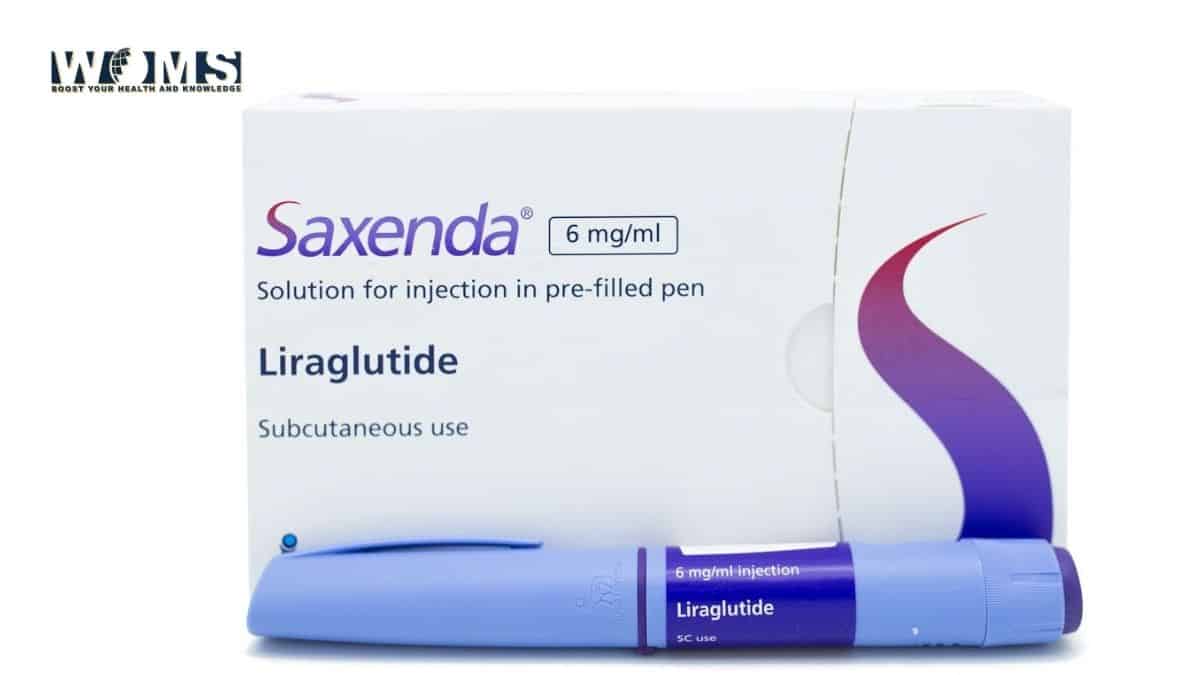
Liraglutide, the active ingredient in Saxenda, is clinically intended to be used as a complement to a reduced-calorie diet and increased physical activity. Research, including studies published in the New England Journal of Medicine, demonstrates that 3.0 mg of liraglutide is associated with significant body-weight reduction and improved metabolic control when used as an adjunct to lifestyle interventions.
Managing obesity is increasingly recognized by the medical community as a complex challenge involving genetics, hormones, and metabolism rather than a simple matter of willpower. As healthcare providers move toward treating obesity as a chronic disease, medications like Saxenda are being utilized to help patients achieve and maintain weight loss. However, the effectiveness of these treatments is heavily tied to how they are integrated into a broader health regimen.
How does Saxenda work alongside diet and exercise?
Saxenda isn’t designed to be a standalone solution. Instead, it functions as an adjunct therapy. This means the medication is meant to support the physiological changes required for weight management, such as appetite regulation and metabolic shifts, while the patient maintains a structured lifestyle change. According to prescribing information, the medication is used specifically in conjunction with a reduced-calorie diet and increased physical activity.
When a patient combines liraglutide with physical movement and nutritional changes, the medication can help address the biological hurdles that often make weight loss difficult. These hurdles include the body’s natural tendency to resist weight loss by altering hunger hormones and metabolic rates. By using the medication to help manage these biological signals, patients may find it easier to adhere to the dietary and exercise goals necessary for long-term success.
What does the clinical evidence show about liraglutide?
The efficacy of liraglutide has been documented in several high-level clinical trials. One notable study published in the New England Journal of Medicine focused on the use of 3.0 mg of liraglutide as an adjunct to diet and exercise. The research found that this combination was effective in reducing body weight and improving key metabolic markers in participants.

This clinical success has placed liraglutide within a broader class of medications known as GLP-1 (glucagon-like peptide-1) receptor agonists. While Saxenda is a once-daily injection, other medications in this class, such as semaglutide, are administered on a weekly basis. The shared mechanism of these drugs involves mimicking hormones that target areas of the brain that regulate appetite and food intake, which helps to reduce hunger and slow gastric emptying.
It’s important to distinguish between the different applications of these drugs. While some GLP-1 medications are used primarily for type 2 diabetes management, Saxenda is specifically indicated for weight management in:
- Adults with obesity.
- Adults with overweight (excess weight) who have weight-related medical problems.
- Children aged 12 to 17 with obesity.
Why is obesity management shifting toward GLP-1 therapies?
The medical landscape is shifting because traditional weight loss methods often fail to address the underlying hormonal drivers of obesity. As obesity rates have risen globally, researchers have turned to therapies that target the metabolic roots of the condition. The success of GLP-1 drugs has been a major driver in this shift, with many of these treatments showing the ability to facilitate significant body-weight reduction.

This shift is also driven by the understanding that obesity is a chronic condition. Because the body often attempts to “hold on” to excess weight through metabolic adaptations, long-term management is required. GLP-1 therapies provide a pharmacological way to manage these biological responses, making them a cornerstone of modern obesity care alongside traditional lifestyle modifications.
What should patients do about medication shortages?
Despite the clinical benefits, many patients have faced difficulties in accessing these treatments. Novo Nordisk, the manufacturer of Saxenda, has acknowledged that significant demand for weight-management medicines has impacted the availability of their obesity medications, including Saxenda. This has resulted in disruptions for some patients attempting to fill their prescriptions.

If you are experiencing difficulty obtaining Saxenda, medical experts recommend the following steps:
- Consult your healthcare provider: Discuss the shortage with your doctor to explore alternative treatment options or adjustments to your existing care plan.
- Verify coverage: Check with your insurance provider to understand your specific benefits and co-pay requirements for weight-management medications.
- Stay informed: Use official manufacturer hotlines or patient resources to stay updated on supply availability.
While shortages can be frustrating, it is essential to work closely with a medical professional to ensure that any changes to your treatment plan are managed safely and effectively.
Frequently Asked Questions
Is Saxenda a substitute for diet and exercise?
No. Saxenda is intended to be used as an adjunct to a reduced-calorie diet and increased physical activity. The medication is designed to support these lifestyle changes, not replace them.
What are the primary uses for Saxenda?
Saxenda is used for adults with obesity or overweight with weight-related medical problems, and for certain children aged 12–17 with obesity.
Why is there a shortage of Saxenda?
High demand for GLP-1 weight-management medications has impacted the availability of several products in this category, according to manufacturer statements.
How often is Saxenda administered?
Saxenda is an injectable medicine that is typically administered once daily.
The next major updates regarding weight-management drug availability and clinical trial results are expected following upcoming regulatory reviews and manufacturer quarterly reports. We encourage you to share this article with anyone navigating weight management and to leave your questions or experiences in the comments below.
Worth a look