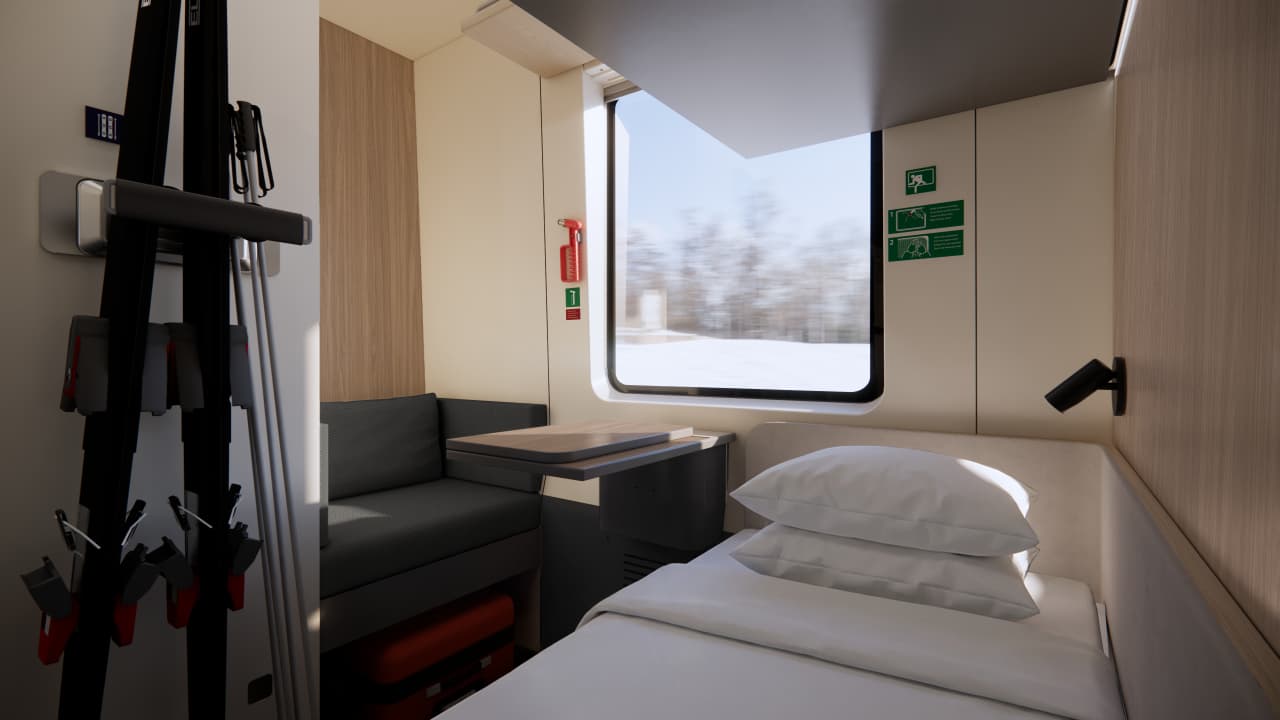
Sweden has moved to modernize its rail infrastructure by commissioning new night trains specifically engineered to operate in extreme sub-zero conditions. These specialized carriages are designed to maintain full functionality even when temperatures drop to -40 degrees Celsius, ensuring reliable transport links well beyond the Arctic Circle. This technical advancement represents a significant investment in the country’s Nordic transit connectivity, prioritizing durability in one of Europe’s most challenging climates.
The initiative reflects Sweden’s broader commitment to maintaining an efficient, sustainable transport network across its varied geography. As a nation spanning over 450,000 square kilometers, Sweden relies heavily on its rail systems to connect the capital, Stockholm, with its vast northern territories, where winter temperatures frequently test the limits of standard mechanical equipment. By integrating rolling stock capable of withstanding such extreme cold, the national rail strategy aims to minimize service disruptions during the harsh winter months.
Engineering for the Arctic Climate
Operating rail services in the far north requires specialized engineering to prevent mechanical failure, frozen switching systems, and cabin discomfort. The move to procure these specific trains follows a period of focus on “innovation in the Nordic region,” where transport authorities are increasingly seeking solutions that merge efficiency with climate resilience. According to official government data, the Swedish rail network serves a population of approximately 10.6 million, necessitating a system that remains operational despite the significant geographical challenges of the Scandinavian Peninsula.
The technical requirements for these trains involve advanced insulation, heated bogies, and reinforced components that prevent the brittleness often associated with extreme cold. This focus on “world-first” or highly specialized engineering aligns with Sweden’s established history of industrial innovation, ranging from sustainable transit solutions to digital infrastructure. These investments are part of the state’s long-term plan to ensure that connectivity is not compromised by the regional climate, which is a core component of the country’s economic and social integration policies.
Infrastructure and Economic Context
Sweden’s economy, which features a nominal GDP estimated at over $760 billion for 2026, continues to prioritize infrastructure projects that support both internal mobility and environmental goals. The decision to invest in high-performance night trains is consistent with a national emphasis on sustainable travel, as the country seeks to reduce reliance on short-haul aviation in favor of rail. With a Gini coefficient of 27.6, the state maintains a focus on equitable access to services, ensuring that citizens in northern, less densely populated regions have the same standard of transport as those in the urban south.
The governance of these projects is managed through the Swedish parliamentary system, where transport policy is subject to strict regulatory standards. As a member of the European Union, Sweden must also align its rail specifications with broader regional interoperability requirements, ensuring that these new, cold-weather-capable trains can function within the standardized European rail framework while meeting the unique demands of the Arctic. The “riksdag,” or parliament, continues to oversee these allocations as part of the national budget, ensuring that the transition to more resilient rail stock remains a funded priority.
What Happens Next
Following the commissioning of these trains, the next phase involves rigorous testing protocols to certify the rolling stock for passenger service in the Arctic environment. These trials are expected to take place in the northernmost regions of the country, where temperatures can consistently hit the -40 degree threshold. Prospective passengers and industry observers can monitor the progress of these deployments through official updates from the Swedish transport administration, which provides periodic reports on infrastructure upgrades and fleet modernization.

As these trains are integrated into the existing network, they are expected to improve the reliability of the night train routes connecting Stockholm to northern hubs. Further information regarding the rollout schedule and specific route adjustments will be released through official government portals as the testing milestones are reached. We encourage our readers to share their thoughts on the future of Arctic rail travel in the comments section below.