Chernobyl Exclusion Zone 40 Years After Nuclear Disaster: What the Images Show
Four decades after the Chernobyl nuclear accident, the exclusion zone remains a powerful reminder of the disaster’s lasting impact. Recent images released by BBC Mundo reveal how nature has reclaimed parts of the abandoned city of Pripyat and surrounding areas, while radiation levels continue to restrict long-term human habitation. The photographs, taken in April 2026 to mark the 40th anniversary, show overgrown streets, decaying buildings, and wildlife thriving in the absence of people.
The Chernobyl disaster occurred on April 26, 1986, when a safety test gone wrong at the Chernobyl Nuclear Power Plant in northern Ukraine triggered a catastrophic explosion and fire. The event released massive amounts of radioactive material into the atmosphere, contaminating large parts of Europe and becoming the worst nuclear accident in history. According to a United Nations consensus cited in multiple verified reports, approximately 4,000 people died directly or indirectly from radiation exposure, though debates continue over additional long-term health effects such as cancer.
In response to the contamination, Soviet authorities established a 30-kilometer exclusion zone around the plant, evacuating over 100,000 residents from Pripyat and nearby communities. Homes, schools, hospitals, and industrial facilities were left abandoned, frozen in time as a testament to the sudden disruption of life. Today, while certain areas near the zone’s periphery allow short-term guided tours, the core zone remains largely off-limits due to persistent radiation hazards.
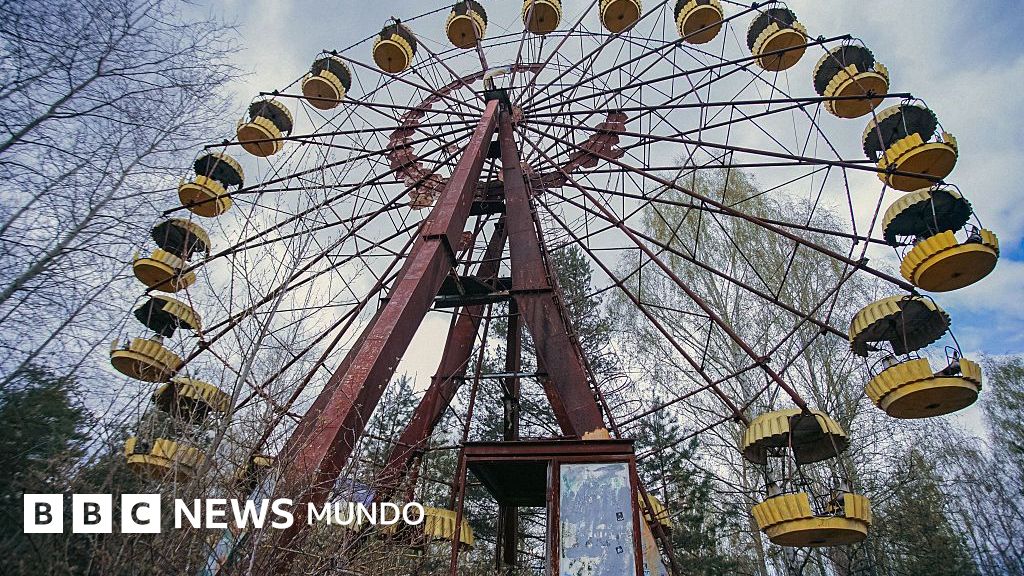
The images shared by BBC Mundo, sourced from Getty Images, illustrate this duality of decay and renewal. One photo shows the iconic Ferris wheel in Pripyat’s amusement park, now surrounded by trees growing through cracked concrete. Another captures a classroom where desks are overturned and books lie scattered, slowly being reclaimed by moss and vines. A third image features a fox walking calmly past a abandoned apartment block, symbolizing the return of wildlife to the area.
Scientific monitoring confirms that while some isotopes have decayed significantly, others like cesium-137 and strontium-90 remain present in soil and vegetation, posing risks for prolonged exposure. Authorities emphasize that although short visits are considered safe with proper precautions, living in the exclusion zone permanently is not feasible for hundreds of years. This timeline reflects the long half-lives of the primary radioactive contaminants released during the disaster.
Despite the dangers, the zone has become an unintended sanctuary for biodiversity. Studies conducted over the past decade have documented increasing populations of wolves, bears, lynx, Przewalski’s horses, and numerous bird species. These findings suggest that in the absence of human activity, ecosystems can demonstrate remarkable resilience, even in contaminated environments.
The 40th anniversary has prompted renewed international reflection on nuclear safety, transparency in energy policy, and the long-term stewardship of contaminated sites. While no major policy changes have been announced specifically tied to the anniversary, ongoing discussions continue within international atomic energy forums about improving emergency response protocols and strengthening global nuclear safety standards.
As the world marks this solemn milestone, the images from Chernobyl serve not only as a historical record but also as a visual lesson about the consequences of technological failure and the enduring power of nature to adapt—and endure.
For updates on nuclear safety developments and international cooperation on radioactive site management, readers can follow official communications from the International Atomic Energy Agency (IAEA).
We invite you to share your thoughts on this story in the comments below and help spread awareness by sharing this article with others.