
Research into healthy aging consistently points to the significant impact of physical activity on cognitive function. Recent observations suggest that daily movement—specifically reaching a target of approximately 4,000 steps—may play a role in slowing the decline of memory and other cognitive responses. As a physician, I often emphasize that small, sustainable changes in lifestyle are frequently the most effective interventions for long-term brain health.
The relationship between cardiovascular health and cognitive longevity is well-documented in medical literature. Physical activity, such as walking, facilitates blood flow to the brain, which is essential for maintaining neural plasticity and cognitive sharpness. By integrating consistent, low-impact exercise into a daily routine, individuals may help preserve cognitive reserve, potentially mitigating the natural progression of age-related cognitive decline.
The Science of Movement and Cognitive Health
Walking is one of the most accessible forms of exercise, requiring no specialized equipment and offering significant physiological benefits. When we move, our bodies release neurotrophic factors, such as Brain-Derived Neurotrophic Factor (BDNF), which support the survival of existing neurons and encourage the growth of new synapses. According to the National Institute on Aging, regular physical activity is a cornerstone for maintaining physical and mental health as we age.
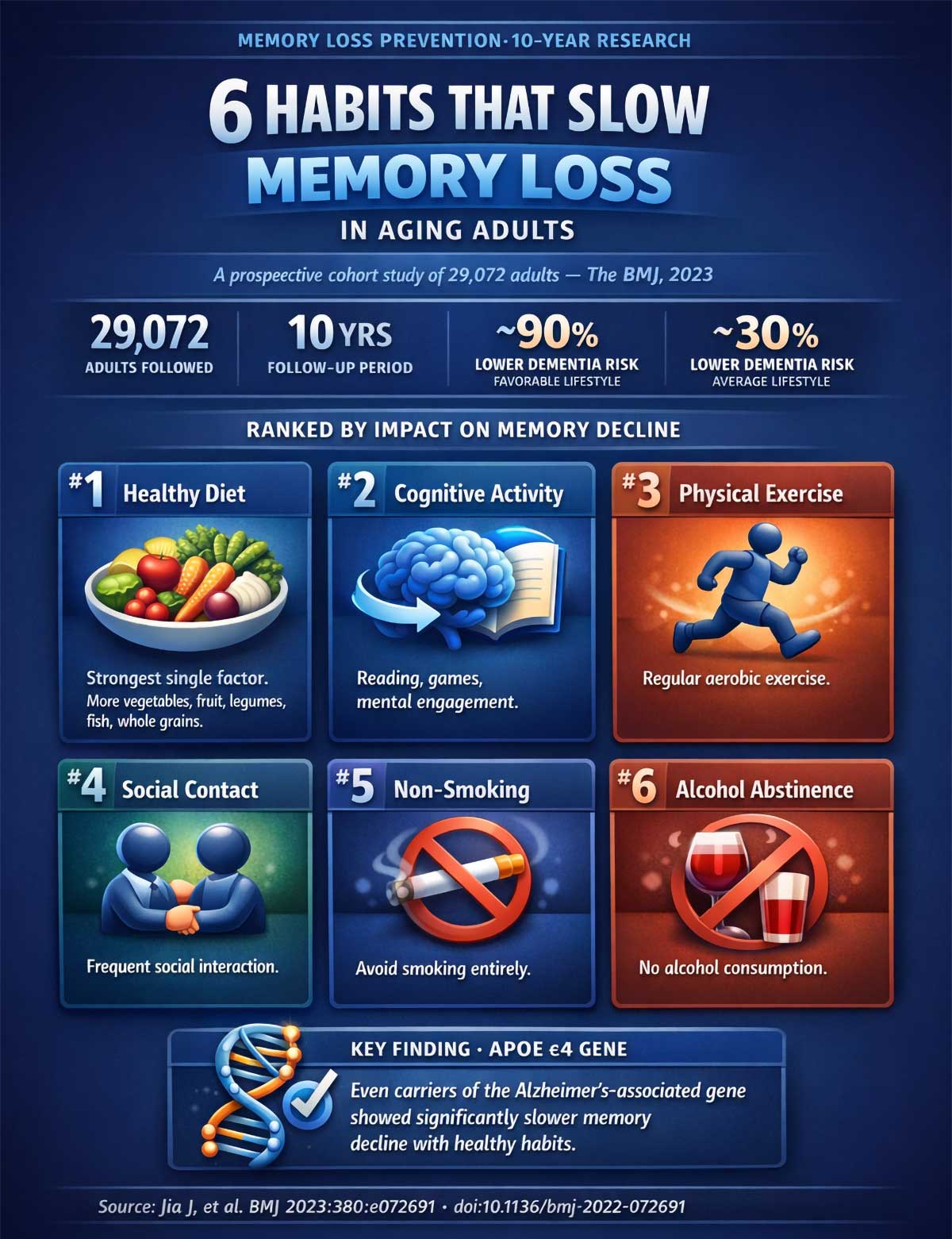
The recommendation of 4,000 steps serves as a practical, achievable milestone for many individuals, particularly those who may be intimidated by more rigorous exercise regimens. Consistency is more important than intensity when it comes to long-term neuroprotection. By keeping the heart rate elevated through consistent, daily walking, individuals can improve metabolic health, which in turn reduces systemic inflammation—a known contributor to cognitive impairment.
Establishing Sustainable Habits for Longevity
Incorporating movement into a busy schedule does not necessarily require dedicated gym time. Simple habit-stacking, such as taking a brisk walk during a lunch break or choosing the stairs, can quickly accumulate toward a daily step goal. The goal is to avoid prolonged periods of sedentary behavior, which have been linked to increased risks of chronic conditions like hypertension and type 2 diabetes—both of which are significant risk factors for cognitive decline, as noted by the Centers for Disease Control and Prevention.
It is important to view these lifestyle adjustments as part of a holistic approach to health. While physical activity is vital, it is most effective when paired with a balanced diet, adequate sleep, and mental stimulation. Engaging in social activities and learning new skills can further bolster cognitive resilience, creating a multifaceted defense against the cognitive challenges that can accompany the aging process.
Addressing Potential Barriers
For those beginning their journey toward a more active lifestyle, starting slowly is essential to avoid injury and ensure long-term adherence. It is advisable to consult with a primary care provider before initiating a new exercise program, especially if there are pre-existing health conditions or mobility concerns. A physician can help tailor an activity plan that is safe and effective, ensuring that the transition to a more active lifestyle is sustainable.
Tracking progress can also provide motivation. Whether using a pedometer or a smartphone app, monitoring daily activity levels can help individuals stay accountable to their goals. However, the focus should remain on the long-term benefits of movement rather than the perfection of the data. Every step taken is a meaningful contribution to your overall well-being and long-term cognitive health.
For those looking for further guidance on maintaining brain health, the Alzheimer’s Association provides resources on current research regarding lifestyle interventions and risk reduction. As we continue to learn more about the brain’s ability to adapt and change throughout life, prioritizing movement remains one of the most effective strategies we have to support our cognitive future. Please feel free to share your own experiences with incorporating movement into your routine in the comments section below.
Related reading
- mon accouchement s’est très bien passé et non je n’étais pas stressée mais les hormones …
- Morning Headlines 7/24/26
- Southern California Caretaker Arrested for Alleged Sexual Assault of Patient with Cognitive Disabilities (archynewsy.com)
- Living With Early-Onset Dementia: Beyond Memory Loss (newsdirectory3.com)