
The release of ICEMAN, the latest project from Canadian rapper and singer Aubrey Drake Graham, has reignited long-standing conversations regarding the artist’s thematic evolution. Known professionally as Drake, the Grammy-winning performer has consistently occupied a central position in global hip-hop and R&B, maintaining a career that spans over two decades since his initial rise to prominence as an actor on the CTV series Degrassi: The Next Generation. However, as of May 2026, critics are once again scrutinizing whether his prolific output—now characterized by a sprawling catalog of releases—has begun to lean too heavily on the grievances of the past rather than forging new artistic ground.
For many listeners, the arrival of ICEMAN serves as a marker of the artist’s continued output following a highly publicized period of industry friction in 2024. While Drake remains one of the most commercially successful figures in modern music history, having secured his place in the record books with chart-topping albums like Views—which held the top spot on the Billboard 200 for 13 weeks—the critical reception to his recent work suggests a growing divide between his streaming dominance and his lyrical progression. The discourse surrounding his latest project indicates that, for some, the “Toronto Batman” persona has become a source of diminishing returns.
The Evolution of a Chart-Topping Catalog
To understand the current sentiment surrounding Drake’s work, one must look at the trajectory of his career. Born in Toronto in 1986, Drake transitioned from television to music with a series of mixtapes—Room for Improvement (2006), Comeback Season (2007) and So Far Gone (2009)—that effectively bridged the gap between traditional hip-hop and R&B sensibilities. His signing with Young Money Entertainment solidified his status, and his debut studio album, Thank Me Later (2010), marked the beginning of a decade-long run of commercial hits including “Best I Ever Had” and the record-breaking “One Dance.”
However, the transition from being a rising star to an industry veteran has brought unique challenges. Throughout his career, Drake has been recognized for his ability to craft songs that resonate across multiple demographics, yet his recent reliance on themes of status, wealth, and interpersonal conflict has drawn criticism from those who feel he has remained in a creative rut. According to industry observers, the expectation for growth is high for an artist who has been described by various journalists as one of the greatest rappers of all time, yet ICEMAN appears to be perceived by some critics as an exercise in obligation rather than innovation.
Analyzing the Current Cultural Landscape
The reception of ICEMAN highlights a broader trend in how the public consumes music in the age of algorithmic streaming and social media commentary. In an environment where “rap media pages,” streamers, and online consensus often dictate the success of a project, the nuance of an artist’s lyrics can sometimes be overshadowed by the surrounding noise of “subtweets” and “sneak disses.” For an artist like Drake, who has mastered the art of the pop-rap crossover, the challenge lies in balancing his massive commercial appeal with the need for authentic storytelling.
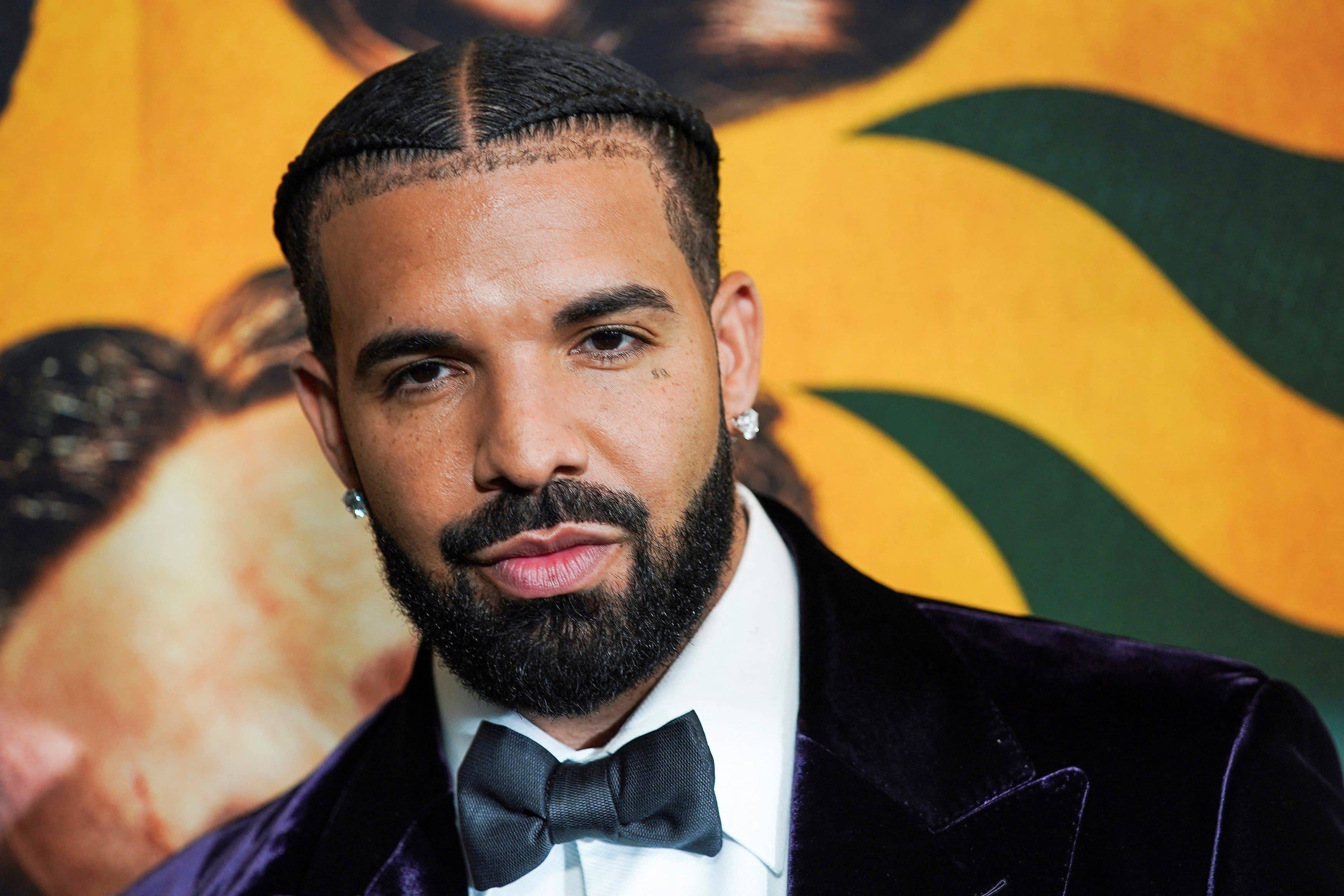
Critics have noted that the artist’s insistence on maintaining his relevance within a genre he has helped shape can sometimes feel at odds with his current station in life. As he enters his late thirties, the themes that once defined his early work—the hunger of the underdog, the search for validation—may no longer resonate with the same intensity. This creates a tension between the “Old Drake” that long-time fans crave and the current reality of an artist who has achieved nearly every accolade available in the music industry.
What Happens Next for the Artist?
As of May 24, 2026, there have been no official announcements regarding the next phase of Drake’s touring schedule or future album cycles. The artist, who maintains his primary label affiliation through OVO Sound and distribution via Republic Records, remains a fixture in the entertainment news cycle. While the critical reception to ICEMAN remains mixed, the sheer volume of his output ensures that the conversation surrounding his legacy will continue.
Moving forward, the focus will likely shift toward how the artist addresses these criticisms in his public appearances or future collaborations. For fans and critics alike, the question remains whether the rapper will pivot toward a new sound or continue to refine the formula that has kept him at the top of the charts for the better part of two decades. We will continue to track updates from his camp and monitor any official statements regarding upcoming projects or performances.
What are your thoughts on Drake’s latest musical direction? Join the conversation in the comments section below and share your take on the evolution of his sound.