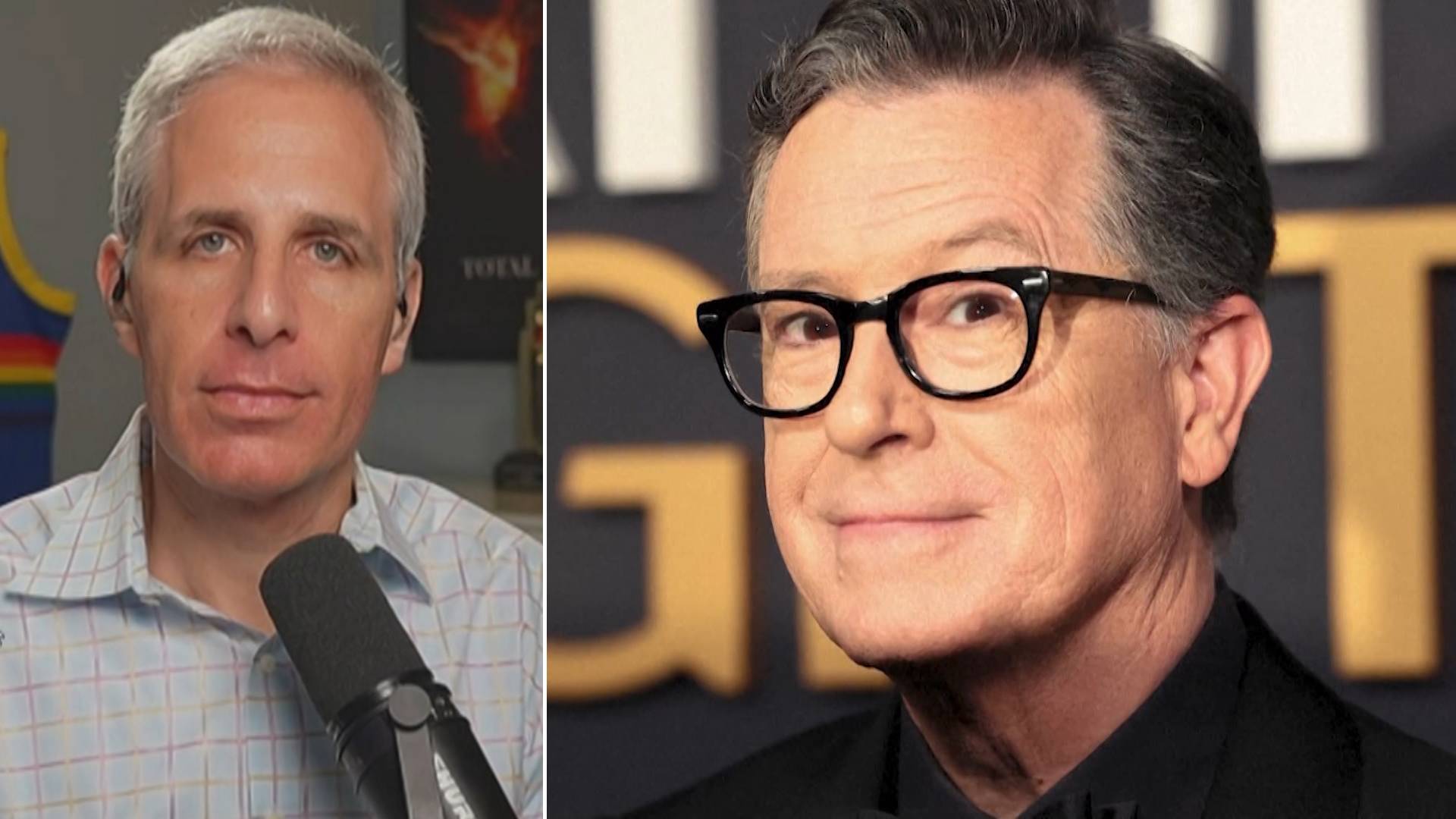
The landscape of American media is facing a period of profound volatility as the intersection of massive corporate consolidation and federal regulatory power creates a new, high-stakes environment for broadcasters. At the center of this storm is the evolving relationship between Paramount Global and Skydance Media, a deal that has become a lightning rod for debates regarding media independence and the potential for political influence to shape the future of the airwaves.
The industry is currently grappling with various reports concerning the stability of long-standing media institutions. Among the most significant are the swirling allegations regarding the future of The Late Show and its host, Stephen Colbert. While the specifics of Colbert’s status at CBS remain a subject of intense industry speculation, the timing of these reports has coincided with a critical juncture in Paramount’s corporate strategy—specifically its pursuit of regulatory approval for a transformative merger.
For media analysts and stakeholders, the situation transcends the departure of a single high-profile personality. It touches upon a deeper, more systemic concern: whether the power to approve or block multi-billion-dollar mergers is being utilized as a tool of political leverage. As major media entities seek to consolidate in order to survive the “streaming wars,” they find themselves increasingly dependent on the temperament of federal regulators.
The Paramount-Skydance Merger and Regulatory Scrutiny
The proposed merger between Paramount Global and Skydance Media represents one of the most significant shifts in the media sector in recent years. For Paramount, the deal is seen as a vital pathway to scaling its content library and strengthening its position in a hyper-competitive digital landscape. However, the path to completion is not merely a matter of shareholder approval; it requires the green light from federal regulators who oversee media ownership and antitrust compliance.
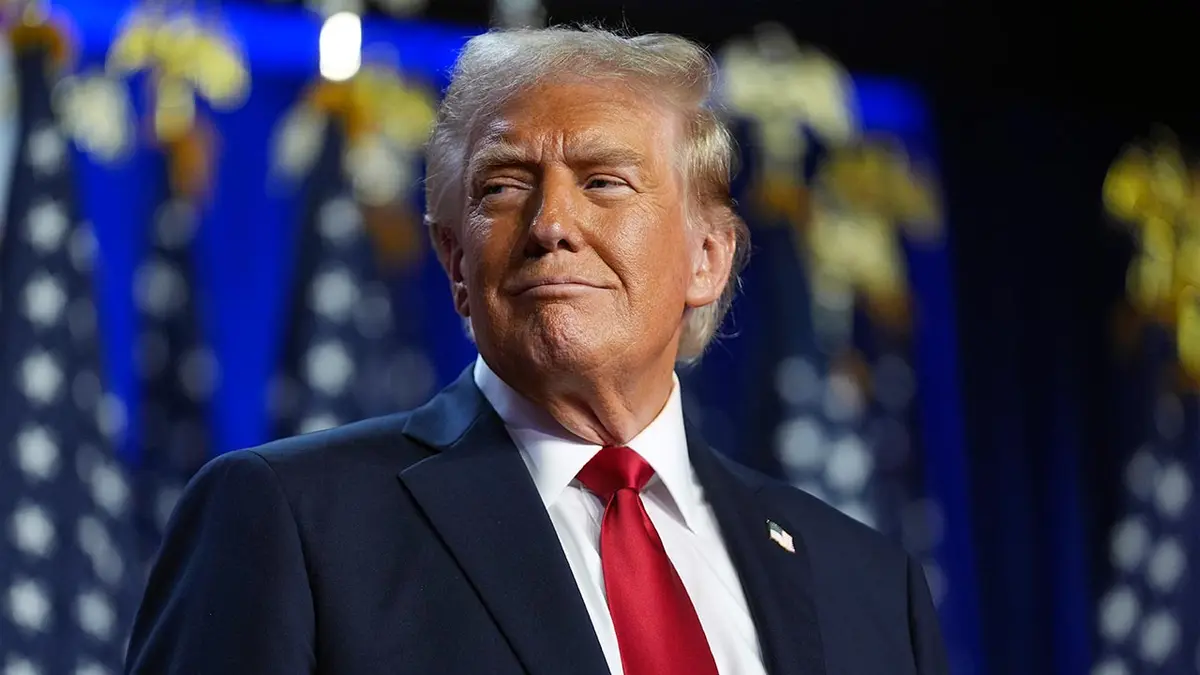
The scrutiny surrounding the deal has intensified as the political climate shifts. In the United States, the Federal Communications Commission (FCC) holds significant influence over the licenses and structural changes of major broadcasters. Any merger that promises to significantly alter the concentration of media ownership must pass through a rigorous review process aimed at ensuring the “public interest” is served.
Critics have pointed to the timing of regulatory movements as a cause for concern. In the business community, the speed at which such massive structural changes are approved—or delayed—is often viewed as a barometer for the administration’s stance on media independence. The complexity of the Paramount-Skydance deal, involving intricate debt restructuring and the integration of vast content libraries, makes it a primary case study for how modern regulators manage the tension between corporate growth and media plurality.
Concerns Over Media Concentration and Political Influence
As media companies continue to merge, the concentration of ownership within a smaller number of hands has become a central theme in economic and political discourse. The potential for a “megamerger” involving Paramount, Skydance, and potentially entities like Warner Bros. Discovery, suggests a future where a handful of families and conglomerates control the vast majority of information flow to the public.

Much of this concern is centered on the Ellison family, whose influence through Skydance is set to expand significantly. The family’s historical involvement in various sectors and their political affiliations have led some observers to question whether the consolidation of media assets could lead to a narrowing of the editorial spectrum. When media ownership becomes concentrated among individuals with strong political ties, the perceived independence of the newsroom can come under pressure.
This tension is not theoretical. David Sirota, editor-in-chief of The Lever and host of the Master Plan podcast, has been vocal about the risks of this trend. Sirota argues that the current regulatory environment may be shifting toward a model where federal power is used to influence media outcomes.
“We see this over and over again, where the Trump administration is weaponizing its power over mergers to try to get what it wants in the media space,” says David Sirota.
Sirota’s perspective highlights a growing fear among media advocates: that the approval of a merger might be contingent upon a company’s willingness to align with the interests of the sitting administration. This “weaponization” of regulatory power, if proven, would represent a fundamental shift in the relationship between the press and the state, potentially chilling investigative journalism and critical commentary.
The Regulatory Landscape: The Role of the FCC
The Federal Communications Commission (FCC) is the primary gatekeeper in these transactions. The agency’s role is to evaluate whether a merger will lead to an unfair monopoly or harm the diversity of voices available to the public. In recent years, the agency has seen a shift in its approach to media regulation, with varying degrees of skepticism toward large-scale consolidations.
The influence of the FCC Chair and the broader administration cannot be overstated. Decisions made within the commission’s halls regarding the defunding of public broadcasting or the tightening of regulations on specific outlets can have immediate and profound effects on the viability of media organizations. For instance, the reduction of federal support for entities like PBS and NPR has already signaled a shift in how the government values non-commercial media.
the aggressive stance taken by individual commissioners regarding media critics has added another layer of complexity to the regulatory environment. When regulators openly criticize or target specific media outlets, it creates a climate of uncertainty for investors and executives alike. For a company like Paramount, navigating these political headwinds is as much a part of the merger strategy as the financial negotiations themselves.
The Impact on Content and Late-Night Programming
The reported instability within CBS’s late-night programming, specifically regarding Stephen Colbert, serves as a micro-level example of the macro-level tensions in the industry. Late-night television has long been a space for political satire and social commentary, making it a frequent target for political figures. When a host becomes a vocal critic of the administration, the platform they occupy becomes a site of political contestation.
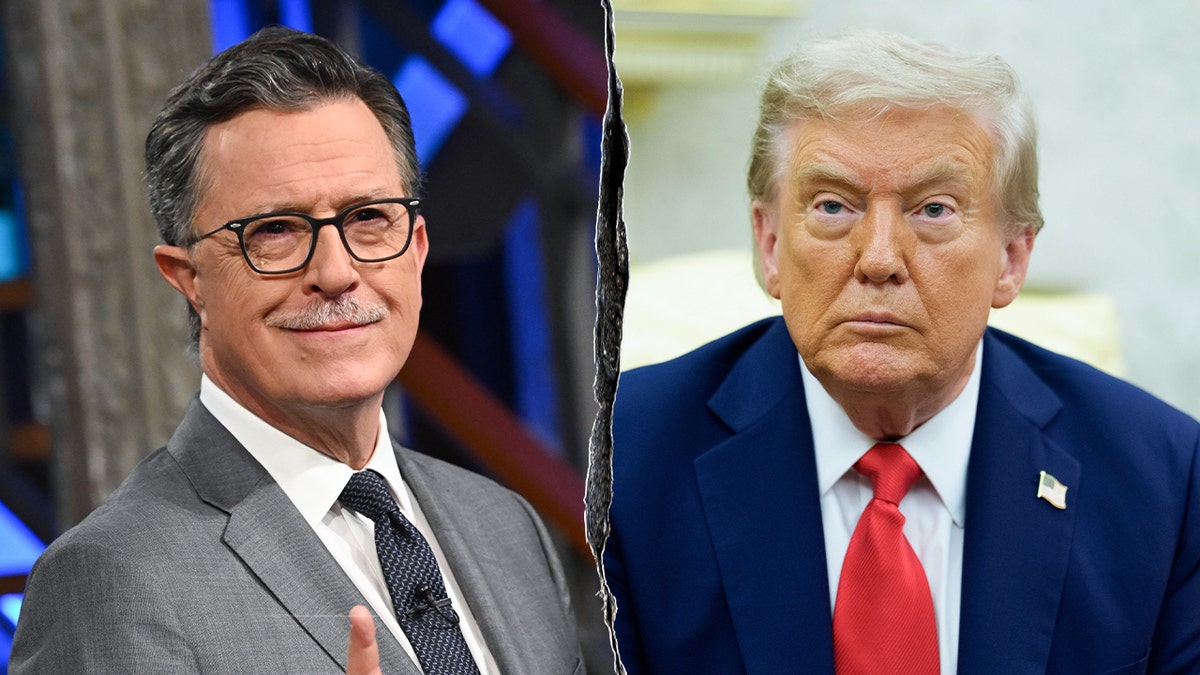
For media conglomerates, the decision to retain or remove such talent is often a balance between brand identity, advertiser relations, and political pragmatism. In an era where a single controversial program can impact a parent company’s regulatory standing, the “risk” associated with outspoken hosts is being recalculated in real-time. The uncertainty surrounding Colbert’s tenure reflects a broader question: can media companies maintain their editorial independence when their corporate survival depends on the favor of federal regulators?
The potential for financial settlements to resolve legal disputes between political figures and media organizations also adds to this complexity. While such settlements are often handled privately, the perception of “paying for peace” can undermine the credibility of the news organizations involved, suggesting that corporate interests may prioritize regulatory smoothness over journalistic principles.
Key Takeaways for Media Investors and Stakeholders
- Regulatory Dependency: The success of major media mergers (such as Paramount-Skydance) is increasingly tied to the political alignment of federal regulators.
- Concentration of Power: Continued consolidation through megamergers threatens to concentrate media control within a small group of politically connected families.
- Editorial Risk: High-profile talent who engage in political commentary face heightened scrutiny as corporations navigate regulatory approvals.
- FCC Influence: The FCC remains the most critical variable in the valuation and execution of media-sector mergers.
Looking Ahead: The Future of Media Consolidation
As the Paramount-Skydance deal moves through its final stages of scrutiny, the industry will be watching for the next major regulatory milestone. The outcome will likely set a precedent for how future mergers—including the potential consolidation of Warner Bros. Discovery—are handled by the administration.
The central question remains whether the American media landscape will continue to diversify through competition or move toward a more centralized, regulated model. For now, the convergence of corporate ambition and political authority suggests that the era of the independent media giant may be giving way to a new age of regulated conglomerates.
Next Milestone: Stakeholders are awaiting the next round of official filings and public hearings regarding the Paramount-Skydance merger approval process.
What do you think about the increasing influence of regulators on media mergers? Share your thoughts in the comments below and share this article to join the conversation.
Related reading