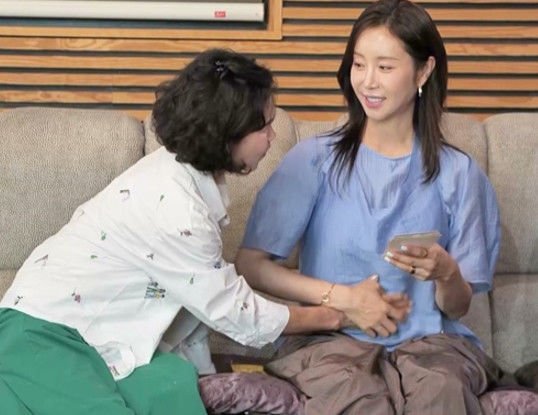
South Korean YouTube personality Handagam has announced her pregnancy at age 47, a milestone that has ignited significant discussion across social media regarding the realities of advanced maternal age and the enduring influence of cultural traditions. The announcement, which featured an emotional gender reveal and details of a traditional “conception dream,” highlights a growing global trend of delayed childbearing and the evolving landscape of reproductive health.
The news has resonated deeply with her global audience, not only because of the creator’s prominent presence in the lifestyle and family vlogging space but also because of the biological and cultural layers surrounding the announcement. For many, Handagam’s journey serves as a modern case study in how medical advancements, shifting societal norms, and ancient traditions intersect during the experience of late-stage pregnancy.
An Emotional Milestone: The Gender Reveal and Family Reaction
Handagam, a well-known digital content creator, shared the news through a personal update that detailed the intense emotional response from her family. During a recent gender reveal event, the creator’s parents were reportedly moved to tears, a reaction that underscored the weight of the news for a family navigating pregnancy in the late 40s. The event was designed to be a shared moment of joy, marking a significant new chapter for the creator and her loved ones.
The emotional gravity of the announcement is compounded by the rarity of such news in the public eye for creators in this age demographic. While many influencers document various life stages, the specific challenges and triumphs of pregnancy at 47 bring a unique level of vulnerability to the narrative. The reaction from her parents, as described in recent reports, reflects the profound impact that late-life childbearing can have on familial structures and expectations.
The Role of ‘Taemong’: Decoding the Black Snake Dream
Central to Handagam’s announcement was her mention of a “Taemong,” or a conception dream. In South Korean culture, Taemong is a deeply rooted tradition where the content of a dream is believed to provide insight into the future child’s gender, personality, or even destiny. According to Handagam, she experienced a dream involving a “black snake” (meok-gureongi), a specific symbol that carries heavy traditional weight.
In the context of Korean folklore, dreams involving certain animals are often used to predict a child’s sex. Traditionally, large snakes, dragons, or certain types of vigorous animals are frequently associated with the birth of a son, whereas smaller creatures or flowers might suggest a daughter. By sharing the detail of the black snake, Handagam tapped into a cultural shorthand that her audience immediately recognized, reinforcing the speculation that the fetus is a boy.
While modern obstetrics relies on ultrasound and non-invasive prenatal testing (NIPT) to determine biological sex, the cultural significance of Taemong remains a powerful psychological and social element in East Asian societies. For many, these dreams offer a sense of connection to the child before the physical reality of the pregnancy is fully realized through medical imaging.
Clinical Perspectives: Navigating Pregnancy at Age 47
As a medical professional, I must note that pregnancy at age 47 is clinically classified under the category of advanced maternal age (AMA). While the success of such pregnancies has increased due to significant breakthroughs in reproductive technology and prenatal monitoring, it is a journey that requires meticulous medical oversight. For women in this demographic, the biological landscape is markedly different from that of those in their 20s or early 30s.

Key medical considerations for pregnancy in the late 40s include:
- Chromosomal Abnormalities: There is a statistically higher risk of aneuploidy, such as Down syndrome, due to the age-related decline in egg quality. Modern screening, including cell-free DNA testing, allows for highly accurate non-invasive monitoring.
- Gestational Complications: Women in this age group face an increased risk of gestational diabetes and preeclampsia, a condition characterized by high blood pressure that can affect both the mother and the fetus.
- Obstetric Management: High-risk obstetric care is standard for AMA pregnancies. This often involves more frequent ultrasounds, specialized blood work, and closer monitoring of fetal growth and placental health.
The ability to carry a pregnancy to term at 47 is a testament to the progress of modern maternal-fetal medicine. However, it is essential for individuals in similar positions to work closely with specialists who can tailor prenatal care to manage these specific physiological risks.
The Societal Shift Toward Delayed Motherhood
Handagam’s pregnancy is not an isolated phenomenon but rather a reflection of a broader sociological shift. Across the globe, particularly in highly developed urban centers, women are increasingly delaying childbearing to prioritize education, career stability, and personal development. This shift has profound implications for public health policy and the healthcare industry.
As the average age of first-time mothers rises, healthcare systems must adapt to support a growing population of high-risk pregnancies. This includes increasing access to advanced reproductive technologies, such as In Vitro Fertilization (IVF) and egg freezing, as well as expanding the availability of specialized prenatal services. The normalization of late-age pregnancy, as seen in the public sharing of Handagam’s journey, may also help reduce the social stigma often associated with delayed motherhood.
Frequently Asked Questions Regarding Late-Age Pregnancy
Is it common to have a healthy pregnancy at age 47?
While it is less common than in younger age groups, many women successfully carry healthy pregnancies into their late 40s. Success often depends on individual health, the use of medical interventions, and rigorous prenatal care.
How do doctors monitor high-risk pregnancies in older mothers?
Monitoring typically includes more frequent prenatal visits, advanced ultrasound technology to check fetal development, and specialized blood tests to screen for chromosomal issues and maternal health complications like preeclampsia.
What is a ‘Taemong’?
A Taemong is a traditional Korean conception dream believed to predict the characteristics or gender of an unborn child. Different animals and symbols in these dreams carry specific traditional meanings.
Does the gender of the baby matter in these traditions?
In many cultures, including Korea, there is a significant interest in gender prediction through various means, including traditional dreams, though modern medical science provides the definitive answer through biological testing.
The next confirmed update regarding Handagam’s pregnancy and the health of the fetus is expected to come through her official YouTube channel and social media platforms, where she continues to document her journey in real-time.
What are your thoughts on the intersection of cultural traditions and modern medicine in pregnancy? Share your perspectives in the comments below and share this article with your network.
Worth a look