
Building arm strength after age 55 requires a thoughtful approach that prioritizes safety, consistency, and effective exercise selection. As the body ages, maintaining muscle mass and functional strength becomes increasingly essential for daily activities, independence, and overall quality of life. Resistance training with dumbbells offers a versatile and accessible way to target the arms while engaging supporting muscle groups, promoting balanced development and joint stability. The key lies in combining compound movements that build foundational strength with isolation exercises that refine specific areas, creating a comprehensive routine that supports long-term progress.
For individuals over 55, the focus should shift from lifting maximal weights to mastering proper form, controlling movement tempo, and ensuring adequate recovery. This approach minimizes injury risk while still stimulating muscle growth and strength gains. Research indicates that consistent resistance training can counteract age-related muscle loss (sarcopenia) and improve neuromuscular efficiency, which is essential for tasks like carrying groceries, lifting objects, or maintaining balance. By structuring workouts around proven movement patterns — pushing, pulling, and stabilizing — individuals can develop strength that translates directly to real-world functionality.
The following five dumbbell exercises are selected for their effectiveness in building arm strength after 55, combining multi-joint movements that engage multiple muscle groups with targeted isolation work for the biceps and triceps. Each exercise includes clear technique guidance, recommended sets and repetitions, and form tips to maximize safety and efficacy. This structure allows for progressive overload over time while respecting the body’s need for control and recovery.
Dumbbell Single-Arm Row
The dumbbell single-arm row is a foundational pulling movement that strengthens the upper back while significantly engaging the biceps and grip muscles. By working one side at a time, this exercise promotes muscular balance and helps identify strength imbalances between sides. It also encourages core engagement and spinal stability, as the torso must resist rotation during the movement. Over time, improved back strength contributes to better posture and enhances performance in daily pulling tasks, such as opening doors or pulling objects toward the body.
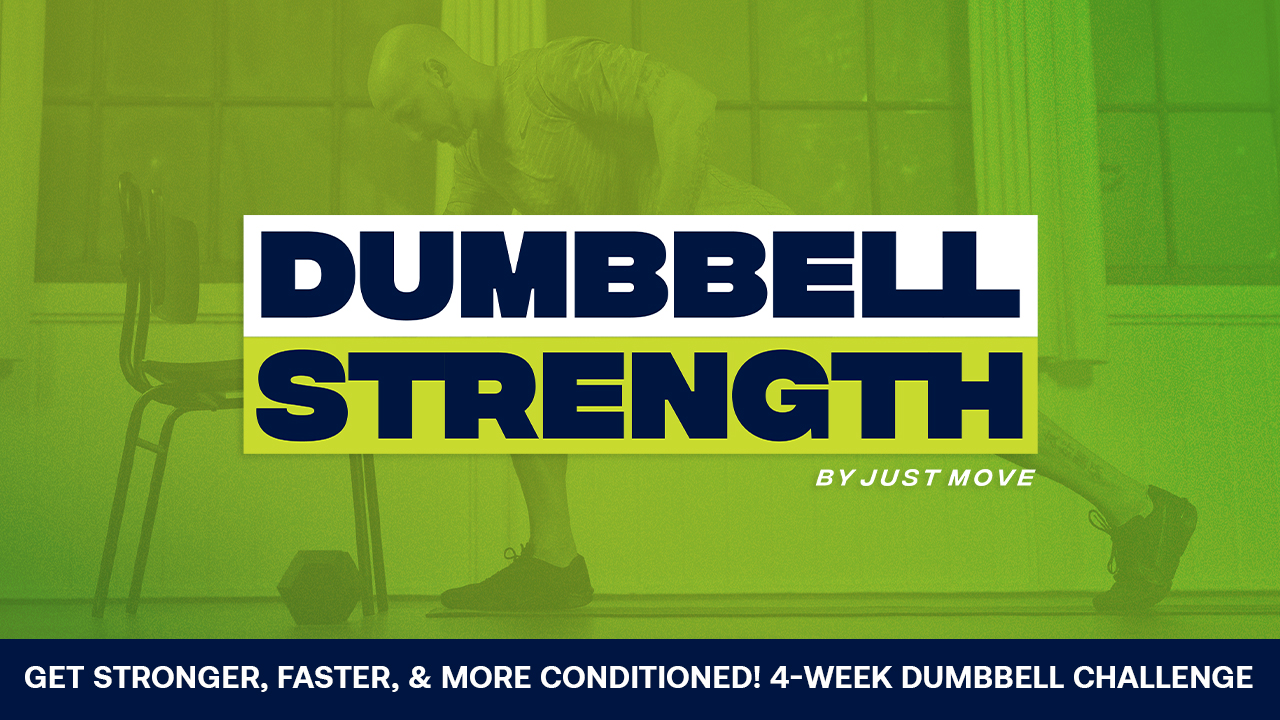
To perform the exercise correctly, place one hand and one knee on a bench for support, keeping the spine neutral and the core engaged. Hold a dumbbell in the opposite hand with the arm fully extended. Pull the weight toward the hip, focusing on driving the elbow past the torso rather than lifting with the hand. Lower the dumbbell with control until the arm is straight again, avoiding any jerking or momentum. This controlled motion ensures continuous tension on the target muscles and reduces strain on the shoulder joint.
Perform 3 sets of 8 to 12 repetitions per side, resting for 45 seconds between sets. Effective variations include chest-supported rows (which reduce lower back strain), slow tempo rows (increasing time under tension), and alternating rows (which add a coordination challenge). A key form cue is to keep the shoulders level and avoid shrugging, ensuring the back muscles — not the upper traps — do the majority of the work.
Dumbbell Bench Press
The dumbbell bench press is a highly effective pushing movement that builds strength in the chest, shoulders, and triceps while promoting muscular balance between sides. Unlike the barbell version, using dumbbells allows each arm to move independently, which helps prevent the stronger side from compensating for the weaker one. This unilateral aspect makes it particularly valuable for identifying and correcting asymmetries that can develop with age or due to habitual movement patterns. The exercise also engages stabilizing muscles throughout the shoulder girdle, contributing to joint integrity and resilience.
Begin by lying flat on a bench with a dumbbell in each hand, feet planted firmly on the floor. Hold the weights at chest level with palms facing forward or slightly inward. Press the dumbbells upward until the arms are fully extended but not locked, then lower them back down with control until the elbows form approximately a 90-degree angle. Keeping the wrists stacked over the elbows throughout the movement helps maintain joint alignment and reduces strain. Avoid flaring the elbows excessively; a 45-degree angle from the torso is often optimal for shoulder safety.
Complete 3 sets of 8 to 12 repetitions, resting for 60 seconds between sets. Beneficial variations include the neutral grip press (palms facing each other, which may reduce shoulder stress), the floor press (which limits range of motion and protects the shoulders), and alternating presses (which increase core engagement). A critical form tip is to maintain contact with the bench through the head, upper back, and buttocks at all times, ensuring a stable base and proper force transfer.
Dumbbell Curls
Dumbbell curls are a direct and effective isolation exercise for building strength and definition in the biceps brachii, the primary muscle responsible for elbow flexion. By keeping the upper arms stationary and focusing on controlled elbow movement, this exercise minimizes involvement of the shoulders and back, ensuring the biceps bear the majority of the workload. For individuals over 55, this targeted work helps maintain the ability to perform lifting and carrying tasks that rely on elbow strength, such as picking up grandchildren or handling household items.
Stand with feet shoulder-width apart, holding a dumbbell in each hand at the sides with palms facing forward. Keep the elbows close to the torso and avoid letting them drift forward or backward during the movement. Curl the weights upward toward the shoulders, pausing briefly at the top to maximize contraction before lowering with control. It is essential to avoid swinging the torso or using momentum to lift the weight, as this reduces effectiveness and increases injury risk. A slower tempo — particularly on the lowering (eccentric) phase — enhances muscle engagement and time under tension.
Perform 3 sets of 10 to 15 repetitions, resting for 45 seconds between sets. Useful variations include alternating curls (which improve focus and balance), hammer curls (palms facing inward, which engage the brachialis and forearms), and slow tempo curls (which increase metabolic stress and control). A key form reminder is to maintain a slight bend in the elbows at the bottom of the movement to keep tension on the biceps and avoid joint strain.
Dumbbell Overhead Tricep Extensions
Dumbbell overhead triceps extensions are among the most effective isolation exercises for targeting the triceps brachii, the three-headed muscle responsible for elbow extension. Performing the movement overhead places the triceps under a unique stretch, particularly in the long head, which can enhance muscle activation and growth potential. This exercise is especially valuable for counteracting the natural decline in pushing strength that occurs with age, supporting actions like pushing doors, lifting objects overhead, or rising from a seated position.
To perform the exercise safely, stand or sit with feet shoulder-width apart, holding a single dumbbell with both hands overhead. Keep the upper arms close to the head and perpendicular to the floor, avoiding any flaring of the elbows. Slowly lower the weight behind the head by bending the elbows, ensuring the upper arms remain stationary throughout. Once the forearms approach parallel to the floor or a comfortable stretch is felt, extend the elbows to return the weight to the starting position. Moving slowly and deliberately prevents strain on the elbow and shoulder joints while maximizing triceps engagement.
Complete 3 sets of 10 to 12 repetitions, resting for 45 seconds between sets. Effective variations include single-arm extensions (which improve balance and core engagement), seated variations (which reduce lumbar strain), and slow tempo repetitions (which increase time under tension). A crucial form cue is to keep the eyes facing forward and the spine neutral — avoid arching the back excessively to compensate for limited shoulder mobility, which is common in older adults.
Dumbbell Lateral Raise
Dumbbell lateral raises primarily target the lateral (middle) deltoids, which play a key role in shoulder abduction and overall shoulder strength and stability. Strong lateral deltoids contribute to a broader, more stable shoulder platform, which in turn supports arm function during pushing, pulling, and lifting movements. For individuals over 55, maintaining shoulder strength is vital for preventing stiffness, reducing injury risk, and preserving the ability to perform overhead and lateral tasks, such as reaching for items on high shelves or carrying bags away from the body.
Stand with feet hip-width apart, holding a dumbbell in each hand at the sides with palms facing the body. Keep a slight bend in the elbows — this should remain constant throughout the movement to protect the joint. Raise the weights out to the sides until the arms are parallel to the floor, ensuring the motion is smooth and controlled. Avoid shrugging the shoulders or using momentum to lift the weight; the movement should originate strictly from the shoulder muscles. Lower the dumbbells back down with the same control, resisting gravity to maintain tension on the deltoids.
Perform 3 sets of 10 to 15 repetitions, resting for 45 seconds between sets. Beneficial variations include seated reduces (which minimize cheating), single-arm raises (which improve focus and core stability), and slow tempo repetitions (which enhance muscle control). A key form tip is to keep the palms facing down or slightly tilted forward as the arms rise — this helps emphasize the lateral deltoid and reduces the tendency for the upper trapezius to dominate the movement.
The Best Tips for Building Arm Strength After 55
Success in building arm strength after 55 depends not only on exercise selection but also on how those exercises are performed. Prioritizing movement quality over weight ensures that muscles are properly stimulated while joints are protected. Consistency, proper recovery, and attention to bodily feedback are essential components of a sustainable strength routine. Small, deliberate adjustments in technique and programming can yield significant long-term benefits without increasing injury risk.
- Alternate between pulling and pushing movements: This ensures balanced development of the anterior and posterior muscle groups, reducing the risk of postural imbalances and joint strain. For example, pairing a pushing exercise like the bench press with a pulling movement like the single-arm row creates a complementary stimulus that supports overall upper body function.
- Stay smooth through each rep: Avoid using momentum or jerking motions to lift the weight. Instead, focus on controlling both the lifting (concentric) and lowering (eccentric) phases of each exercise. Slower tempos increase time under tension, which can enhance muscle growth and strength gains even with moderate loads.
- Pause at peak contraction: Holding the contracted position for one to two seconds at the top of movements like curls or extensions helps reinforce neural activation and muscle engagement. This technique is particularly useful for improving mind-muscle connection, which can diminish with age.
- Keep your grip firm: A strong grip not only improves performance in pulling and lifting exercises but also activates forearm muscles and enhances overall arm stability. Consider periodically incorporating grip-specific work, such as farmer’s carries or dead hangs, to support this often-overlooked aspect of arm strength.
- Adjust your stance for stability: A wide, balanced base allows you to focus on the target muscles rather than struggling to maintain balance. Whether standing or seated, ensure your feet are firmly planted and your weight is evenly distributed before beginning each set.
- Cycle your intensity: Vary your training focus across sessions — some days emphasize slightly heavier loads with lower repetitions (e.g., 6–8 reps), while others prioritize slower, more controlled sets with moderate weight (e.g., 12–15 reps). This approach prevents plateaus, manages fatigue, and supports long-term adherence.
Before beginning any modern exercise routine, individuals over 55 should consult with a healthcare provider, especially if they have pre-existing conditions such as arthritis, osteoporosis, or cardiovascular concerns. A qualified fitness professional or physical therapist can also provide personalized guidance on form, progression, and modifications based on individual needs and limitations. Tracking progress through a training journal — noting weights, repetitions, and how movements experience — can help identify trends and ensure continued improvement over time.
Building arm strength after 55 is not about achieving peak performance but about maintaining functionality, independence, and confidence in daily life. By combining compound and isolation exercises with attention to form, control, and consistency, individuals can develop strength that supports everything from carrying groceries to playing with grandchildren. The journey is gradual, but the rewards — improved mobility, resilience, and quality of life — are well worth the effort.
Worth a look