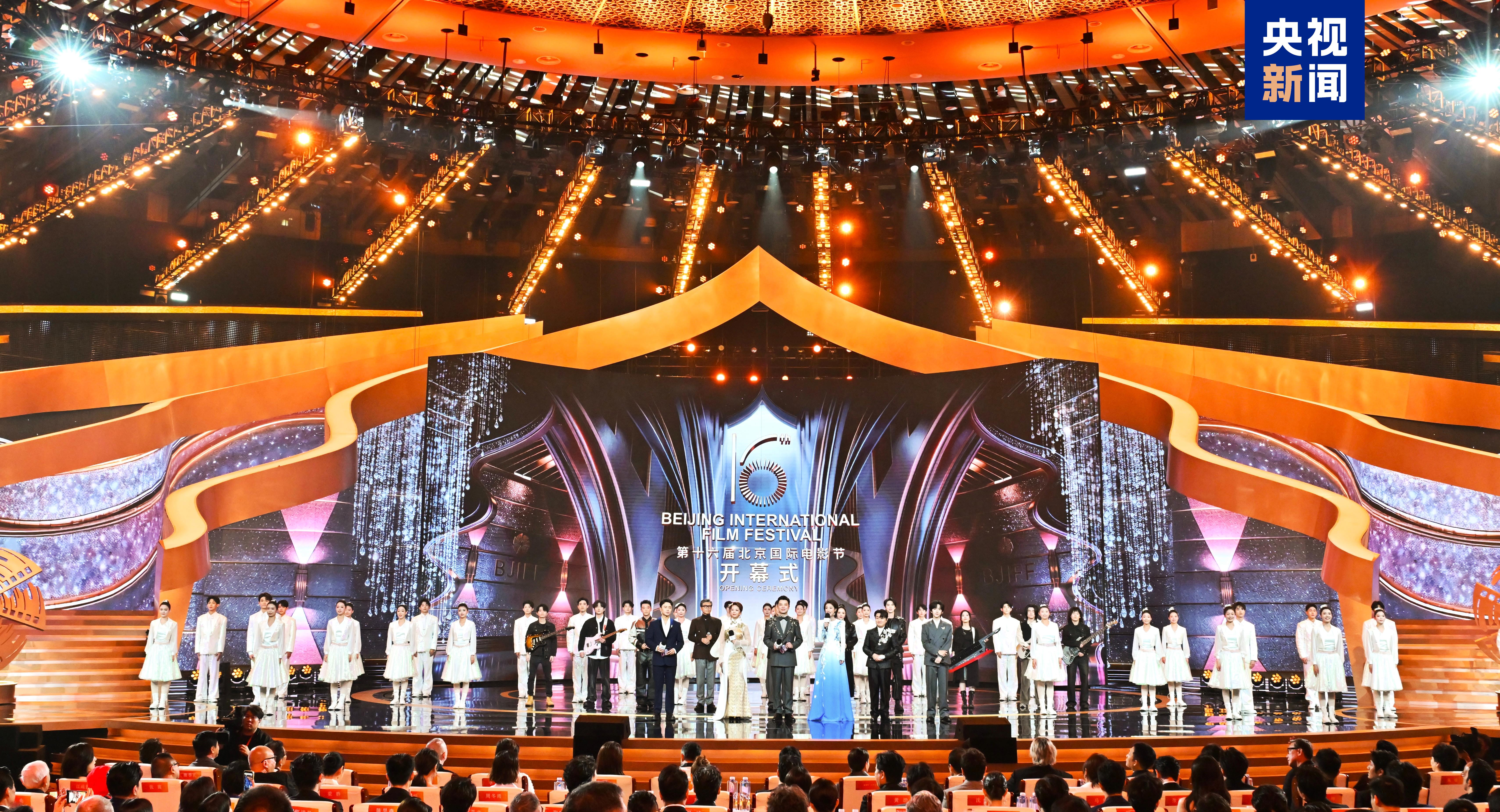
The 16th Beijing International Film Festival (BJIFF) officially opened on April 18, 2024, marking another milestone in China’s growing influence on the global cinematic landscape. Held at the China National Convention Center in Beijing, the festival brought together filmmakers, industry leaders and cinema enthusiasts from over 100 countries to celebrate innovation, cultural exchange, and the evolving art of storytelling through film.
This year’s edition carried the theme “Light of Civilization,” emphasizing cinema’s role in fostering mutual understanding across borders. Festival organizers highlighted the event’s commitment to showcasing diverse voices, particularly from emerging filmmakers in Asia, Africa, and Latin America, while also integrating cutting-edge technology such as virtual production, AI-assisted editing, and immersive screening formats into select sections of the program.
According to the festival’s official announcement, more than 1,500 films were submitted for consideration, with 200 selected for screening across competitive and non-competitive sections. The main competition, known as the Tiantan Award, featured 15 films in contention for the top prize, including works from acclaimed directors such as Jia Zhangke, Apichatpong Weerasethakul, and newcomer Yang Lina, whose debut feature Whispers of the Yellow River premiered to critical acclaim.
The opening ceremony, hosted by Chinese actress Zhou Xun and international star Gilles Lellouche, included a tribute to veteran cinematographer Cao Yu, who received the Lifetime Achievement Award for his contributions to Chinese cinema over four decades. A special screening of the restored 1935 classic The Big Road, directed by Sun Yu, opened the festivities, symbolizing the festival’s dual focus on honoring cinematic heritage and embracing future innovation.
Technology and Innovation Take Center Stage
A defining feature of BJIFF 2024 was its expanded focus on the intersection of film and technology. The festival launched the “Future Cinema Forum,” a series of panels and workshops exploring topics such as AI-generated scripts, virtual production pipelines, and blockchain-based rights management. Industry leaders from companies like Huawei, Tencent Pictures, and Epic Games shared insights on how real-time rendering tools are transforming pre-visualization and on-set collaboration.
One of the most talked-about demonstrations came from Beijing-based startup LightSpeed Studios, which unveiled an interactive short film experience allowing viewers to influence narrative outcomes through gaze-tracking and biometric feedback. While still in experimental phase, the project drew significant attention from both tech investors and artistic directors eager to explore new forms of audience engagement.
According to a press release from the Beijing Municipal Bureau of Culture and Tourism, over 300 industry professionals attended the forum, with participation from Netflix, Warner Bros. Discovery, and the European Broadcasting Union. The bureau reported that international co-production deals valued at approximately $150 million were discussed during the festival’s market section, though final agreements are still pending.
Global Cinema and Cultural Diplomacy
Beyond its industry focus, BJIFF 2024 served as a platform for cultural diplomacy. The festival hosted national pavilions from France, South Korea, Mexico, and Nigeria, each showcasing recent cinematic output and hosting filmmaker Q&As. The African Cinema Spotlight, curated in partnership with the Pan-African Federation of Filmmakers, highlighted restored classics from Ousmane Sembène and contemporary works from directors like Mati Diop and Wanuri Kahiu.
In a notable gesture of solidarity, the festival dedicated a special screening to filmmakers from regions affected by conflict, including a program titled “Voices from Gaza and Sudan,” featuring short documentaries and animated films created under challenging conditions. While organizers did not disclose specific funding sources for the initiative, they emphasized its alignment with UNESCO’s principles of artistic freedom and cultural resilience.
The festival also strengthened its ties with other major events through formal partnerships. A memorandum of understanding signed between BJIFF and the Cannes Film Festival outlined plans for joint talent development programs and shared screening initiatives, aiming to create clearer pathways for Asian and African filmmakers to access Western markets.
Audience Engagement and Public Access
Recognizing the importance of broad public engagement, BJIFF 2024 expanded its outreach beyond industry professionals. Over 40 outdoor screenings were held in Beijing’s public parks and university campuses, offering free access to classic and contemporary films. The “Cinema Under the Stars” series in Chaoyang Park attracted nightly crowds of over 5,000 attendees, according to municipal tourism data.
Digital access was also prioritized. The festival partnered with iQiyi and Youku to stream select sections of the program online, reaching an estimated 2.3 million viewers across mainland China during the 10-day event. Subtitles in English, French, Spanish, and Arabic were provided for international audiences, reinforcing the festival’s global ambitions.
Student involvement was another highlight. More than 200 film students from institutions such as the Beijing Film Academy, USC School of Cinematic Arts, and La Fémis participated in jury programs, workshops, and mentorship sessions. The “Young Critics Forum,” led by veteran critic Derek Elley, encouraged emerging voices to engage in thoughtful discourse about aesthetics, ethics, and representation in modern cinema.
Challenges and Criticisms
Despite its successes, the festival faced some criticism. A few international delegates noted delays in visa processing for participants from certain African and Middle Eastern countries, which affected timely arrival for scheduled events. While the organizing committee attributed these issues to standard consular procedures, they pledged to operate with the Ministry of Foreign Affairs to streamline accreditation for future editions.

Environmental advocates also raised concerns about the carbon footprint associated with international travel and large-scale event logistics. In response, BJIFF announced a pilot sustainability initiative for 2025, including carbon offset partnerships with Chinese renewable energy firms and a ban on single-use plastics at all venues.
some domestic observers questioned the balance between commercial appeal and artistic risk-taking in the main competition lineup. While acknowledging the presence of bold works like Whispers of the Yellow River and The Shadow Play by Hu Bo (posthumously released), critics from outlets such as Film Business Asia argued that several Tiantan nominees leaned toward safer, festival-friendly narratives rather than challenging formal experimentation.
Looking Ahead: The Future of BJIFF
As the 16th edition concluded on April 28, 2024, festival president Fan Bingbing expressed optimism about BJIFF’s evolving role in the global film ecosystem. Speaking at the closing ceremony, she emphasized the festival’s dual mission: to serve as a launchpad for Chinese cinema on the world stage while remaining a welcoming home for international stories that might otherwise go unseen.
The next Beijing International Film Festival is scheduled for April 2025, with exact dates to be announced by the organizing committee later this year. Preparations are already underway for an expanded technology exhibition and a potential collaboration with the Shanghai International Film Festival on a joint Asian Cinema Summit.
For ongoing updates, including official selections, award winners, and industry forum recordings, visitors are encouraged to consult the festival’s official website or follow its verified social media channels. As cinema continues to evolve in an era of rapid technological change and cultural exchange, events like BJIFF remind us that the power of film lies not only in what we spot on screen, but in the connections it fosters between us.
Worth a look