
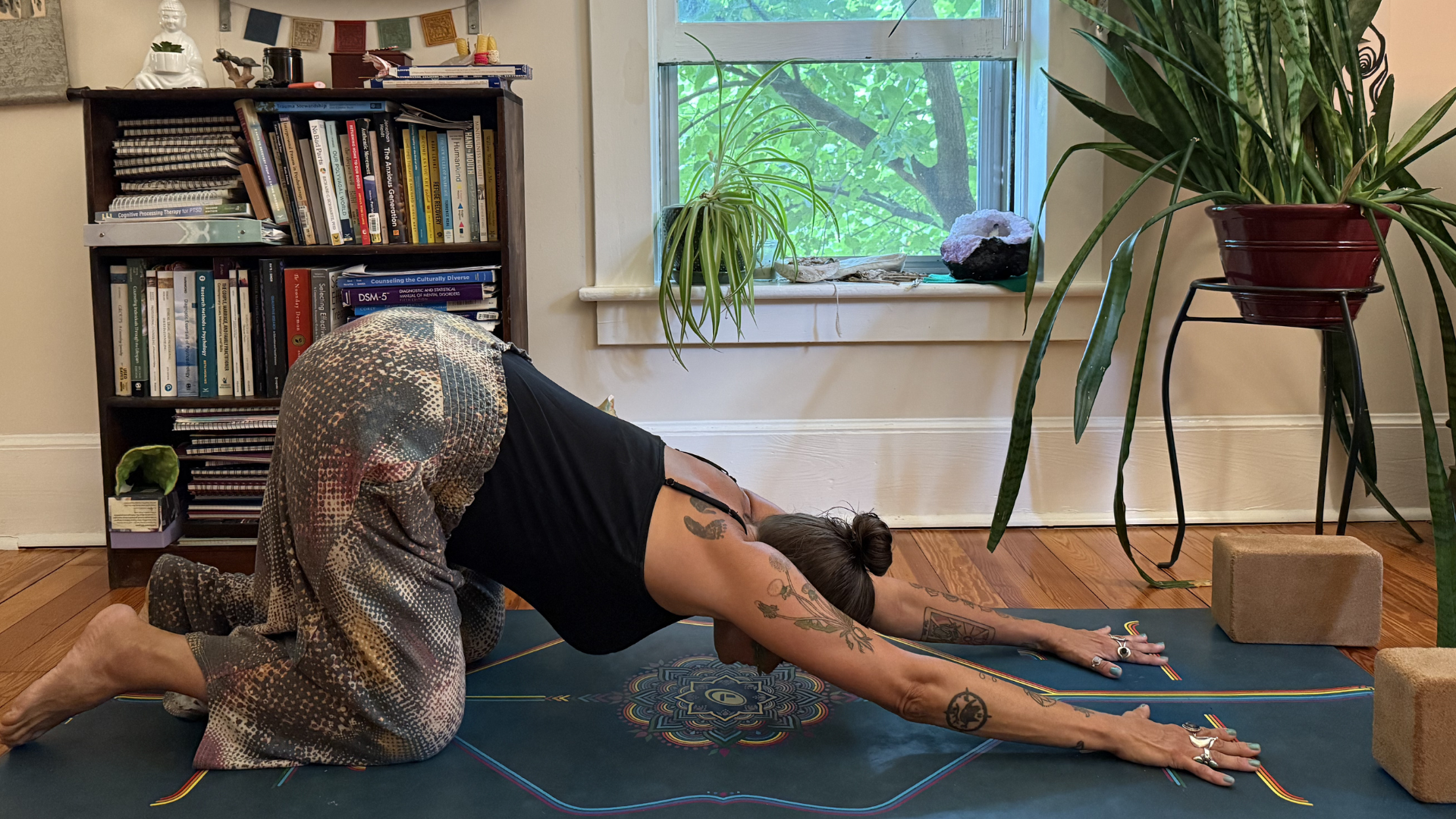
Shadow work, a psychological concept popularized by Carl Jung, refers to the practice of exploring the unconscious parts of the personality—often called the “shadow”—to foster self-awareness and emotional integration. While traditionally a therapeutic endeavor, many practitioners now integrate physical movement, specifically yoga, to process these complex emotions. Incorporating five specific yoga poses can assist in grounding the body while navigating the internal reflections required for shadow work.
The practice of shadow work involves identifying suppressed traits, fears, or unresolved patterns that influence behavior. According to the American Psychological Association, Jungian psychology emphasizes the importance of balancing the conscious and unconscious mind to achieve individuation. When applied to a yoga practice, the focus shifts from purely physical alignment to creating a safe, stable environment for introspection.
Grounding Through Physical Stability
Before diving into intense emotional reflection, practitioners often prioritize poses that provide a sense of security. Child’s Pose (Balasana) is frequently cited by yoga instructors as an essential starting point for introspection. By bowing forward and resting the forehead on the mat, the practitioner creates a physical boundary that encourages inward focus and nervous system regulation. This stability is critical when addressing difficult psychological material.
Similarly, Mountain Pose (Tadasana) serves as a foundational stance for observing the self. By standing firmly with even weight distribution, individuals can practice the “witness consciousness” required for shadow work. This allows the practitioner to observe thoughts or emotional sensations without immediately reacting to them, a core tenet of mindful movement supported by the National Center for Complementary and Integrative Health.
Opening the Body to Process Emotion
Emotional tension is often stored in the hips and chest, areas that are central to many shadow work yoga sequences. Pigeon Pose (Eka Pada Rajakapotasana) is commonly used to target the hip flexors. In many somatic movement practices, the hips are considered a storage site for emotional stress. By holding this pose, practitioners may encounter resistance or discomfort, which serves as a physical mirror for the internal resistance one might feel when facing shadow aspects of the self.
To address vulnerability, heart-opening poses such as Camel Pose (Ustrasana) are often employed. By arching the spine and exposing the chest, the practitioner creates a posture of openness. This can be challenging for those who have built defenses around their emotions. When practiced with intention, it encourages the release of guardedness, facilitating a more honest assessment of one’s internal landscape.
Integration and Rest
The final pose often recommended for this practice is Corpse Pose (Savasana). After engaging with difficult reflections or physically demanding postures, Savasana provides the necessary space for the nervous system to return to equilibrium. It is in this stillness that the insights gained during the session can settle. According to research published by the National Institutes of Health, restorative poses are linked to reduced physiological arousal, which is essential for emotional processing.

Shadow work is not a linear process, and integrating physical movement should be approached as a supportive tool rather than a quick fix. Practitioners are encouraged to maintain a consistent routine, perhaps journaling after their practice to record observations. Those interested in further developing a mindful practice may consult resources from established organizations like the Yoga Alliance, which provides standards for teacher training and practice safety.
As with any practice involving psychological exploration, if individuals feel overwhelmed by the emotions that arise, it is recommended to seek support from a licensed mental health professional. There are no scheduled clinical trials or official medical mandates governing the use of yoga for shadow work, as it remains a personal wellness practice. Readers are invited to share their own experiences with mindful movement and self-reflection in the comments section below.