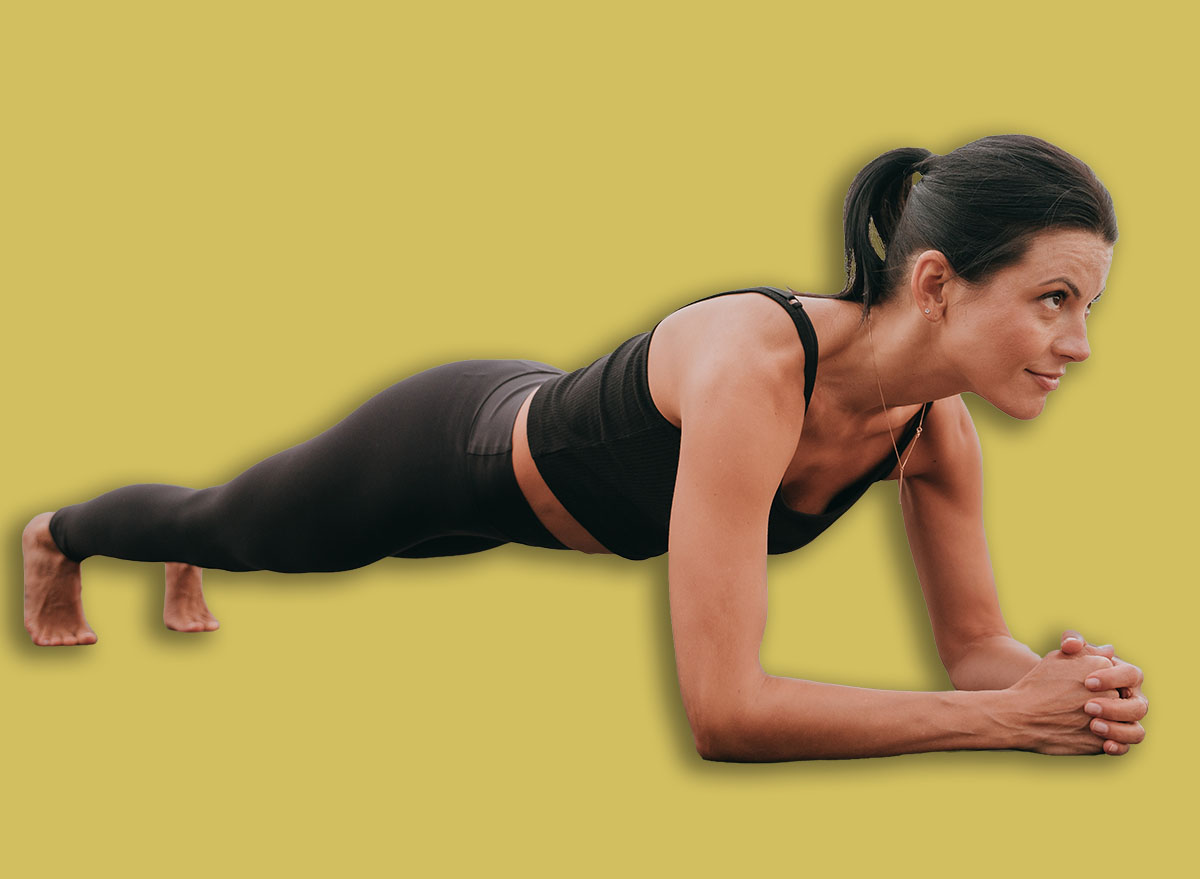
Core exercises for adults over 55 focus on strengthening deep abdominal muscles and improving spinal stability rather than targeting specific fat deposits, as physiological spot reduction is not possible. Experts suggest that low-impact movements like the dead bug and forearm plank are more effective for maintaining functional midsection strength and posture than traditional high-volume sit-up routines.
As individuals age, changes in body composition often lead to increased weight accumulation in the midsection. This shift is driven by a combination of hormonal fluctuations, age-related muscle loss, and potential decreases in daily physical activity. While many seek exercises to “burn” belly fat specifically, health professionals clarify that core training serves a different primary purpose: enhancing the structural integrity and functional capacity of the abdomen.
Karen Ann Canham, a board-certified wellness coach and nervous system specialist, notes that no specific abdominal exercise can directly shrink belly fat. Instead, Canham suggests that targeted core work strengthens both superficial and deep stabilizing muscles, which can improve posture and the overall appearance of the midsection. These exercises are specifically selected to be more joint-friendly and sustainable for the over-55 demographic.
The Science of Aging and Midsection Weight Gain
The tendency to gain weight around the abdomen after age 55 is linked to several biological processes. One significant factor is sarcopenia, the age-related loss of skeletal muscle mass. As muscle mass declines, the metabolic rate often slows, making it easier for the body to store fat. Additionally, hormonal shifts—such as the decline of estrogen in women and testosterone in men—frequently cause fat to redistribute toward the abdominal region.
Medical experts distinguish between subcutaneous fat, which sits just under the skin, and visceral fat, which accumulates around internal organs. Visceral fat is often more closely linked to metabolic health risks. While core exercises strengthen the musculature, systemic fat loss typically requires a combination of consistent physical activity and nutritional management, as exercise alone cannot isolate fat burning to one area of the body.
Anatomy of the Core: Why Stability Matters
To understand why certain exercises are recommended for older adults, it is necessary to look at the different layers of the abdominal wall. The core is not a single muscle but a complex system designed to protect the spine and facilitate movement.

- Rectus Abdominis: Often referred to as the “six-pack” muscle, this superficial muscle is responsible for flexing the spine.
- Transverse Abdominis: This is the deepest abdominal layer. It acts like a natural corset, wrapping around the torso to stabilize the spine and support internal organs.
- Obliques: Located on the sides of the abdomen, these muscles assist with rotation and lateral stability.
- Spinal Stabilizers: Muscles such as the erector spinae work in tandem with the abdominals to maintain an upright posture and prevent injury during movement.
For adults over 55, prioritizing the transverse abdominis and spinal stabilizers is critical for fall prevention and maintaining balance, which are key components of healthy aging.
Five Recommended Core Exercises for Adults Over 55
The following exercises are designed to build functional strength while minimizing the risk of strain on the neck, lower back, and joints.
1. Modified Crunches
Modified crunches target the rectus abdominis while reducing the mechanical stress placed on the cervical spine (neck) and the lumbar spine (lower back) compared to traditional sit-ups.
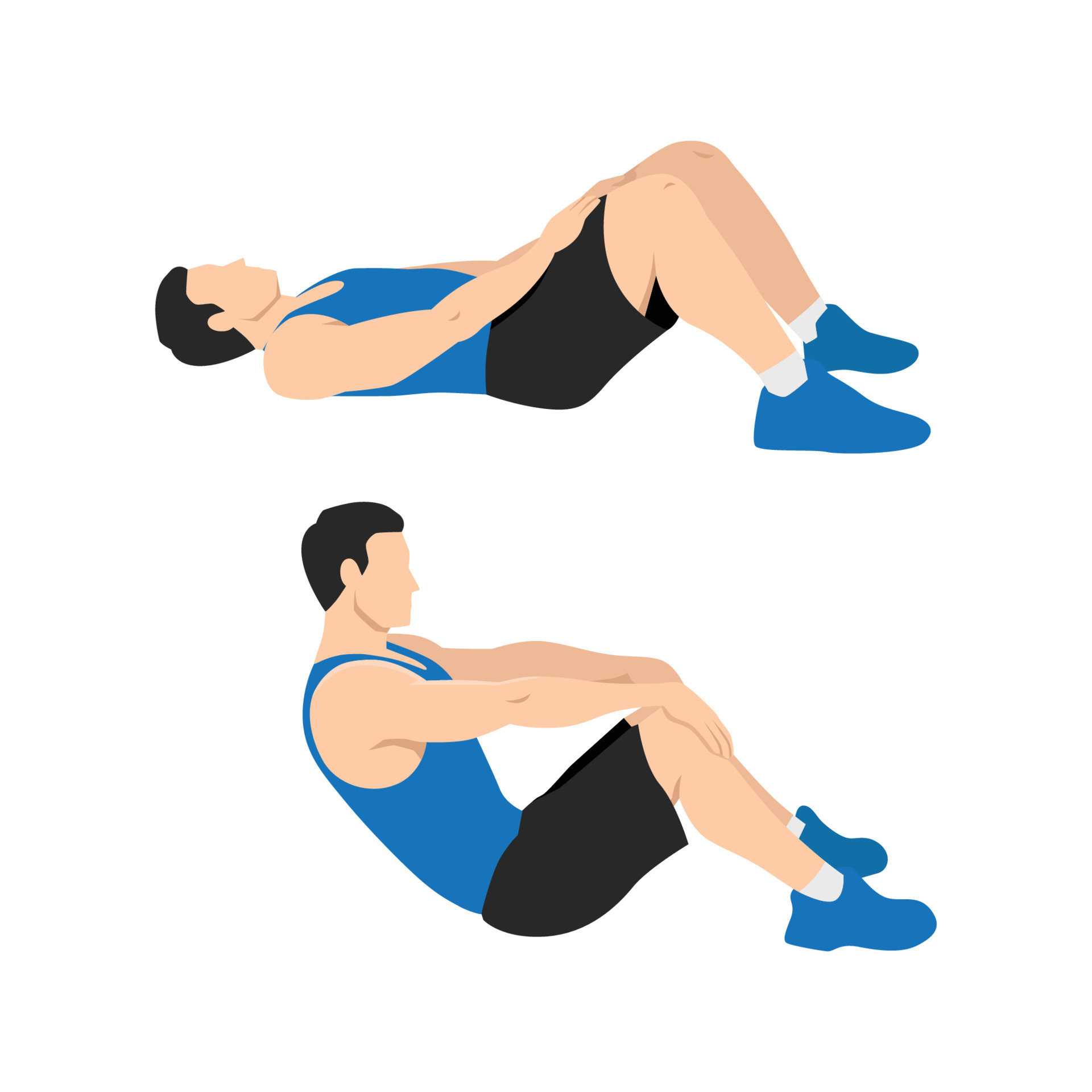
How to perform:
- Lie flat on your back with knees bent and feet planted firmly on the mat.
- Place your hands lightly behind your head for support.
- Brace your core and press your lower back into the floor to ensure stability.
- Inhale deeply.
- As you exhale, lift your head, neck, and shoulders off the floor, drawing your ribcage toward your hips.
- Lower yourself back down with control.
Recommended Volume: Perform 2 to 3 sets of 10 to 15 repetitions.
2. Bent-Knee Leg Raises
This movement is intended to target the lower portion of the abdominal wall and improve overall core control.
How to perform:
- Lie on your back with knees bent and feet flat.
- Position your arms at your sides with palms facing down.
- Engage your core and press your lower back into the mat to prevent arching.
- Lift your feet so your knees are bent at a 90-degree angle.
- While keeping the knees bent, gradually lift your thighs toward your chest.
- Hold the position briefly at the top before slowly lowering.
Recommended Volume: Perform 2 to 3 sets of 8 to 12 repetitions.
3. The Dead Bug
The “dead bug” is highly regarded for its ability to strengthen deep core stabilizers while providing significant protection for the spine.
How to perform:
- Lie on your back with arms extended toward the ceiling and knees lifted in a “tabletop” position (90-degree angle).
- Press your back into the floor and engage your abdominal muscles.
- Slowly lower your right arm toward the floor while simultaneously extending your left leg.
- Count to three during the descent.
- Return to the starting position and repeat the movement using the opposite arm and leg.
Recommended Volume: Perform 2 to 3 sets of 8 to 10 repetitions on each side.
4. Bird-Dog
Bird-dogs are used to build coordination, posture, and core stability through controlled, multi-planar movement.
How to perform:
- Begin on all fours in a tabletop position with hands under shoulders and knees under hips.
- Simultaneously extend your left arm forward and your right leg backward.
- Hold the extended position for a moment to find balance.
- Return to the starting position and alternate sides.
Recommended Volume: Perform 2 sets of 8 to 10 repetitions on each side.
5. Forearm Plank
The forearm plank is a compound isometric hold that engages the entire core, including the transverse abdominis, obliques, and spinal stabilizers, in a single movement.
How to perform:
- Assume a position resting on your forearms, with elbows positioned directly under your shoulders.
- Keep your arms parallel to your body, roughly shoulder-width apart.
- Maintain a straight line from your head to your heels.
- Actively engage your core, legs, and glutes to prevent your hips from sagging or arching.
Recommended Volume: Perform 2 to 3 holds, lasting between 20 and 45 seconds each.
Comparison: Traditional vs. Stabilizing Core Training
When selecting a routine, it is helpful to contrast traditional abdominal exercises with the stabilizing movements recommended for older adults. High-volume sit-ups and crunches often focus on the superficial rectus abdominis, which can lead to increased spinal compression and neck strain if performed with improper form.
| Feature | Traditional Sit-Ups/Crunches | Stabilizing Moves (e.g., Dead Bug, Plank) |
|---|---|---|
| Primary Target | Superficial Abdominals | Deep Stabilizers (Transverse Abdominis) |
| Spinal Impact | Higher risk of compression/strain | Designed for spine protection |
| Functional Benefit | Muscle hypertrophy (size) | Balance, posture, and stability |
| Joint Friendliness | Lower for older adults | Higher for older adults |
Safety and Implementation
Before beginning any new exercise regimen, particularly one targeting the core, individuals should consult with a healthcare provider. This is especially important for those with existing spinal issues, such as herniated discs or osteoporosis, where certain movements could exacerbate pain or injury.
To ensure safety, focus on quality of movement over quantity of repetitions. If a movement causes sharp pain or significant discomfort, stop immediately. Implementing progressive overload—gradually increasing the duration of holds or the number of repetitions—is a standard method for building strength without causing sudden injury.
Frequently Asked Questions
Can these exercises help me lose belly fat?
These exercises strengthen the muscles underneath the fat and can improve your midsection’s appearance by improving posture. However, they do not “burn” fat in a specific area. Fat loss is achieved through a total body caloric deficit.
How often should I perform these exercises?
Frequency depends on individual fitness levels, but consistency is key. Most experts suggest incorporating core work 2 to 3 times per week, allowing for rest days to permit muscle recovery.
Are these exercises safe for people with back pain?
Many of these moves, such as the dead bug and bird-dog, are specifically designed to protect the spine. However, because everyone’s back health is different, you should seek medical clearance before starting.
The next step for those looking to integrate these movements is to consult a physical therapist or a certified trainer to ensure proper form is maintained. Do you have questions about core health after 55? Share your thoughts in the comments below and share this article with someone who might find it helpful.
Related reading