As a homeowner, your driveway is often the first thing visitors see, but it is also one of the most hardworking surfaces on your property. Whether you are dealing with hairline cracks or more significant structural shifts, the decision to repair or replace your concrete driveway is a common dilemma. Because replacing an entire concrete slab can be a time-consuming and expensive endeavor, understanding how to evaluate the health of your pavement is essential for long-term property maintenance.
Deciding between a patch job and a full replacement requires a careful assessment of the underlying issues. While small, superficial repairs can often be managed as DIY projects, structural failures usually require professional intervention. By addressing minor issues early, you can prevent water infiltration and frost heave from turning a simple fix into a costly reconstruction project. In this guide, we break down the factors you should consider before making a decision.
Identifying the Signs of Structural Failure
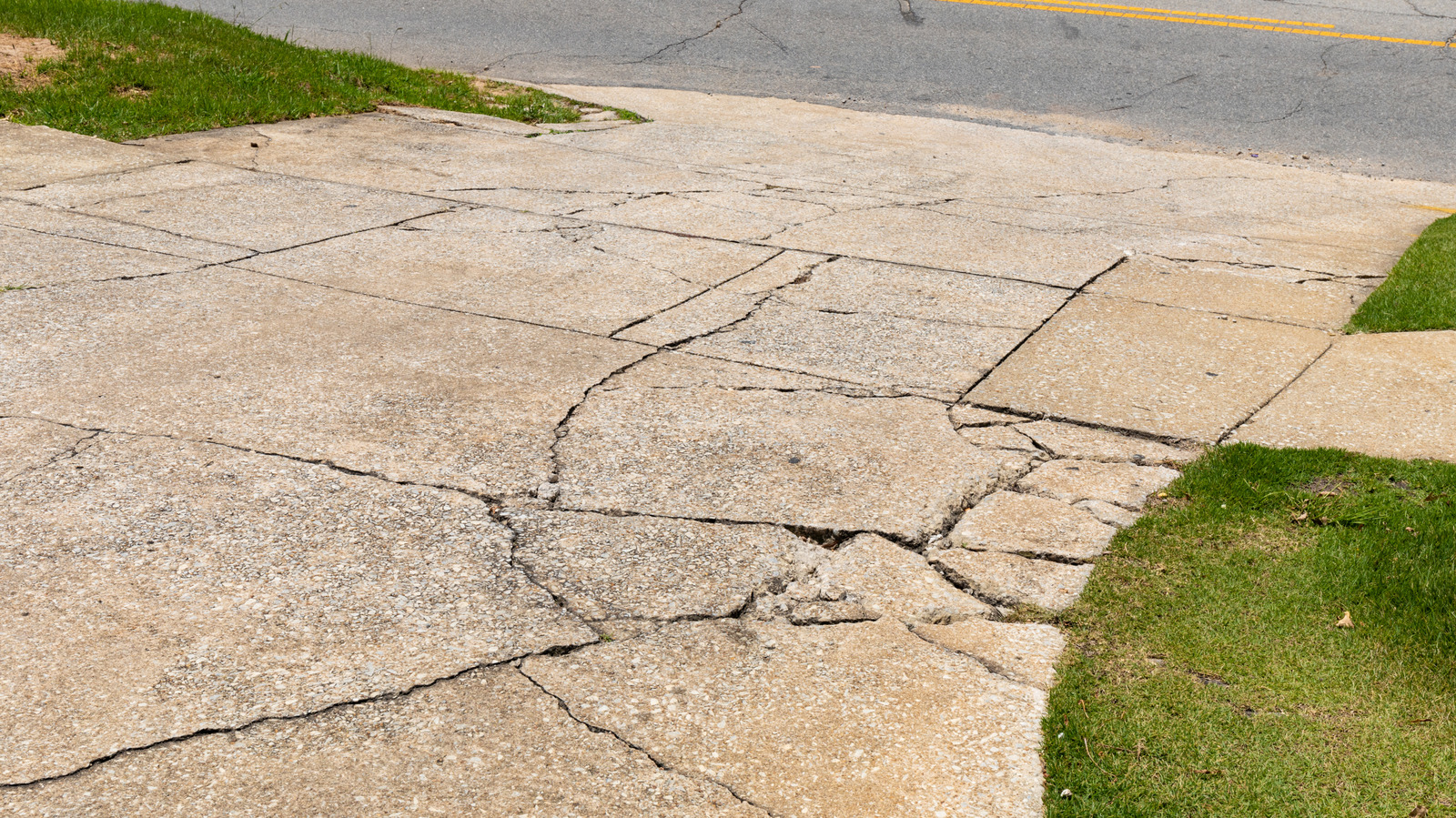
Not all cracks are created equal. When evaluating your driveway, it is helpful to distinguish between cosmetic surface imperfections and deep-seated structural problems. Surface-level cracks, often caused by the natural curing process of concrete or minor temperature fluctuations, are frequently manageable with high-quality fillers or sealants. According to guidance from the Portland Cement Association, identifying the root cause of the damage—such as poor drainage or an inadequate subgrade—is the first step toward a lasting solution.
If you notice large, wide cracks that continue to grow, or sections of the driveway that have sunk or heaved significantly, you may be looking at a failure of the sub-base. When the ground beneath the concrete shifts, the material loses the support it needs to bear the weight of vehicles, leading to more extensive damage. In such cases, patching the surface will likely be a temporary measure that fails to address the shifting soil beneath.
The Cost-Benefit of Repair vs. Replacement
The financial commitment for a total driveway replacement is significantly higher than that of routine maintenance or localized repairs. According to data provided by the U.S. Department of Housing and Urban Development in their rehabilitation guidelines, the longevity of a concrete surface is heavily dependent on the quality of the original installation and ongoing moisture management. If your driveway is relatively new but has developed isolated cracks, repair is almost always the more cost-effective route.
However, if the concrete is aging—typically defined as reaching 20 to 30 years of service—and is riddled with extensive cracking, crumbling edges, or severe discoloration, a full replacement may be the more prudent long-term investment. Beyond the immediate costs, a new driveway can improve curb appeal and potentially increase the resale value of your home, whereas a heavily patched older driveway might be viewed as a future maintenance liability by prospective buyers.
Best Practices for Driveway Maintenance
To extend the life of your concrete and delay the need for a major overhaul, proactive maintenance is key. Regular cleaning to remove oil stains, debris, and salt—which can accelerate the degradation of the concrete surface—is a simple yet effective habit. The National Park Service offers technical preservation resources that highlight how moisture and chemical exposure, particularly in colder climates, contribute to the spalling and cracking of concrete structures.
Consider the following steps to protect your investment:
- Seal the surface: Applying a high-quality concrete sealer every few years can protect the slab from water penetration and oil spills.
- Improve drainage: Ensure that the ground around your driveway slopes away from the slab to prevent water from pooling, which is a leading cause of sub-base erosion.
- Monitor vegetation: Keep tree roots and large shrubs at a distance, as their growth can exert significant pressure and lift concrete sections over time.
When to Call a Professional
While minor surface repairs are often within the scope of a handy homeowner, significant structural work should be handled by licensed professionals. If you are unsure about the integrity of your driveway, a local contractor can perform a site assessment to determine if the damage is localized or systemic. When selecting a professional, it is advisable to check for proper licensing and insurance, as well as references for similar concrete projects in your area.
As you move forward, keep an eye on local building codes and zoning ordinances, which may require permits for driveway modifications or replacements. You can typically find these requirements through your municipal planning department’s official website or by contacting your local building inspector’s office. Staying informed about these regulations ensures that any work you undertake remains compliant with regional safety and environmental standards.
the decision to repair or replace comes down to a balance of current budget, the extent of the damage, and your long-term plans for the property. By acting early and maintaining your concrete properly, you can keep your driveway functional and attractive for years to come. Do you have a story about a home repair project gone right? Share your experiences in the comments below, and stay tuned for our next feature on sustainable landscaping practices for modern homeowners.
Keep reading