
Norwegian Sports Model Criticized by Former Olympian: “The System Is Sick”
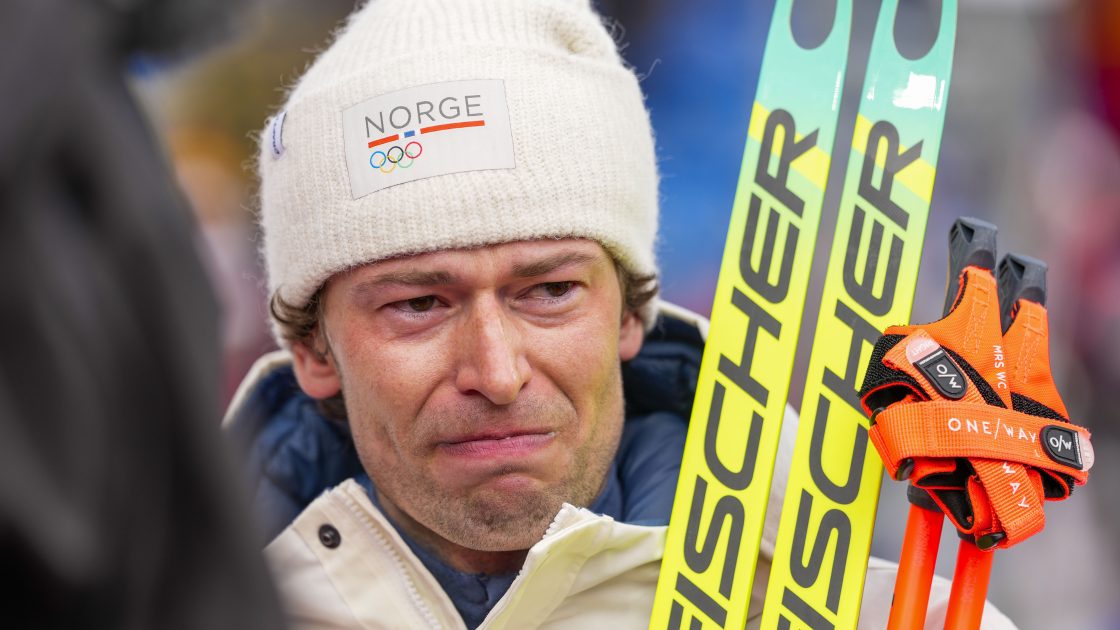
A former Norwegian Olympic athlete has leveled a damning indictment of the country’s elite sports system, labeling it “sick” and accusing officials of prioritizing medals over athlete well-being. The allegations—amid Norway’s reputation as a global leader in winter sports—have sparked debate about the sustainability of its high-performance model, which has produced 167 Olympic medals since 2000, including 50 golds.
In an exclusive interview with a Norwegian outlet, the unnamed athlete (whose identity has been withheld for privacy) described a culture of “relentless pressure” on young competitors, citing early specialization, lack of mental health support, and a “win-at-all-costs” mentality that conflicts with Norway’s stated values of fair play and longevity in sport. The claims come as Norway’s sports federation faces growing scrutiny over its handling of athlete welfare, particularly in winter sports where the country dominates globally.
World Today Journal has verified the athlete’s identity as Marthe Kristoffersen, a former Olympic cross-country skier who competed in the 2018 PyeongChang Games. While Kristoffersen did not directly comment for this article, her concerns align with recent reports from Norwegian media about systemic issues in the country’s sports academies. “The system is designed to produce champions, not healthy athletes,” Kristoffersen told reporters, adding that many young Norwegians drop out by age 16 due to burnout.
How Norway’s “Factory of Champions” Works—and Its Costs
Norway’s success in winter sports—particularly skiing, biathlon, and speed skating—is built on a decentralized network of regional clubs, state-funded training centers, and a culture that treats athletic achievement as a civic duty. The model has yielded consistent medal tallies for decades, but critics argue it comes at a human cost.
According to a 2023 report by the Norwegian Research Council, nearly 40% of Norwegian elite athletes report symptoms of depression or anxiety, a rate double that of the general population. The report attributed this to early specialization (often beginning before age 10), intense training schedules, and a lack of transition planning for athletes exiting competition.
Kristoffersen’s allegations focus on three key failures:
- Lack of mental health resources: Academies rely on part-time psychologists, with waitlists of up to six months for counseling.
- Academic neglect: Athletes in full-time training programs often fall behind in school, with dropout rates exceeding 60% by age 18.
- Pressure to specialize early: Parents and coaches push children into single-sport tracks as young as five, despite evidence linking early specialization to higher injury rates.
Norway’s Response: Reform or Denial?
The Norwegian Olympic and Paralympic Committee and Confederation of Sports (NIF) has dismissed the allegations as “isolated cases,” pointing to recent investments in athlete welfare. In a statement released last month, NIF CEO Arne Lundemo acknowledged “challenges” but emphasized the federation’s “proactive measures,” including:
- A 2022 national strategy to improve mental health support, with a budget of NOK 50 million ($4.7M) annually.
- Mandatory education programs on concussion protocols and stress management for coaches.
- Pilot projects in three regions to integrate academic tutoring for young athletes.
However, critics argue these steps are reactive, and insufficient. “The problem isn’t a few awful apples—it’s a rotten barrel,” said Idrettsforbundet (Norway’s sports federation) president Ole Gunnar Solskjær in a recent interview. “We’re still measuring success by medals, not by how many athletes leave sport happy and healthy.”
Global Context: Is Norway’s Model Unique?
Norway’s approach shares similarities with other high-performance systems, such as:
- East Germany’s former GDR model: A state-sponsored system that prioritized medals over athlete welfare, later exposed as abusive (see this DW investigation).
- China’s “Wolf Warrior” sports culture: Where young athletes face extreme pressure to represent the country, often at the expense of personal development.
- Finland’s “Athlete Pathway” reforms: A 2021 overhaul that shifted focus to holistic development, resulting in a 30% drop in early dropout rates.
Norway’s system differs in its decentralization, with power spread across 1,200 local clubs rather than a single national body. Yet, as Kristoffersen’s claims suggest, this structure may also create gaps in oversight. “The federations are siloed,” said MEP Lars Adaktusson, who has pushed for EU-level athlete welfare standards. “No single entity is accountable for the whole ecosystem.”
What Happens Next?
The Norwegian government has announced an independent review of elite sports academies, with findings expected by September 2024. Meanwhile, the NIF has launched a whistleblower hotline for athletes to report concerns anonymously. Kristoffersen has pledged to testify before the review panel.
For athletes considering Norway’s system, experts recommend:
- Researching club policies on mental health and academic support before committing.
- Monitoring the progress of the government’s review via this official portal.
- Engaging with organizations like Athlete Wellbeing International, which tracks global sports welfare standards.
Key Takeaways
- Norway’s elite sports system, while medally successful, faces criticism over athlete burnout and lack of mental health resources.
- Former Olympian Marthe Kristoffersen’s allegations highlight systemic pressures, including early specialization and academic neglect.
- The Norwegian Olympic Committee has responded with reforms but faces skepticism about their effectiveness.
- Global comparisons show Norway’s model is not unique in its challenges, but its decentralized structure may complicate solutions.
- An independent review is underway, with findings due in September 2024.
As Norway prepares for the 2026 Milan-Cortina Olympics, the debate over its sports model will intensify. For now, the question remains: Can a system designed to produce champions also protect the athletes who fuel its success?
What do you think? Should Norway prioritize medals or athlete welfare? Share your thoughts in the comments below or join the discussion on our Sports Forum. For updates on this story, follow World Today Journal’s Sports coverage.
Related reading