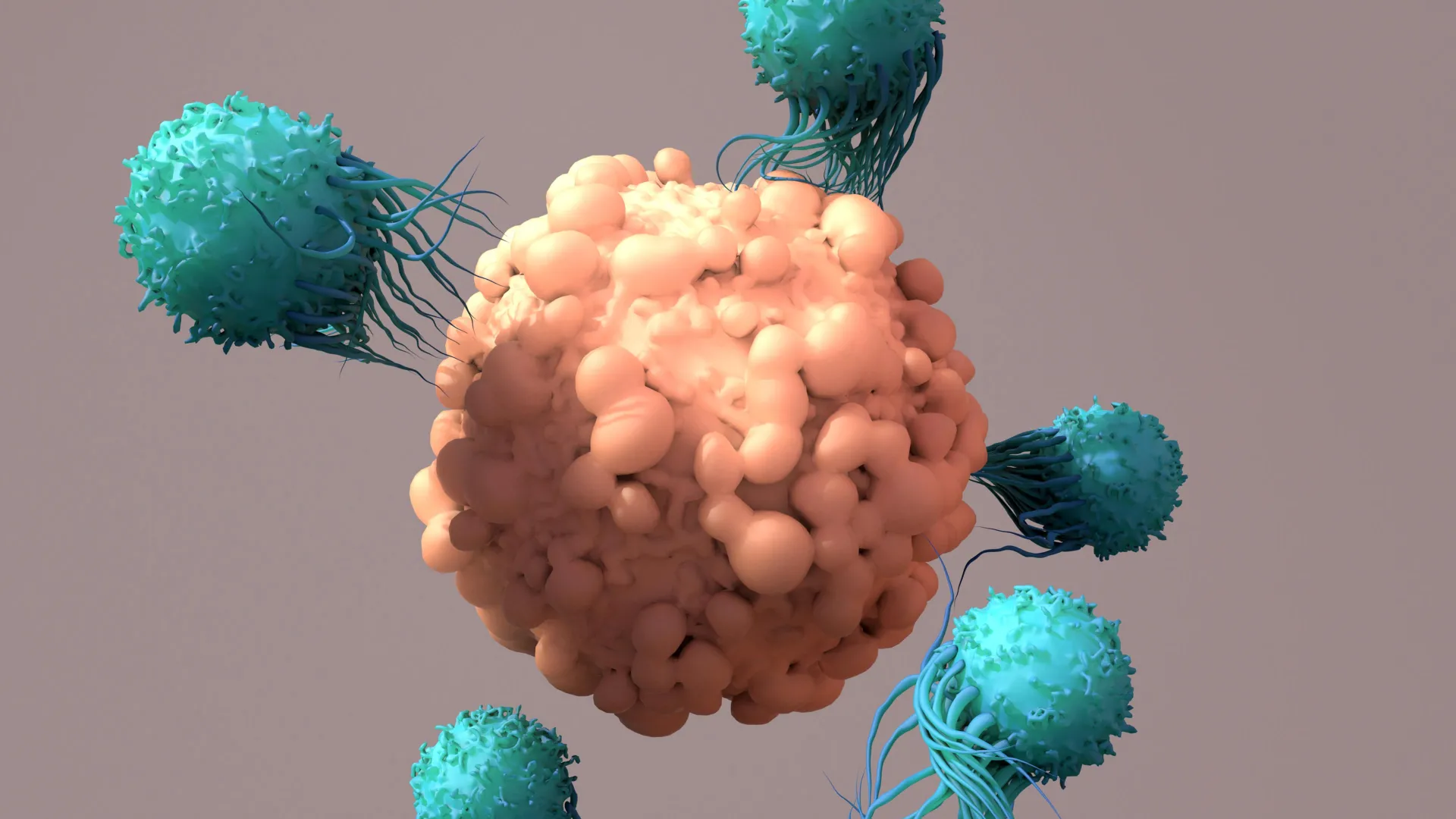
For patients battling blood cancers like leukemia and lymphoma, CAR T-cell therapy has become one of the most promising advances in modern medicine. These engineered immune cells have achieved remarkable remission rates in some cases, offering hope where traditional treatments fail. But a persistent challenge has limited their long-term success: the immune cells often lose their potency over time, leaving tumors to return.
Now, scientists have identified a single protein—NFIL3—that may explain why CAR T-cells become exhausted and stop working as effectively. When researchers disabled NFIL3 in lab and animal models, the cells remained stronger for longer, controlling tumors more effectively. The discovery, published in Nature and Science Translational Medicine, suggests a new target for improving CAR T-cell durability—a breakthrough that could expand treatment options for thousands of patients worldwide.
The implications are significant. CAR T-cell therapy, approved by the U.S. Food and Drug Administration (FDA) since 2017, has transformed care for certain cancers but remains limited by high costs, complex manufacturing, and—most critically—short-lived effectiveness. If NFIL3 proves to be a universal weakness in CAR T-cells, it could lead to more durable therapies, reducing relapse rates and improving survival for patients who currently face limited options.
How NFIL3 Weakens CAR T-Cells
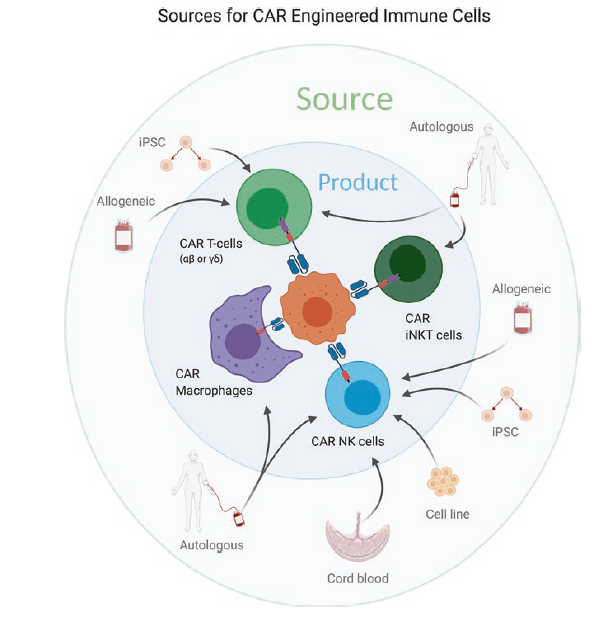
CAR T-cells are created by extracting a patient’s own immune cells, genetically modifying them to recognize cancer cells and then infusing them back into the body. While this approach has shown dramatic success—particularly in treating acute lymphoblastic leukemia (ALL) and large B-cell lymphoma—many patients experience relapse within months or years.
Researchers at Weizmann Institute of Science and Memorial Sloan Kettering Cancer Center (MSKCC) found that NFIL3—a protein involved in regulating immune cell function—plays a central role in this exhaustion. When NFIL3 is active, it triggers pathways that dampen the CAR T-cells’ ability to attack tumors, effectively “turning off” their cancer-fighting capabilities over time.
In animal studies, disabling NFIL3 led to CAR T-cells that maintained their activity for longer periods, suggesting that targeting this protein could be a strategy to enhance therapy durability. The findings align with broader research on immune exhaustion, a well-documented barrier in cancer immunotherapy that has also been observed in checkpoint inhibitor therapies like PD-1 inhibitors.
Why This Discovery Matters for Patients
For patients who have exhausted other treatment options, CAR T-cell therapy can be life-saving. However, the high cost—often exceeding $400,000 per course—and limited availability mean only a fraction of eligible patients receive it. If NFIL3 inhibition proves effective in humans, it could lead to:
- Longer-lasting remissions: Fewer relapses would reduce the need for additional treatments and improve quality of life.
- Broader applicability: Current CAR T-cell therapies are approved only for specific blood cancers; extending their durability could open doors for solid tumor treatments.
- Cost savings: If therapies remain effective longer, patients might require fewer infusions, lowering overall expenses.
Clinical trials are already underway to test CAR T-cell modifications, including strategies to enhance their persistence. For example, a phase 1 trial at the University of Pennsylvania is exploring ways to improve CAR T-cell longevity, though NFIL3 has not yet been directly targeted. The new research could accelerate these efforts.
Challenges Ahead: From Lab to Clinic
While the findings are promising, translating them into patient care will require careful validation. Key questions remain:
- Safety: Disabling NFIL3 could have unintended effects on immune function, potentially increasing risks of infections or autoimmune reactions.
- Manufacturing: Modifying CAR T-cells to disable NFIL3 would require new production protocols, adding complexity and cost.
- Tumor diversity: Different cancers may respond differently to NFIL3-targeted therapies, necessitating personalized approaches.
Experts emphasize that while NFIL3 is a compelling lead, it is unlikely to be the only factor limiting CAR T-cell efficacy. Other proteins and cellular pathways—such as TOX and PD-1—also contribute to exhaustion. A multi-pronged approach may be necessary to fully unlock the potential of CAR T-cell therapy.
What’s Next for CAR T-Cell Research?
Several research groups are actively investigating ways to improve CAR T-cell durability. In addition to NFIL3, scientists are exploring:
- Genetic engineering: Adding genes that enhance CAR T-cell survival, such as those involved in metabolic pathways.
- Combination therapies: Pairing CAR T-cells with checkpoint inhibitors or other immunotherapies to sustain their activity.
- Biomarker development: Identifying patient-specific factors that predict which individuals will benefit most from CAR T-cell therapy.
The National Cancer Institute (NCI) and organizations like the Cancer Research UK are funding studies to address these challenges. Meanwhile, companies like Novartis and Gilead Sciences—leaders in CAR T-cell development—are likely to incorporate these findings into future trials.
Patient Perspectives: Hope and Caution
For patients like James O’Reilly, a former executive who underwent CAR T-cell therapy for lymphoma in 2018, the news offers both hope and caution. “I was one of the lucky ones—my cancer went into remission for years,” O’Reilly told The New York Times. “But I know others who relapsed. If this research leads to longer-lasting treatments, it could change everything for people like me.”
Advocacy groups, such as the Lymphoma Research Foundation, are urging accelerated translation of these findings into clinical practice. “Every month that passes is a month a patient could be missing out on a potentially life-saving improvement,” said a foundation spokesperson.
Key Takeaways
- NFIL3 appears to be a major driver of CAR T-cell exhaustion, limiting their ability to sustain tumor control over time.
- Disabling NFIL3 in animal models improved CAR T-cell durability, suggesting a new therapeutic target.
- Clinical trials are already testing ways to enhance CAR T-cell longevity, though NFIL3-specific strategies are still in early stages.
- Broader challenges—including cost, manufacturing, and tumor heterogeneity—remain before these advances reach widespread patient care.
- Patients with blood cancers may see indirect benefits as research progresses, but solid tumor applications could take longer.
Where to Find Updates
For the latest developments in CAR T-cell research, monitor:
- ClinicalTrials.gov (for ongoing studies)
- FDA’s gene therapy updates
- American Society of Clinical Oncology (ASCO) conference reports
- European Hematology Association (EHA) publications
The next major checkpoint for CAR T-cell research will be the 2025 ASCO Annual Meeting, where early-phase trial results—including potential NFIL3-related strategies—are expected to be presented. In the meantime, patients and caregivers are encouraged to consult with oncologists specializing in cellular therapies for personalized guidance.
Have you or a loved one considered CAR T-cell therapy? Share your experiences or questions in the comments below—your insights may help others navigating this complex treatment landscape.