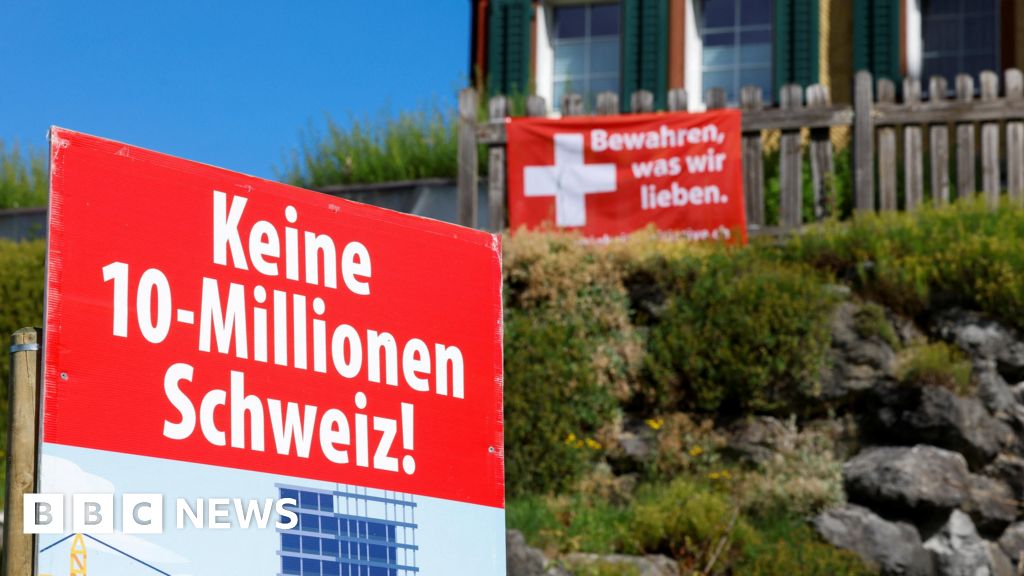
Swiss voters have decisively rejected a proposal to cap the country’s population at 10 million by restricting migration, according to official results from the November 24, 2024, referendum. Data from the Swiss Federal Chancellery confirmed that approximately 54.8% of voters opposed the initiative, which sought to constitutionally mandate government action to curb population growth if the threshold were approached. The result marks a significant defeat for the Swiss People’s Party (SVP), the country’s largest political grouping, which had championed the measure as a necessary step to address infrastructure strain and housing shortages.
The rejection of the “10 Million Initiative” reflects a broader debate within Switzerland regarding the balance between economic prosperity and social sustainability. While proponents argued that rapid growth threatens the quality of life and public services, opponents—including the Federal Council and a majority of the Swiss parliament—warned that such a cap would jeopardize the nation’s bilateral agreements with the European Union and stifle the labor market. The Swiss Federal Council officially advised voters to reject the proposal, citing the risk of isolating the country from its primary trading partners.
The Arguments Behind the 10 Million Initiative
The proposal, formally titled “For a sustainable population: Stop the 10 million-Switzerland!,” was launched by the SVP to address concerns over the rapid rise in the resident population. According to the Swiss Federal Statistical Office, the country’s population surpassed 9 million in 2023, driven largely by immigration. The initiative proposed that if the population reached 9.5 million, the government would be required to implement strict measures, including the potential termination of international treaties related to the free movement of people.

Supporters of the measure argued that Switzerland’s current infrastructure, including its rail network, electrical grid, and housing sector, could not sustainably support a population exceeding 10 million. They characterized the vote as a mandate for “sovereignty” and a way to protect the Swiss landscape from over-development. However, the proposal faced intense criticism from business associations, who argued that restricting migration would exacerbate existing labor shortages in key sectors such as healthcare, hospitality, and engineering.
Impact on Bilateral Relations and the Economy
A central pillar of the opposition campaign was the potential fallout regarding Switzerland’s relationship with the European Union. Because Switzerland is not an EU member, its economic integration is largely managed through a series of bilateral accords, many of which are contingent upon the free movement of persons. Legal analysts and government ministers warned that adopting the cap would force the government to unilaterally breach these agreements, risking retaliatory measures from Brussels.
The Swiss Directorate for European Affairs has consistently maintained that the bilateral approach is the foundation of the country’s economic stability. By rejecting the initiative, voters have effectively signaled a preference for maintaining these ties, even amid ongoing concerns regarding population density. The outcome provides a measure of certainty for businesses that rely on the ability to recruit skilled workers from within the European Single Market.
What Happens Next in Swiss Policy
With the initiative formally defeated, the Swiss government is expected to continue its current approach to managing migration through existing quotas and bilateral negotiations. The result does not signify an end to the political discourse surrounding migration; rather, it shifts the focus back to domestic policy solutions. The government has already signaled intentions to address housing supply and infrastructure capacity through internal planning reforms, rather than through demographic caps.

The next major checkpoint for Swiss immigration policy involves ongoing negotiations with the European Union aimed at stabilizing and potentially expanding the bilateral framework. Citizens seeking further updates on legislative developments or official election statistics can monitor the Swiss government’s centralized portal for elections and referendums. We encourage readers to share their thoughts on these developments in the comments section below or join the discussion on our social media channels.