The Siberian Molar: Uncovering the Earliest Evidence of Neanderthal Dentistry
In the frozen reaches of Siberia, where the permafrost preserves the remnants of a vanished world, a single fossilized molar is rewriting the history of human medicine. For decades, our understanding of Neanderthal intelligence was often framed by their ability to craft tools and master fire. However, a groundbreaking discovery of a 59,000-year-old molar suggests a much more sophisticated layer of social and cognitive complexity: the practice of primitive dentistry.
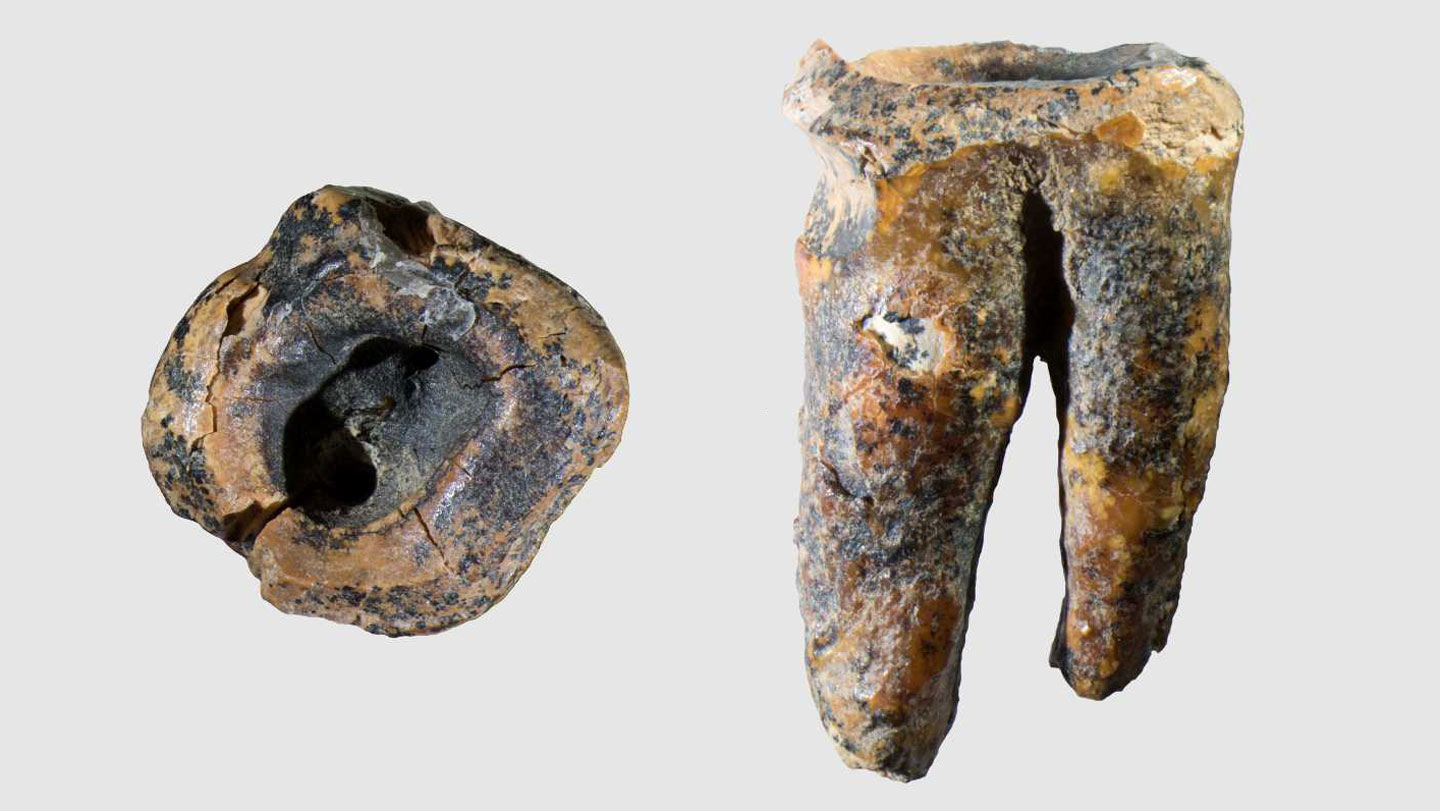
The specimen, unearthed from a site in the Siberian wilderness, bears microscopic marks that are far from the random wear of a hunter-gatherer’s diet. Instead, researchers have identified precise, intentional grooves consistent with the use of a stone tool to drill into the tooth. This find represents what many paleoanthropologists are calling the earliest evidence of intentional dental intervention, suggesting that our ancient cousins were not merely surviving the elements, but were actively managing the pain and pathologies of their community.
As a physician, I find this discovery particularly profound. It moves the needle from seeing Neanderthals as purely instinctual survivors to seeing them as practitioners of a rudimentary form of healthcare. This isn’t just about a tooth; it is about the emergence of empathy, the recognition of suffering, and the technical skill required to attempt a medical remedy.
Decoding the Marks: Intentionality vs. Natural Decay
One of the most significant challenges in paleoanthropology is distinguishing between natural biological processes and intentional human action. In the case of this Siberian molar, the distinction lies in the morphology of the lesions. Natural dental decay, or caries, typically follows a predictable pattern of erosion caused by bacterial acids. These patterns are often irregular and follow the natural fissures of the enamel.
The marks on this 59,000-year-old specimen, however, tell a different story. Using high-resolution microscopic analysis, researchers identified linear, parallel striations within the drilled area—signatures that are characteristic of a lithic (stone) tool being applied with controlled pressure. This level of precision suggests a deliberate attempt to penetrate the enamel, likely to reach a site of infection or to alleviate the pressure caused by an abscess.
While the term “dentistry” might evoke images of modern sterile clinics, this prehistoric version was undoubtedly a high-stakes endeavor. The process likely involved using a sharp flint or similar stone implement to scrape or drill into the tooth. The goal was not aesthetic, but functional: the management of acute dental pain, which, in a pre-antibiotic era, could be a life-threatening condition if an infection spread to the jaw or bloodstream.
The Siberian Context: A Window into Neanderthal Life
The location of this find is as critical as the tooth itself. Siberia has become a cornerstone for understanding the complex migrations and interactions of archaic humans. The region has yielded not only Neanderthal remains but also significant evidence of the Denisovans, another group of archaic humans who shared the landscape with both Neanderthals and early Homo sapiens.
The presence of Neanderthals in these high-latitude environments demonstrates their remarkable physiological and cultural plasticity. To thrive in the Siberian climate, these populations required advanced clothing, sophisticated fire management, and robust social structures. The discovery of dental care fits seamlessly into this picture of a highly adapted, socially cohesive group. If a member of the tribe was suffering from a debilitating toothache, the group’s survival depended on that individual’s ability to continue contributing—making the “medical” intervention a logical, albeit primitive, necessity.
The Cognitive Leap: From Tool Use to Medical Care
What does this discovery tell us about the Neanderthal mind? To perform a procedure like dental drilling, an individual must possess several advanced cognitive traits:
- Fine Motor Control: The ability to apply precise, controlled pressure with a stone tool on a small, hard surface.
- Problem-Solving Skills: Recognizing that a specific physical sensation (pain) can be addressed through a targeted external action.
- Forethought and Planning: The selection of specific tools for a specific purpose, moving beyond general-purpose survival tools to specialized implements.
- Empathy and Social Care: The willingness to dedicate time and resources to treating a community member, which is a hallmark of advanced social evolution.
This discovery challenges the long-held “cognitive gap” theory, which often posited that Homo sapiens possessed a unique capacity for abstract thought and complex social care that Neanderthals lacked. If Neanderthals were performing rudimentary medical procedures, the boundary between “human” and “archaic” becomes increasingly blurred.
Evolutionary Medicine: A Long History of Pain Management
From a medical history perspective, this find provides a missing link in our understanding of evolutionary medicine. We often view the history of medicine as a linear progression starting with ancient civilizations like the Egyptians or Greeks. However, the Siberian molar proves that the impulse to treat pain and infection is as old as our species’ ancestors.

In the prehistoric world, dental infections were not merely uncomfortable; they were catastrophic. An untreated abscess in a mobile, hunter-gatherer population could lead to sepsis, systemic infection, or death. By attempting to drill into the tooth, Neanderthals were engaging in a form of risk management. Even if the success rate was low, the attempt represents a fundamental shift in how early humans interacted with their own biology.
This practice likely paved the way for other forms of prehistoric medicine, such as the use of medicinal plants or the application of poultices. It suggests that the concept of “healing” was already a part of the Neanderthal cultural toolkit, long before the advent of written records or formal medical schools.
Key Takeaways: Neanderthal Dental Discovery
| Feature | Details |
|---|---|
| Specimen Age | Approximately 59,000 years old |
| Location | Siberia (Archaic human site) |
| Primary Evidence | Microscopic stone-tool striations on a molar |
| Significance | Earliest evidence of intentional dental intervention |
| Implication | Advanced cognitive and social care capabilities |
Looking Forward: The Future of Paleo-Dentistry
This discovery is likely just the beginning. As imaging technologies like micro-CT scanning and advanced proteomic analysis become more accessible to paleoanthropologists, we can expect to find more evidence of how archaic humans managed their health. We are moving into an era where we can “read” the health history of our ancestors directly from their bones and teeth.

Future research will likely focus on determining the frequency of these interventions. Was this an isolated incident, or was “dentistry” a recognized, albeit rare, skill within certain Neanderthal groups? scientists will look to see if there is a correlation between dental health and the overall longevity of Neanderthal populations in different regions.
As we continue to unearth these fragments of the past, we are reminded that the history of medicine is not just a history of drugs and technology, but a history of the enduring human—and pre-human—drive to alleviate suffering.
Next Milestone: Researchers are currently preparing a comprehensive peer-reviewed report expected to be published in major scientific journals later this year, which will provide a full microscopic map of the tool marks found on the molar.
What do you think about this discovery? Does it change your view of our ancient ancestors? Share this article and join the conversation in the comments below.