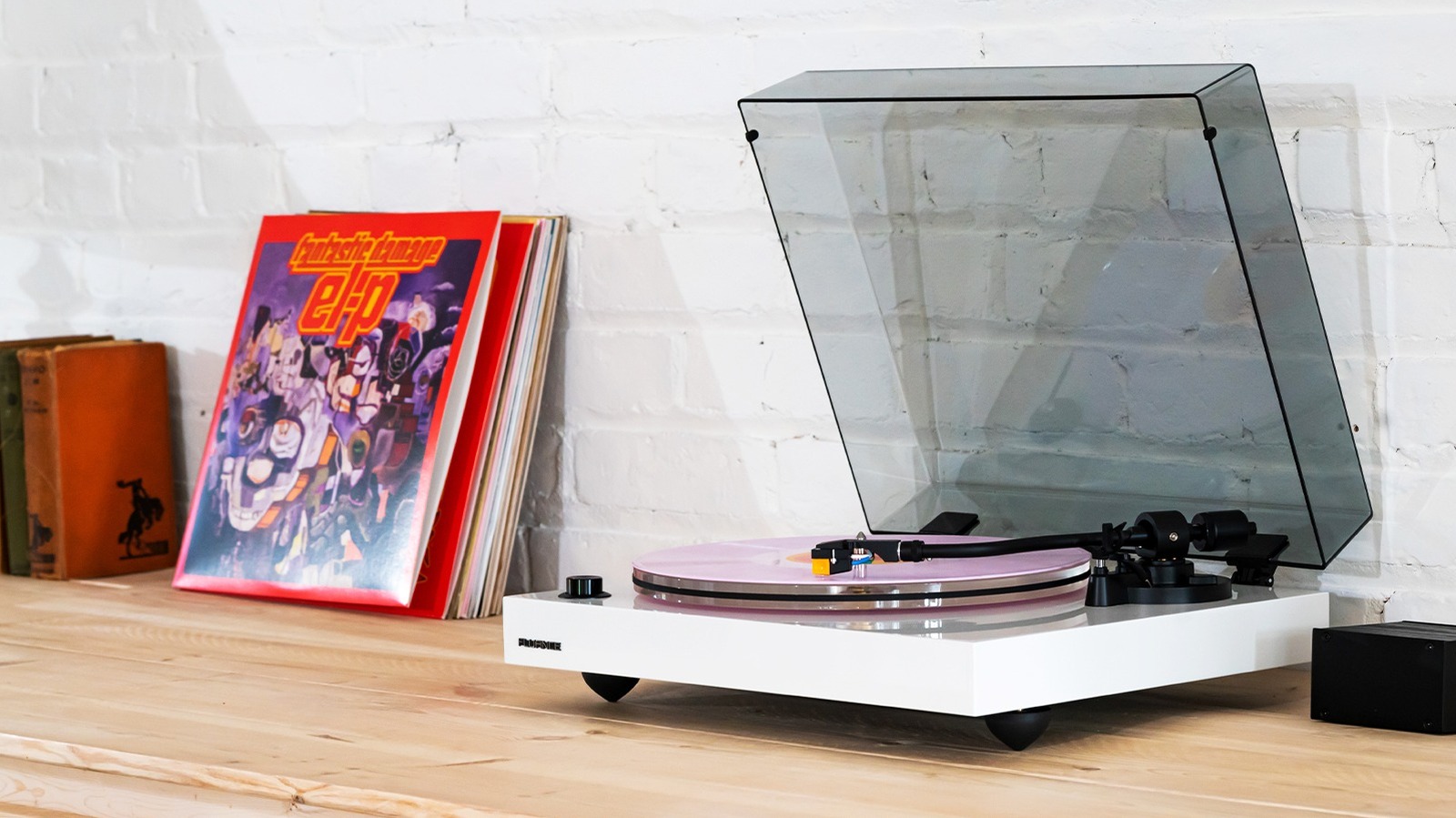
Vinyl enthusiasts shopping for a reliable setup in 2026 often face a harsh reality: ultra-cheap record players retailing around $50 frequently feature heavy tracking forces, ceramic cartridges, and unshielded motors that can wear down vinyl collections over time. Investing in a dependable turntable means looking past entry-level novelties toward engineering that protects records and delivers accurate sound reproduction. Major audio equipment manufacturers have responded to the market demand for quality analog playback by refining entry-and mid-tier models with adjustable counterweights, anti-skate controls, and built-in phono preamplifiers.
Choosing the right turntable involves balancing mechanical stability with modern convenience features like Bluetooth connectivity and USB ripping ports. According to consumer audio reviews from publications such as Sound & Vision, units featuring replaceable cartridges and belt-drive mechanisms provide significantly better longevity and upgrade paths than fixed-component alternatives. For buyers stepping up from budget hardware, spending a bit more secures a stable platter, lower wow-and-flutter ratings, and vastly superior sonic clarity.
Understanding the Mechanical Differences in Modern Turntables
The core distinction between a sub-$50 record player and a worthwhile turntable lies in the tonearm assembly and cartridge type. Cheap players typically use rigid, unadjustable tonearms that track at forces exceeding 5 grams, whereas quality entry-level decks utilize gimbal-bearing tonearms with adjustable counterweights designed to track between 1.5 and 2.5 grams. This reduction in downward pressure preserves the delicate high-frequency grooves on vinyl records.
Furthermore, reputable audio brands incorporate structural dampening into their plinths to isolate the stylus from external vibrations. Turntables equipped with heavy MDF plinths or specialized rubber feet successfully prevent acoustic feedback—a common issue where low-frequency bass from speakers travels back into the pickup cartridge. According to hardware specifications published by audio manufacturers, belt-drive systems also decouple the motor from the platter far more effectively than cheap direct-drive motors, minimizing unwanted rumble.
Key Features to Evaluate Before Purchase
Shopping for a turntable in 2026 requires assessing which modern conveniences fit an existing audio system. While purists prefer pure analog signal paths, many users value built-in phono stages that allow direct connection to powered bookshelf speakers or soundbars. When evaluating potential purchases, buyers should examine several critical specifications:
- Cartridge Upgradability: Look for standard half-inch mount headshells or tonearms that permit stylus and cartridge replacements from brands like Audio-Technica, Ortofon, or Grado.
- Platter Material: Aluminum or acrylic platters offer better rotational speed stability and less static buildup compared to lightweight stamped plastic platters.
- Speed Control: Electronic speed switching between 33 1/3 and 45 RPM eliminates the manual hassle of moving belts around motor pulleys.
- Connectivity: Built-in Bluetooth transmitters offer wireless placement flexibility, though a wired phono cable connection remains the gold standard for fidelity.
Longevity and Vinyl Preservation
Protecting a record collection is the primary justification for avoiding bottom-tier hardware. A properly balanced tonearm with an elliptical or conical diamond stylus tracks cleanly within the groove walls, whereas sapphire or ceramic styli found on bargain players can cause accelerated wear after only a few dozen plays. Over time, the cost of replacing worn-out vinyl far outweighs the initial savings of a bargain-bin turntable.
Industry analysts note that the resurgence of physical media has driven manufacturers to improve quality control standards across lower-priced brackets. Brands continue to refine motor isolation and tonearm geometry, ensuring that even moderately priced decks deliver performance that satisfies casual listeners and dedicated collectors alike.
Next Steps for Prospective Buyers
Before making a purchase, prospective buyers should consult manufacturer specification sheets and verified audio testing publications to compare wow-and-flutter figures, signal-to-noise ratios, and cartridge compliance. Reviewing return policies and warranty terms with authorized dealers also ensures protection against mechanical defects. Additional announcements regarding spring audio equipment lineups are expected at upcoming consumer electronics conventions later this year.
Have questions about setting up a new turntable or choosing compatible speakers? Share your thoughts and experiences in the comments below.