
As we navigate the operational demands of 2026, the necessity for robust communication infrastructure has never been more critical. For businesses scaling their customer service operations, selecting the right Interactive Voice Response (IVR) software is a foundational decision. Modern IVR systems have evolved far beyond the basic “press one for sales” menus of the past, moving toward sophisticated conversational AI interfaces that can handle complex inquiries, authenticate callers, and integrate seamlessly with existing CRM platforms.
I’m Linda Park, and in my years covering the intersection of software engineering and digital transformation, I have seen how the right automation tools can drastically reduce hold times and improve agent efficiency. Whether you are a lean startup or a global enterprise, the goal remains the same: empowering customers to find answers independently while ensuring your team is only alerted when human intervention is truly required. In this guide, we explore the top-tier solutions that are shaping the landscape of automated telephony this year.
Understanding the Shift to Conversational IVR
The transition from traditional DTMF (Dual-Tone Multi-Frequency) systems—the button-pressing menus we are all familiar with—to Natural Language Processing (NLP) powered systems represents one of the most significant shifts in customer experience (CX) technology. These next-generation conversational IVR platforms utilize machine learning to understand caller intent, allowing for a more fluid, human-like interaction. This technology is not merely about novelty; it is about reducing friction in the customer journey.
When evaluating these systems, IT decision-makers should prioritize solutions that offer omnichannel integration. A modern IVR should not exist in a silo; it must communicate with your helpdesk software, sales database, and internal ticketing systems. By ensuring that customer data is accessible in real-time, these platforms allow for personalized greetings and context-aware routing, which are essential for maintaining high customer satisfaction scores in an increasingly digital-first world.
Key Criteria for Evaluating IVR Performance
Before committing to a provider, it is essential to look past the marketing literature and focus on the technical architecture. Security, scalability, and ease of deployment are the pillars of a successful implementation. According to guidelines provided by the Cybersecurity and Infrastructure Security Agency (CISA), organizations must prioritize the security of their voice infrastructure to prevent toll fraud and unauthorized access to sensitive customer data.
consider the administrative overhead. Does the platform require a dedicated software engineer to update call flows, or does it offer a low-code/no-code drag-and-drop interface? For many mid-market businesses, the ability to modify routing logic in response to seasonal demand or marketing campaigns without opening a Jira ticket for the IT department is a primary driver for software selection.
The Evolution of Customer Self-Service
The primary value proposition of advanced IVR software is its ability to facilitate true self-service. When a system is configured correctly, it can handle routine tasks—such as checking order status, resetting passwords, or updating account information—without ever involving a human agent. This “deflection” is not about avoiding customers; it is about respecting their time and freeing your human staff to handle the high-empathy, complex issues that truly require personal attention.

As we look toward the remainder of 2026, we expect to see further integration of generative AI into these flows. While traditional IVR follows a rigid decision tree, AI-driven systems are beginning to offer dynamic, unpredictable conversations that adapt to the specific phrasing and sentiment of the caller. This requires robust testing and careful configuration to ensure that the AI remains within the guardrails set by your organization’s compliance and quality assurance teams.
Future-Proofing Your Communication Infrastructure
Selecting an IVR provider is a long-term commitment. You are not just buying a software license; you are choosing a partner that will manage your company’s front-line interaction with the world. I recommend scheduling a sandbox demonstration with any potential vendor to test their latency, voice recognition accuracy, and the responsiveness of their support team.
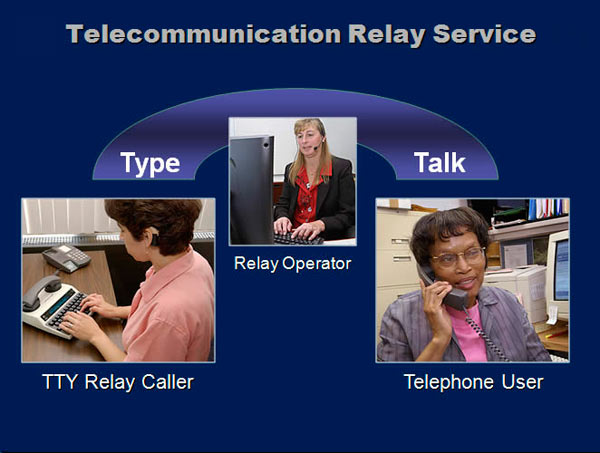
If you are currently evaluating your telephony stack, consider how these tools integrate with your existing Telecommunications Relay Services (TRS) requirements and broader accessibility standards. Ensuring that your automated systems are accessible to all users is not only a best practice for inclusivity but is also a legal requirement for many organizations operating in the United States under the Americans with Disabilities Act. Staying compliant while innovating is the hallmark of a mature technology strategy.
For those interested in deeper technical analysis or further updates on telephony standards, I encourage you to share your experiences in the comments section below. We will be tracking the latest software updates and industry benchmarks throughout the year, so keep an eye on our upcoming features for more in-depth reviews and comparative analysis.
Keep reading