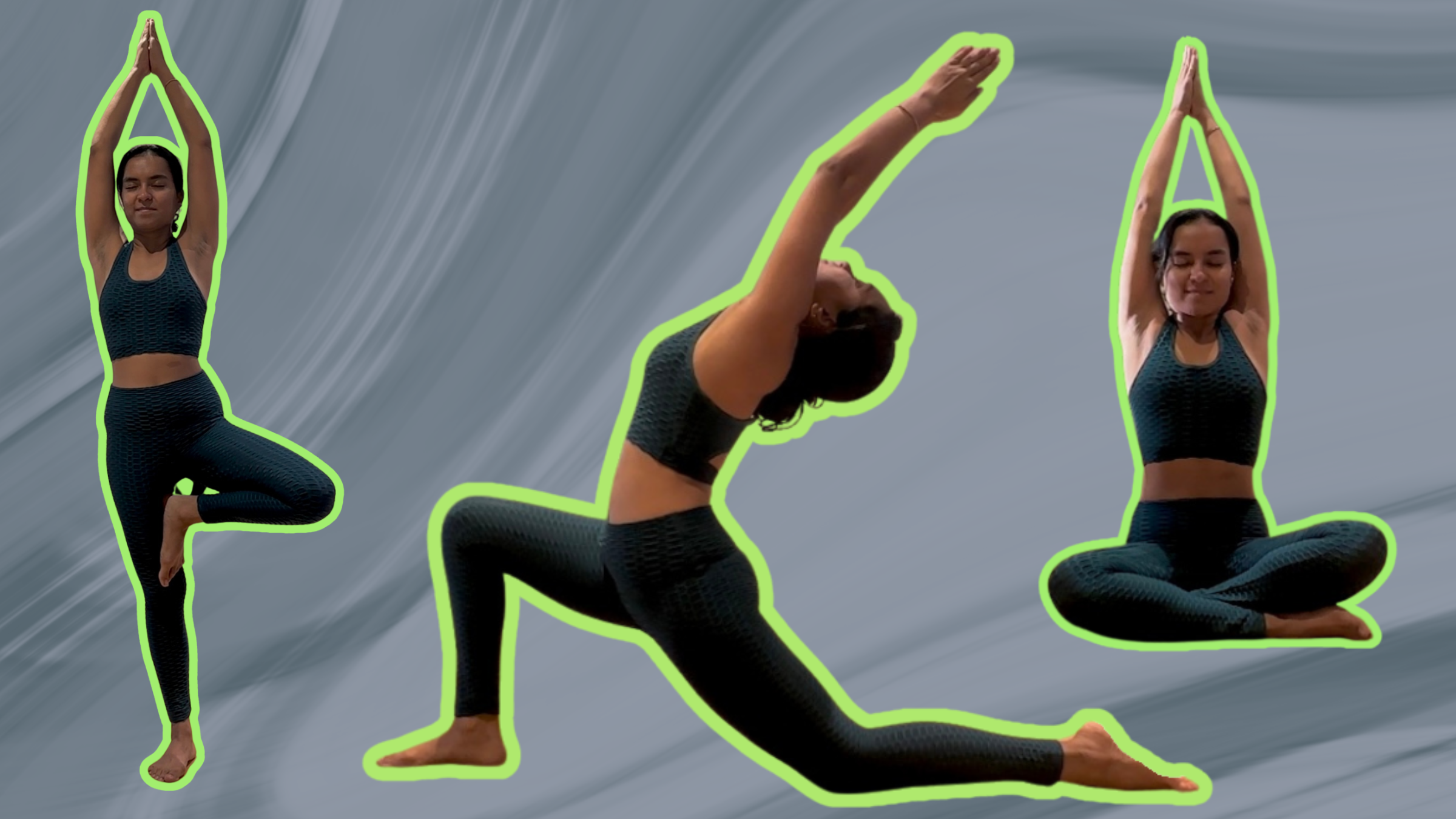
Yoga practice offers a structured approach to building self-assurance through the integration of physical postures, breath control, and focused attention. By systematically challenging the body and calming the nervous system, practitioners can develop a heightened sense of agency and emotional resilience. According to the National Institutes of Health (NIH), yoga is increasingly recognized as a complementary health approach that may help manage stress and improve overall mental well-being, which are foundational elements for cultivating personal confidence.
As a physician, I have observed how the deliberate nature of yoga allows individuals to move beyond mere physical fitness. When you engage in a consistent practice, you are not just performing movements; you are training your brain to remain steady under pressure. Below are six evidence-informed ways to utilize yoga as a tool for strengthening your sense of self.
1. Cultivating Stability Through Standing Poses
Standing postures, such as Virabhadrasana (Warrior poses) and Tadasana (Mountain Pose), require a firm connection to the ground. These poses demand engagement of the core and leg muscles, which can physically reinforce a sense of groundedness. Research published in the International Journal of Yoga suggests that regular practice of Hatha yoga postures can lead to improved physical self-efficacy—the belief in one’s ability to succeed in specific situations. By focusing on your base of support, you can translate this physical stability into a feeling of mental poise.
2. Managing Stress Response via Controlled Breathing
Confidence is often undermined by the physiological symptoms of anxiety, such as a rapid heart rate or shallow breathing. Pranayama, or yogic breath control, provides a mechanism to regulate the autonomic nervous system. A study by the Harvard Medical School highlights how mindful breathing techniques can dampen the activity of the sympathetic nervous system, helping to mitigate the “fight or flight” response. When you learn to control your breath during a challenging pose, you are practicing how to remain composed during stressful life events.
3. Developing Resilience Through Sustained Effort
Confidence is rarely an innate trait; it is often built through the experience of overcoming minor difficulties. Holding a pose, especially one that tests your endurance, teaches you to tolerate discomfort rather than immediately retreating. This practice of “staying with” a sensation builds psychological resilience. According to the American Psychological Association (APA), developing the capacity to navigate stress is essential for maintaining confidence in one’s ability to cope with life’s challenges.
4. Enhancing Proprioception and Body Awareness
Yoga improves proprioception—the body’s ability to sense its position in space. When you become more attuned to your physical movements and limitations, you develop a more accurate and positive relationship with your body. This heightened awareness can lead to improved posture, which has been linked in psychological research, such as studies on “power posing,” to shifts in subjective feelings of dominance and confidence. By moving with intention, you reclaim agency over your physical presence.
5. Practicing Non-Judgment and Self-Compassion
The philosophical component of yoga encourages practitioners to observe their thoughts without harsh judgment. This is often referred to in traditional texts as Santosha, or contentment. By shifting the focus from “perfecting” a pose to simply experiencing the practice, you can reduce the internal criticism that frequently erodes confidence. Integrating mindfulness into your sessions helps you cultivate a more supportive internal dialogue, which is a key predictor of long-term self-esteem.
6. Establishing Consistency as a Predictor of Success
The habit of showing up to the mat, regardless of how you feel, creates a track record of reliability to yourself. When you honor the commitment to practice, you reinforce the belief that you are capable of achieving your goals. This cumulative effect is documented in behavioral science; consistent engagement in a healthy habit builds self-efficacy by providing tangible evidence of your discipline and progress. Over time, this consistency becomes a reliable foundation upon which you can build confidence in other areas of your life.
For those interested in the clinical benefits of mind-body practices, the National Center for Complementary and Integrative Health provides resources on current research into how yoga affects mood and anxiety. While yoga is a powerful tool for personal growth, it is important to remember that it is most effective when practiced with consistency and patience. If you are beginning a new exercise regimen, consider consulting with a healthcare professional to ensure the movements are appropriate for your physical health status.
How has your movement practice influenced your daily outlook? I invite you to share your experiences or questions regarding the integration of yoga into your routine in the comments section below.