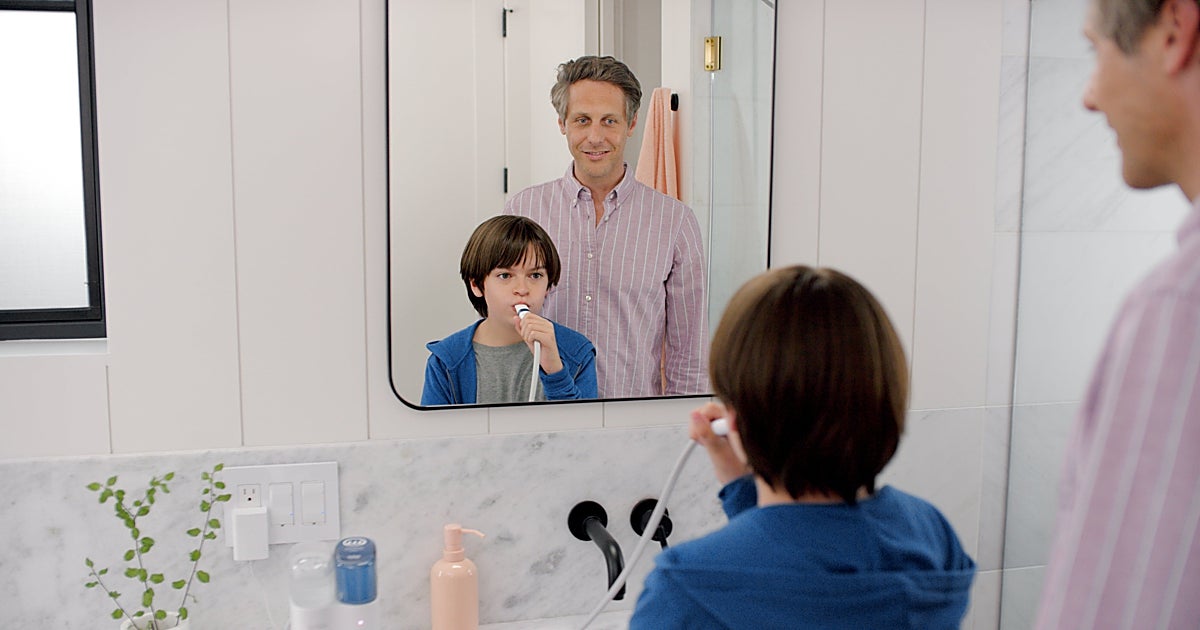
Dental health professionals generally recommend replacing your toothbrush every three months, or sooner if the bristles show visible signs of wear. While individual usage habits vary, maintaining the structural integrity of the brush head is essential for effective plaque removal and the prevention of gingival irritation.
As a physician, I often emphasize that oral hygiene is not merely about the frequency of brushing, but the quality of the tools used. When a toothbrush is new, the filaments are designed to be firm, straight, and properly aligned to reach difficult areas between teeth and along the gum line. Over time, these filaments lose their tension, splay outward, and become less effective at disrupting biofilm, according to guidelines from the American Dental Association (ADA).
The Mechanics of Filament Degradation
The primary reason for replacing a toothbrush relates to the mechanical degradation of the nylon bristles. During daily use, the friction against tooth surfaces and the pressure applied by the user cause the filaments to bend and lose their original shape. Once the bristles are frayed or splayed, they can no longer reach into the interproximal spaces effectively.
Furthermore, an older, damaged toothbrush may become a reservoir for bacteria. The Centers for Disease Control and Prevention (CDC) notes that while it is normal for toothbrushes to harbor microorganisms from the mouth, keeping a brush beyond its functional lifespan increases the risk of debris accumulation. If the bristles are no longer performing their task, the mechanical removal of plaque—the leading cause of periodontal disease and cavities—is significantly compromised.
Establishing a Consistent Replacement Schedule
While the standard advice is a three-month interval, many clinicians suggest assessing the brush head every eight weeks to determine if replacement is necessary. Factors that may accelerate the need for a new brush include:
- Brushing pressure: Individuals who apply excessive force often cause bristles to splay much faster than the average user.
- Illness: It is standard medical advice to replace your toothbrush after recovering from a viral or bacterial infection, such as a cold, flu, or throat infection, to avoid reintroduction of pathogens.
- Bristle quality: Soft-bristled brushes, which are recommended by the majority of dental associations to protect enamel and gum tissue, may show signs of wear more quickly than medium or hard brushes.
According to the National Health Service (NHS), the most important factor is the condition of the brush. If you notice the filaments are no longer standing upright or are visibly bent, the brush should be discarded regardless of how much time has passed since it was first used.
Optimizing Your Daily Oral Care Routine
Beyond the timing of replacement, the storage of your toothbrush plays a critical role in its longevity and safety. Brushes should be stored in an upright position to allow them to air-dry completely between uses. Storing a damp brush in a closed container creates a humid environment that can promote the growth of microorganisms.
It is also important to remember that a toothbrush is a personal hygiene tool. Sharing a toothbrush is strongly discouraged by dental professionals, as it facilitates the exchange of bodily fluids and microorganisms, potentially increasing the risk of infection. For those using electric toothbrushes, the same principles apply: replace the head when the indicator bristles fade or when the physical structure of the filaments begins to degrade.
Maintaining a consistent schedule for replacing your oral care tools is a simple yet effective practice in preventive medicine. By monitoring the state of your toothbrush regularly, you ensure that your daily routine remains as effective as possible in protecting your long-term dental health. For further updates on oral hygiene standards, visit the official resources provided by your national dental health authority. If you have specific concerns regarding your gum health or plaque accumulation, please consult with your primary dentist during your next scheduled check-up.