
The intersection of national politics and global health often creates a volatile space, but few decisions carry as much weight as the choice to detach from the world’s primary health coordinating body. In Argentina, this tension has reached a breaking point following the national government’s decision to withdraw from the World Health Organization (WHO). While the move is framed by the administration as a matter of political sovereignty and a critique of the organization’s pandemic-era handling, those who managed the crisis on the ground view the exit with profound alarm.
Among the most vocal critics is Dr. Juan Pedro Achaga, a physician who served as the director of the Municipal Hospital in Rauch. Having led the local health system through the peak of the COVID-19 pandemic, Dr. Achaga possesses a vantage point that bridges the gap between high-level policy and the visceral reality of infectious disease management. For him, the decision to leave the WHO is not merely a political statement but a risk to the fundamental safety of the Argentine population.
Speaking on the matter in March 2026, Dr. Achaga characterized the government’s move as “unwise, untimely, and dangerous for the public health interests of all Argentines.” His perspective is rooted in the experience of managing a healthcare system under extreme pressure, where international guidelines provided the only reliable map in an uncharted territory. To Achaga, the current trajectory represents a “barbarity” that prioritizes political alignment over medical prudence.
The Rural Battle: COVID-19 in Rauch and Udaquiola
To understand why a local hospital director is so concerned about global health diplomacy, one must seem at the specific challenges faced in the rural districts of Argentina. During the pandemic, Dr. Achaga was tasked with maintaining health security in Rauch and surrounding areas, a challenge that often involved battling not just a virus, but a lack of cooperation and information.
One of the most poignant examples of this struggle occurred in the rural locality of Udaquiola, within the Ayacucho district. Dr. Achaga reported two distinct coronavirus outbreaks in different rural establishments in the area according to local health alerts. The situation was exacerbated by a critical failure in contact tracing: three affected individuals refused to provide information regarding their contacts, making it nearly impossible for health authorities to track the spread of the virus within the Rauch community.
This experience highlighted the fragility of public health in rural settings. Dr. Achaga was forced to appeal directly to the public, urging residents who had visited Udaquiola or had contact with people from that area to report themselves to the health authorities immediately. The difficulty of managing these “blind spots” in epidemiology underscores the necessity of standardized, evidence-based protocols—the very protocols the WHO provides to member states.
The personal toll of the pandemic was as well evident. At one point, Dr. Achaga himself was required to enter preventive isolation after a close contact tested positive for the coronavirus, leaving the hospital’s leadership temporarily in the hands of sub-director Rosana Vélez as reported by local news. This cyclical nature of risk—where the leaders of the health system are as vulnerable as the patients they treat—further reinforces the need for a robust, internationally supported health framework.
The Global Safety Net: Why the WHO Matters
The current administration under President Javier Milei has questioned the WHO’s actions during the pandemic, mirroring a policy stance previously seen in the United States under Donald Trump. However, Dr. Achaga argues that regardless of political tensions or the “nuances” each country may apply to its own health policies, the WHO provides a central, indispensable framework for global health.
According to Dr. Achaga, the WHO’s role is central to three critical areas of public health:
- Scientific Backing: The organization provides the necessary support for scientific studies that inform treatment and prevention strategies.
- International Coordination: The WHO coordinates responses to health crises that cross borders, ensuring that a surge in one region is communicated and managed globally.
- Vaccination Campaigns: The design and implementation of large-scale vaccination efforts rely heavily on the general frameworks established by the WHO.
During the height of the pandemic, Dr. Achaga noted that Argentina and the rest of the world relied on the organization’s recommendations to navigate the crisis. While he acknowledges that tension existed between national governments and the organization, he maintains that the general framework provided by the WHO was the primary guide for saving lives.
Political Alignment vs. Public Health
The official confirmation of Argentina’s exit from the WHO came via Chancellor Pablo Quirno, aligning the nation’s foreign policy with the views of President Javier Milei. Dr. Achaga interprets this shift not as a medical or administrative necessity, but as a political movement. He has pointed to the “impressive” alignment between Milei’s administration and the United States as a driving force behind the decision as detailed in his recent statements.
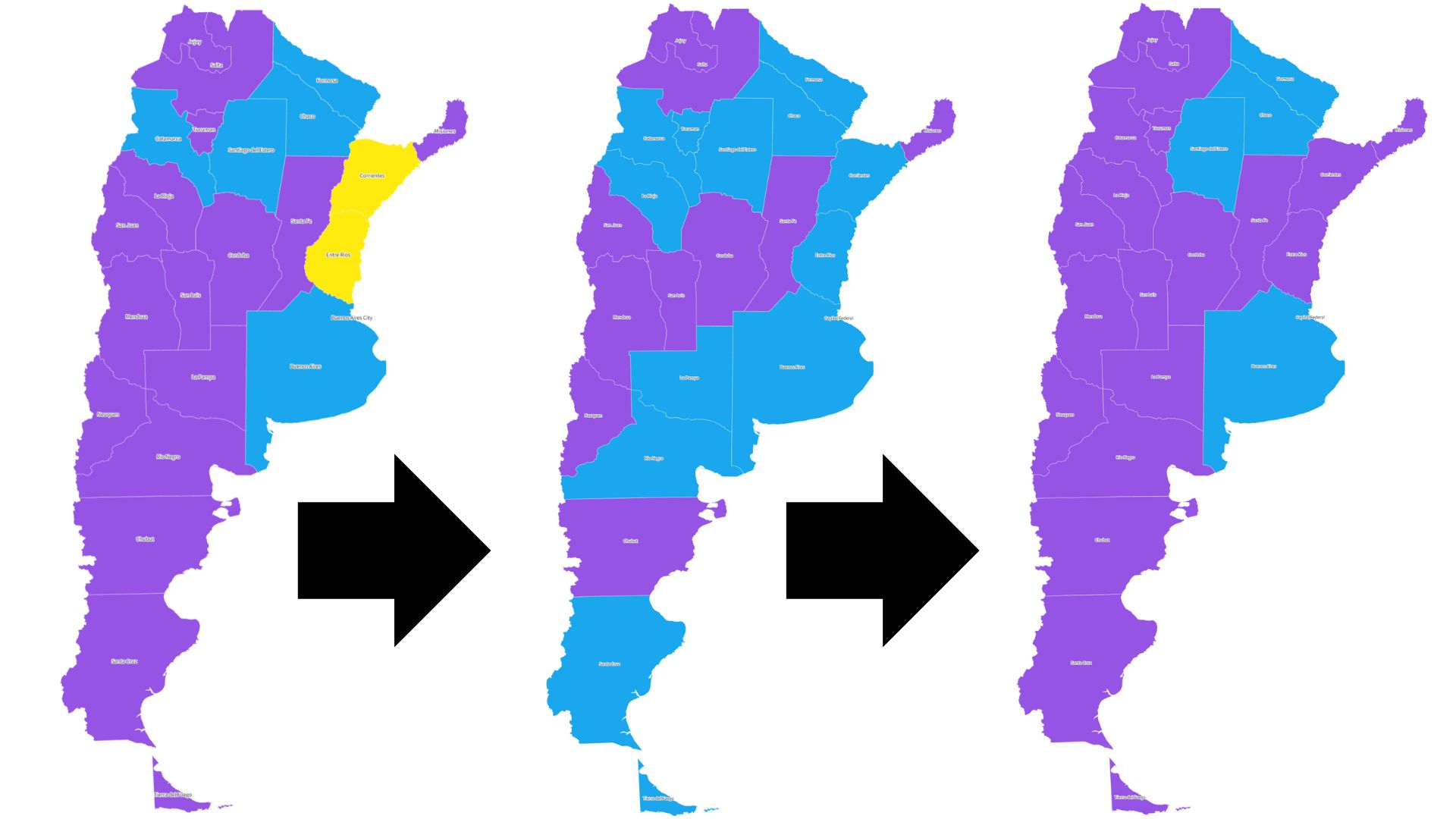
From a medical perspective, the danger of such a withdrawal is the loss of real-time data and the erosion of standardized health responses. When a country exits the WHO, it effectively steps away from the global table where emerging threats are identified and countered. For a physician like Achaga, who has seen how a single social gathering in a rural field in Udaquiola can spark a localized crisis, the idea of disconnecting from global surveillance is an unacceptable risk.
The debate now centers on whether a nation can realistically maintain a modern public health system in total isolation from the world’s primary health authority. While the Milei administration suggests that Argentina can define its own sanitary policies independently, the medical community—represented by voices like Dr. Achaga—warns that health is a global commodity that cannot be managed within national borders alone.
Key Takeaways on Argentina’s WHO Withdrawal
- Political Driver: The withdrawal is led by President Javier Milei and confirmed by Chancellor Pablo Quirno, reflecting a shift toward policies similar to those of Donald Trump.
- Medical Opposition: Former Rauch Hospital Director Dr. Juan Pedro Achaga describes the move as “dangerous” and “unwise,” citing the loss of scientific and coordinative support.
- Rural Impact: The pandemic experience in Rauch and Udaquiola demonstrated the difficulty of managing outbreaks without strict cooperation and standardized protocols.
- WHO’s Role: The organization is credited with providing the essential framework for vaccination campaigns and international sanitary responses.
As Argentina moves forward with its separation from the World Health Organization, the medical community remains on high alert. The next critical checkpoint will be the implementation of novel national health protocols intended to replace the WHO frameworks, and whether these will be sufficient to protect the population from future infectious disease outbreaks.
Do you believe national sovereignty should outweigh global health cooperation? Share your thoughts in the comments below or share this article to join the conversation on public health policy.
Related reading