
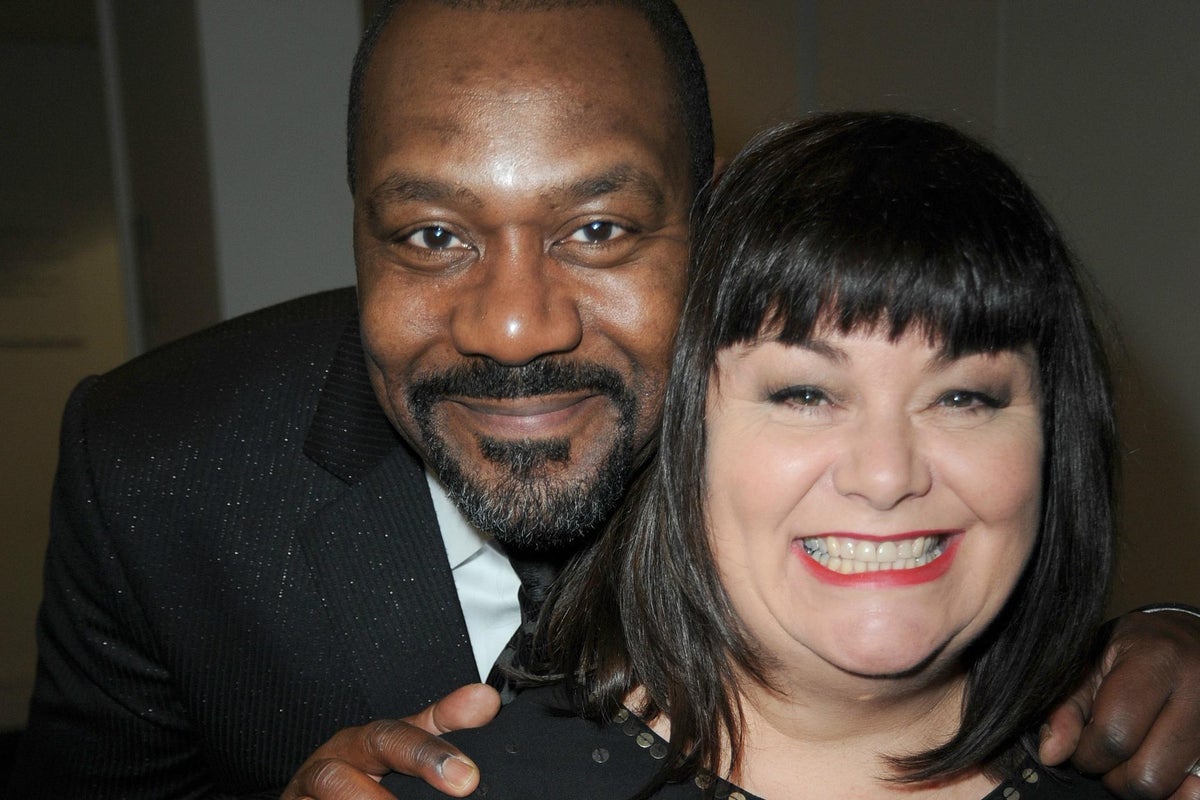
Lenny Henry, one of the most influential figures in British comedy, has revealed how a candid confrontation from comedian Dawn French forced him to re-evaluate his approach to racial humor. As the 67-year-old entertainer prepares for his first major return to stand-up comedy in 15 years, he is reflecting on the evolution of his craft and the necessity of moving beyond self-deprecating stereotypes.
The revelation comes at a significant moment in Henry’s career. After a decade and a half away from the solo stand-up circuit, the comedian is stepping back into the spotlight, bringing with him a more nuanced perspective on identity, race, and the responsibilities of a performer. His recent reflections highlight a profound shift from the observational, often trope-heavy comedy of the late 20th century to a more sophisticated understanding of how humor impacts cultural perceptions.
For decades, Henry was a household name, known for his ability to command both the television screen and the live stage. However, the transition from being a comedian who used his own race as a comedic tool to one who critiques the mechanisms of that very humor marks a major chapter in his professional journey.
How did Dawn French confront Lenny Henry over his comedy?
The turning point for Henry arrived through a moment of direct, unvarnished feedback from his long-time peer and friend, Dawn French. During a period when Henry was frequently utilizing self-deprecating jokes about his Black identity, French challenged the comedic value and the underlying implications of those bits.
According to Henry’s own recollections of the encounter, French did not approach the subject through a lens of political correctness, but rather through the perspective of a fellow professional. She reportedly pointed out that the jokes he was making about himself—often playing into established racial caricatures—were not actually funny. Instead, she suggested they were simply reinforcing stereotypes that the audience already expected to see.
This confrontation served as a catalyst for Henry to examine the distinction between “punching up” or “punching sideways” and the unintentional harm caused by “punching down” at oneself. He realized that by leaning into certain tropes to elicit a quick laugh, he was potentially limiting the depth of his comedy and participating in a cycle of caricature that did little to advance the representation of Black performers in the industry.
This realization has clearly shaped his current comedic philosophy. Rather than avoiding the topic of race, Henry has moved toward exploring the complexities of the Black British experience without relying on the easy, often reductive, shorthand that characterized much of his earlier work. This evolution reflects a broader movement within the entertainment industry toward more authentic and less stereotypical portrayals of marginalized groups.
Why is Lenny Henry returning to stand-up after 15 years?
The announcement of Henry’s return to the stand-up stage marks the end of a 15-year hiatus from solo live comedy. While he has remained a constant presence in the UK media through acting, producing, and his extensive advocacy work, the specific discipline of stand-up has been absent from his repertoire for a significant period.

His departure from the stage was not a retirement, but rather a redirection of energy. During his time away from the microphone, Henry focused heavily on diversifying the British media landscape. He has been a vocal proponent for better representation behind the camera, working to ensure that more creators from diverse backgrounds have access to the resources and platforms necessary to tell their own stories.
The decision to return to stand-up now appears to be driven by a desire to test his new comedic voice in a live environment. For a comedian of his stature, the live stage offers a unique form of immediate feedback that television cannot replicate. It allows him to engage with the audience’s reactions to more sensitive and complex subject matter in real-time.
This return is not merely a nostalgia tour; it is a platform for a seasoned veteran to showcase how his perspective has matured. By returning to the stage at age 67, Henry is demonstrating that comedy is not a static medium, and that even the most established performers must remain willing to learn, adapt, and challenge their own previous successes.
How has the landscape of racial humor in comedy changed?
Henry’s reflections on his interaction with French mirror a wider cultural shift in how comedy handles race and identity. In the decades following his rise to fame, the “rules” of comedy have undergone a significant transformation. The era of the “self-deprecating minority comedian” is being replaced by a demand for more nuanced, lived-experience storytelling.
In the past, comedians of color often felt a pressure to perform specific versions of themselves to gain mainstream acceptance. This often involved playing into the very stereotypes that the broader culture held. As Henry noted, the “easy laugh” often came at the expense of complexity. Today, however, audiences and critics are increasingly more attuned to the difference between humor that subverts stereotypes and humor that reinforces them.

- The Shift in Audience Expectation: Modern audiences are more likely to question the intent and impact of racial humor, favoring comedy that offers insight rather than just caricature.
- The Rise of Authentic Voice: There is a growing emphasis on comedians telling stories that are specific to their unique identities, rather than trying to fit into a generalized “minority” mold.
- The Role of Accountability: As seen in the interaction between Henry and French, peer accountability has become a vital part of the creative process, helping performers navigate the fine line between satire and stereotype.
This change has not been without friction. The transition from the broad comedy of the 1980s and 90s to the more socially conscious comedy of the 2020s has required many veteran performers to undergo a period of intense self-reflection. Henry’s openness about his own mistakes and his willingness to learn from a peer like French provides a blueprint for how established figures can navigate these cultural shifts with grace and honesty.
Ultimately, Henry’s return to stand-up is a testament to the idea that comedy is a tool for both connection and growth. By addressing the complexities of his own journey, he is not just performing jokes; he is participating in a larger, ongoing conversation about identity and the power of the comedic voice in a changing world.
Key Takeaways: The Evolution of Lenny Henry
- The Confrontation: Comedian Dawn French challenged Henry to move away from self-deprecating racial jokes that relied on stereotypes.
- The Realization: Henry recognized that his earlier comedic choices, while intended to be funny, were reinforcing tropes rather than subverting them.
- The Hiatus: Henry has spent the last 15 years focusing on acting, production, and industry-wide diversity initiatives.
- The Return: His upcoming stand-up return focuses on a more mature, nuanced approach to his comedic material.
As Lenny Henry prepares for his upcoming live dates, fans and industry observers alike will be watching to see how this refined comedic voice translates to the stage. His journey from a performer using stereotypes to one critiquing them is a significant milestone in the history of British entertainment.
What are your thoughts on the evolution of racial humor in comedy? Do you think comedians have a responsibility to move away from self-deprecating tropes? Let us know in the comments below and share this article with your network.