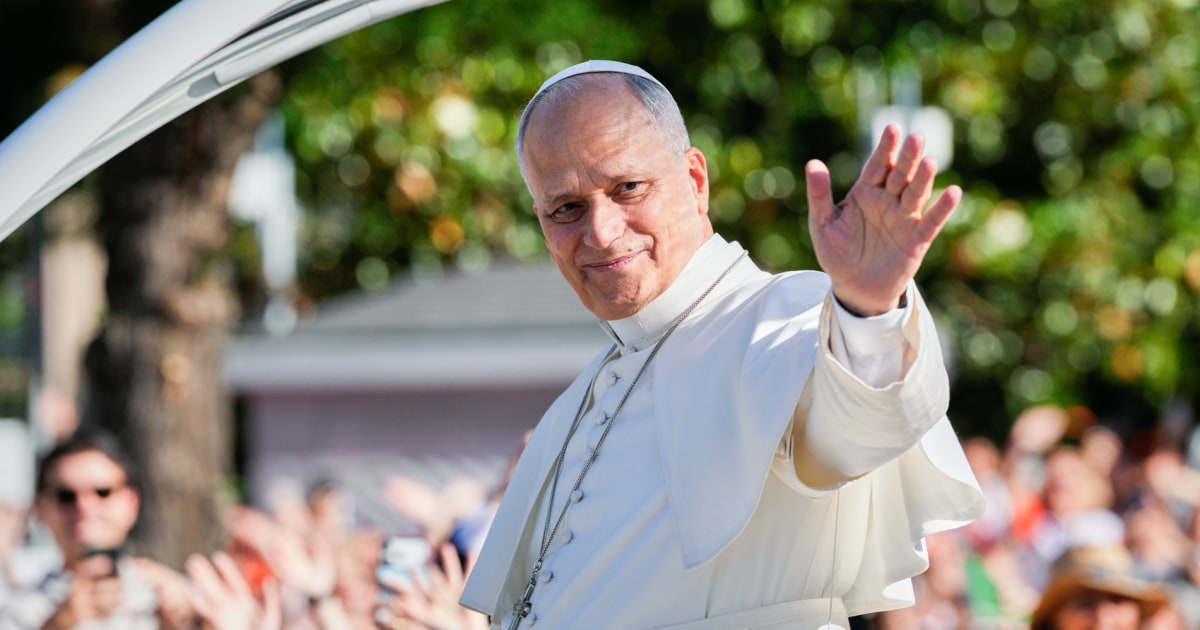
On Sunday, June 7, 2026, an estimated one million people gathered in Madrid to witness a major religious event as Pope Leo XIV presided over the Corpus Christi celebrations. The day featured a solemn Holy Mass in the Plaza de Cibeles, followed by a traditional procession through streets adorned with elaborate floral carpets. The gathering marked a significant public appearance for the pontiff, who has led the Catholic Church since his election on May 8, 2025.
The event drew massive crowds to the Spanish capital, highlighting the enduring tradition of public religious observance. Pope Leo XIV, the 266th successor to Saint Peter, used the occasion to address the faithful, framing the tradition of the flower-petal procession as a profound expression of popular piety and a “school of faith” for contemporary society. The scale of the attendance underscored the continued importance of such liturgical events within the urban environment of Madrid.
A Significant Gathering in Madrid
The Corpus Christi procession is a long-standing practice in Spain, where communities traditionally decorate the transit route with intricate designs made of flower petals. For this year’s observance, the presence of Pope Leo XIV elevated the scale of the ceremony, drawing participants from across the region. According to official reports, the logistical management of such a large crowd in the city center required extensive coordination between local authorities and ecclesiastical organizers (Vatican.va).
The event also served as a focal point for youth engagement. During a separate prayer vigil held in the lead-up to the Sunday Mass, representatives from the Madrid Youth Delegation discussed the impact of the papal visit on the younger generation. The Vatican News service confirmed that the audience provided a platform for intergenerational dialogue, emphasizing the role of the papacy in guiding youth movements within the Church structure (Vatican News/CNN).
The Papacy of Leo XIV
Pope Leo XIV assumed the role of Bishop of Rome following the 2025 papal conclave. His tenure has been characterized by a focus on both traditional liturgical practices and active outreach to diverse demographics within the global Catholic community. As the head of the Holy See, he maintains his official residence at the Apostolic Palace in Vatican City. His recent visit to Madrid is consistent with his established pattern of engagement, which seeks to connect with local traditions while addressing broader questions of modern faith.
The administrative structure of the Church, which Leo XIV now oversees, remains one of the oldest and most complex hierarchies in the world. From the College of Cardinals to the various Apostolic nuncios and bishops, the Vatican’s governance relies on this established network to manage events of this magnitude. The Pope’s ability to draw one million people to the streets of Madrid reflects the sustained reach of this hierarchical influence in 2026.
Looking Ahead
Following the conclusion of the Corpus Christi events, the Vatican has not yet released a specific itinerary for the Pope’s next international travel or major public Mass. Observers of the Holy See suggest that the focus will now shift toward the upcoming consistories and administrative updates within the Roman Curia. For those interested in the official schedule or upcoming papal addresses, the Vatican’s press office provides the primary repository for updates regarding the Pope’s movements and formal statements (Vatican.va).
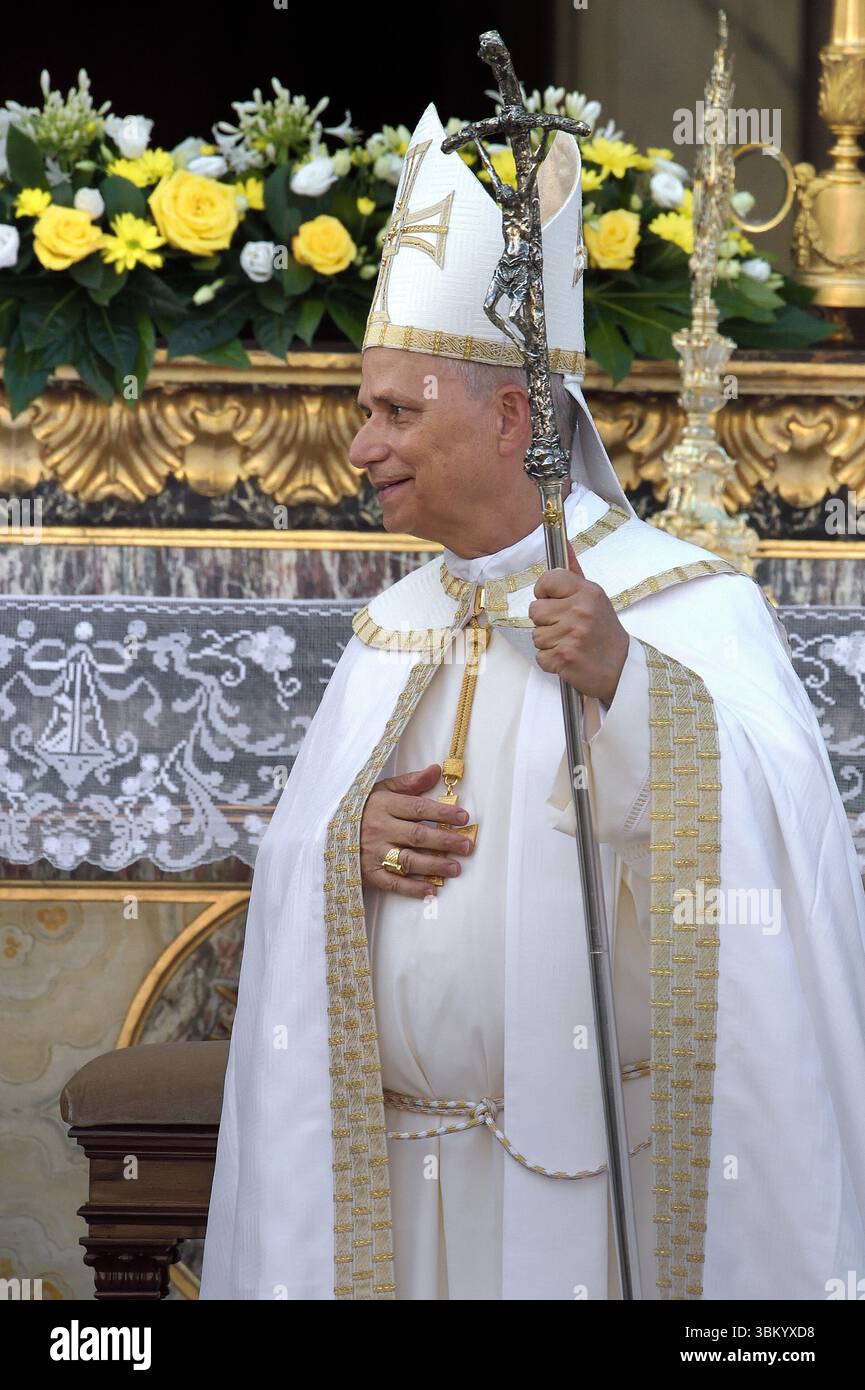
The success of the Madrid gathering is expected to be analyzed by both religious and secular observers as a barometer for public interest in traditional religious processions. As the Church prepares for the remainder of the liturgical year, the impact of this “school of faith” on the local Spanish community remains a topic of significant interest. We invite our readers to share their perspectives on the role of such traditional processions in modern urban life in the comments section below.