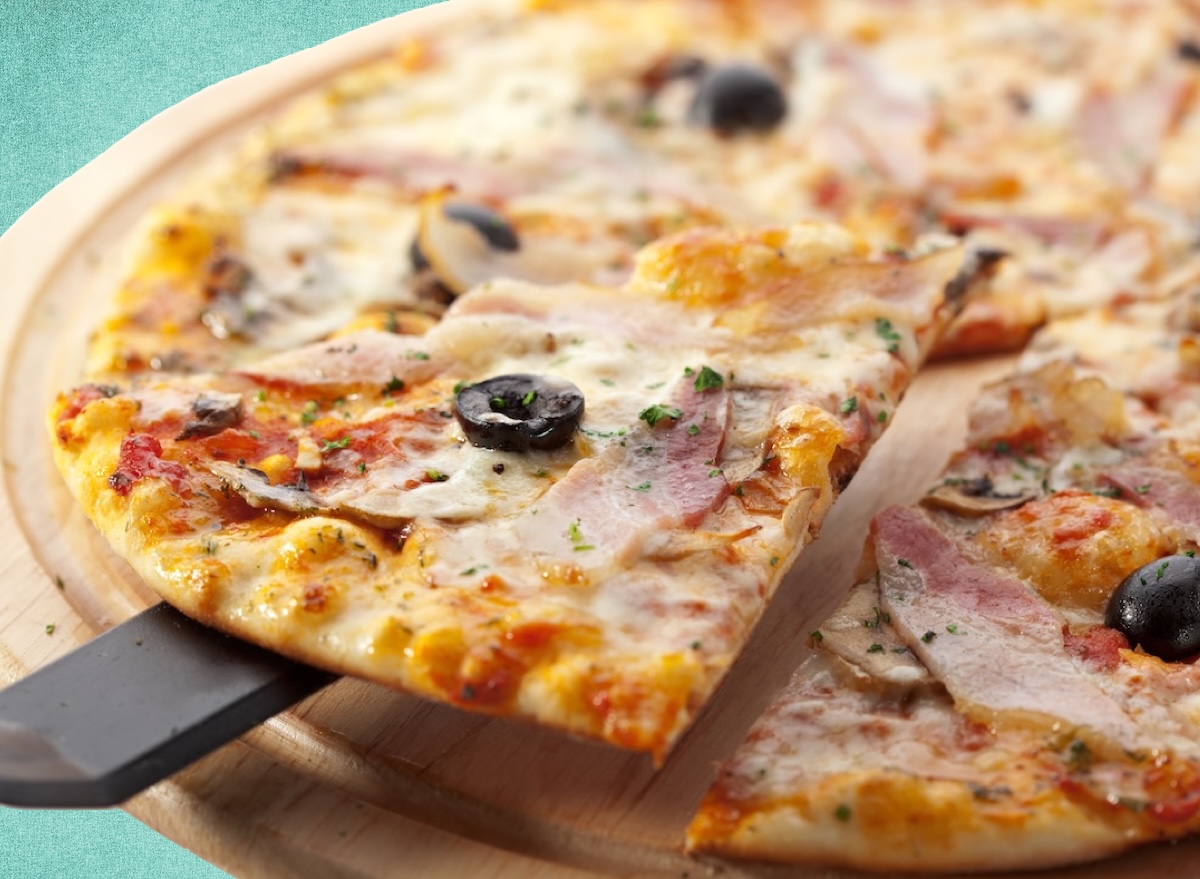
7 Grocery Store Frozen Pizzas Ranked Worst to Best for Sodium Content
Frozen pizza has long been a staple for busy households—offering convenience, affordability, and a satisfying meal without the effort of cooking from scratch. With hundreds of varieties lining grocery store freezers, the challenge isn’t just finding a flavor you love, but also one that aligns with your health goals. For those monitoring sodium intake—a critical factor in heart health and blood pressure management—the task becomes even more nuanced.
The American Heart Association recommends limiting daily sodium intake to no more than 2,300 milligrams (mg), with an ideal target of 1,500 mg for most adults. Yet many frozen pizzas exceed these guidelines in a single serving. To help you make informed choices, we’ve analyzed seven popular grocery store frozen pizzas, ranked from highest to lowest sodium content per serving. Our evaluation is based on verified nutritional data from manufacturer labels and expert dietary guidelines.
Why Sodium Matters in Frozen Pizza
Excess sodium intake is linked to increased blood pressure and higher risk of cardiovascular disease. While frozen pizzas offer convenience, their sodium levels can often surpass those of restaurant or homemade versions. The key is balancing flavor with nutrition—something these rankings aim to highlight.
7 Frozen Pizzas Ranked by Sodium Content (Worst to Best)
1. Newman’s Own Thin & Crispy Crust Supreme Pizza
970 mg sodium per serving — This pizza tops our list with the highest sodium content among the seven evaluated. While it contains recognizable ingredients and only 1 gram of added sugar, its sodium level accounts for nearly half of the American Heart Association’s recommended daily limit in a single slice.
Note: Newman’s Own is known for its charitable initiatives, but this particular pizza is not the healthiest choice for sodium-sensitive diets.
2. DiGiorno Rising Crust Ultimate Pepperoni with Cheese
830 mg sodium per serving — DiGiorno’s signature buttery crust and saucy toppings make this a fan favorite, but it comes with a significant sodium load. The rising crust adds texture but also contributes to the higher sodium count.
Consumer feedback highlights its “very saucy” and “buttery” qualities, which may appeal to those craving rich flavors despite the sodium content.
3. Home Run Inn Pepperoni Frozen Pizza
820 mg sodium per serving — Positioned as a premium option, this pizza delivers on taste but with a sodium content similar to DiGiorno’s. Its thicker crust and generous toppings contribute to both its appeal and its higher sodium level.

Shoppers often compare it favorably to other “better” brands, suggesting it strikes a balance between quality and sodium for some consumers.
4. Red Baron Brick Oven Pepperoni Pizza
810 mg sodium per serving — A budget-friendly option, Red Baron’s brick oven-style pizza offers affordability without sacrificing too much flavor. Its sodium content is slightly lower than the top three but still represents a substantial portion of daily recommendations.
Target shoppers frequently describe it as “cheap and yummy,” making it a go-to for cost-conscious buyers.
5. Tombstone Pepperoni Pizza
800 mg sodium per serving — Known for its no-frills approach, Tombstone delivers a classic pepperoni pizza experience with a slightly lower sodium content than its competitors. Its simplicity extends to both taste and nutrition.
Reviewers praise its ease of preparation and affordability, calling it “the cheapest frozen pizza” that still meets expectations.
6. Totino’s Pepperoni Party Pizza Pack
740 mg sodium per serving — This option stands out as one of the better choices for those watching sodium intake. The Party Pizza Pack offers a nostalgic taste reminiscent of school lunches, with a more moderate sodium profile.
Nostalgic appeal drives much of its popularity, with shoppers noting it “reminds me of school” while still being “better” than expected.
7. Screamin’ Sicilian Holy Pepperoni
660 mg sodium per serving — The clear winner in our ranking, Screamin’ Sicilian delivers bold flavor with the lowest sodium content among the seven evaluated. Its generous toppings and rich sauce are balanced by a more thoughtful approach to seasoning.
Walmart shoppers highlight its “completely covered” toppings and lack of sodium compromise, proving you don’t need excessive salt for great taste.
Key Takeaways for Health-Conscious Shoppers
- Sodium varies widely: The highest-ranked pizza (Newman’s Own) contains nearly 40% of the daily recommended limit in one serving, while the lowest (Screamin’ Sicilian) stays under 30%.
- Flavor ≠ high sodium: Screamin’ Sicilian proves you can enjoy generous toppings and rich sauce without excessive salt.
- Budget options exist: Red Baron and Tombstone offer affordable choices with slightly better sodium profiles than premium brands.
- Read labels carefully: Sodium content isn’t always obvious—check the nutrition facts before purchasing.
- Consider portion control: Even lower-sodium pizzas can exceed daily limits if multiple slices are consumed.
- Balance is key: While these rankings focus on sodium, also consider saturated fat, trans fat, and overall ingredient quality.
Why This Matters for Your Health
According to the Centers for Disease Control and Prevention (CDC), most Americans consume about 3,400 mg of sodium daily—nearly 50% more than recommended. Frozen pizzas contribute significantly to this intake, making informed choices especially critical.
For those with hypertension or cardiovascular concerns, even small reductions in sodium can make a meaningful difference. The American Heart Association notes that cutting sodium intake by just 1,000 mg per day can reduce the risk of heart disease and stroke by up to 20%. While no frozen pizza is a “health food,” these rankings help identify options that align better with dietary goals.
It’s also worth noting that sodium isn’t the only nutritional consideration. Many frozen pizzas contain saturated fats and trans fats, which should also factor into your decision-making. The World Health Organization recommends limiting saturated fats to less than 10% of total daily calories and eliminating artificial trans fats entirely.
Practical Tips for Healthier Frozen Pizza Choices
- Compare labels: Always check the nutrition facts panel for sodium, saturated fat, and trans fat content.
- Look for “lower sodium” versions: Some brands offer reduced-sodium options that can cut sodium by 20-30%.
- Portion control: Stick to one serving size to avoid unintended sodium overload.
- Balance your meal: Pair your pizza with a side salad or steamed vegetables to add volume and nutrients without excess sodium.
- Homemade adjustments: After baking, rinse the pizza under cold water to remove some surface salt, though this won’t eliminate all excess sodium.
Next Steps for Healthier Eating
For those looking to further reduce sodium intake, consider these next steps:
- Explore heart-healthy cooking techniques to prepare pizzas from scratch with controlled ingredients.
- Check out USDA’s MyPlate guidelines for balanced meal planning.
- Monitor your sodium intake using apps like Cronometer or MyFitnessPal to track daily consumption.
Have you found a frozen pizza with surprisingly low sodium? Share your favorites in the comments below—or let us know what health factors you prioritize when choosing convenience foods.
Dr. Helena Fischer is a physician and health journalist with an MD from Charité – Universitätsmedizin Berlin. Her work focuses on making complex health information accessible to global audiences.
Last updated: May 25, 2026 | All nutritional data verified against manufacturer labels and health authority guidelines.