Israeli Airstrikes in Southern Lebanon Reportedly Kill Seven Despite Ceasefire
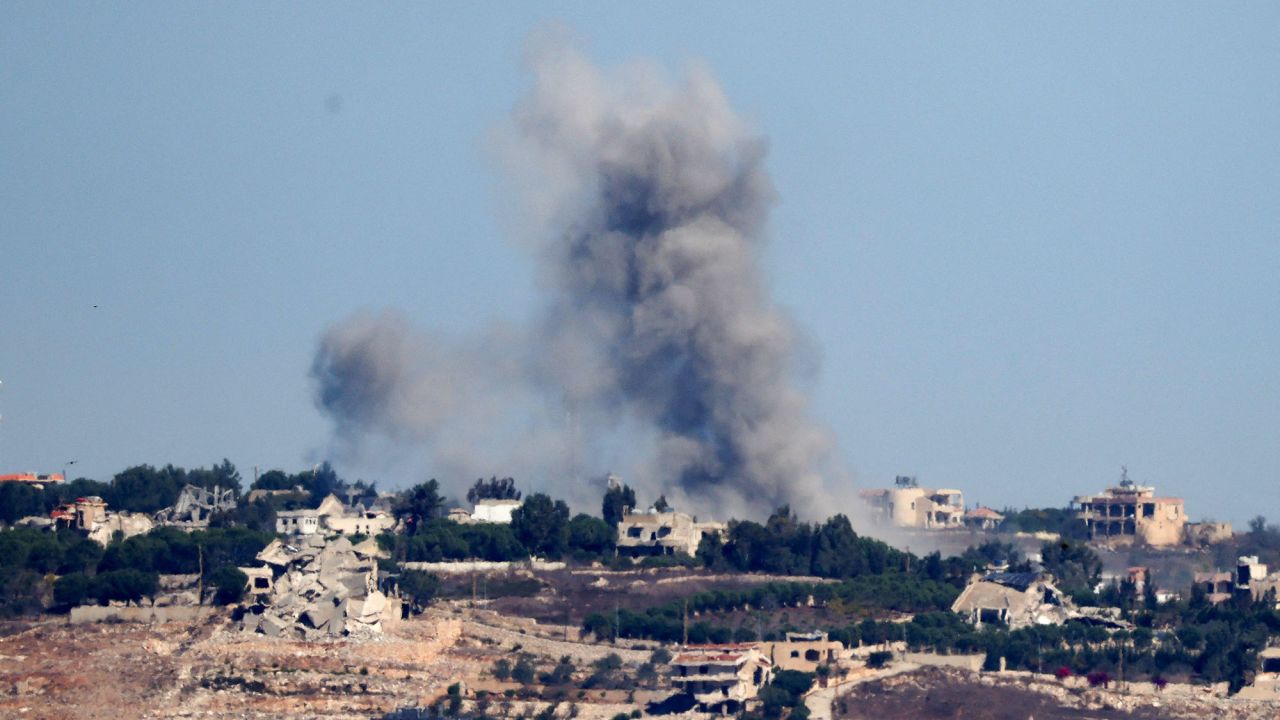
Israeli airstrikes in southern Lebanon have killed at least seven people and wounded 13 others, according to local reporting, despite the ongoing ceasefire between Israel and Hezbollah. The strikes hit several areas, including the village of Qunait in the Sidon district and Nabatieh, where a branch of Lebanon’s central bank was reportedly destroyed.
The strikes occurred while the US-brokered ceasefire, intended to halt hostilities between the Israeli military and Hezbollah, remains in a fragile state. Reports from Al Arabiya and Sky News Arabia indicate that the aerial bombardments targeted both eastern and southern regions of the country, raising questions regarding the adherence to the truce terms.
Casualties Reported in Qunait Village and Sidon District
The most significant loss of life occurred in the village of Qunait, located within the Sidon district of southern Lebanon. According to reports from Al Jazeera and Al Shorouk, an Israeli airstrike on the village resulted in seven fatalities and left at least 13 people wounded. Emergency responders and local sources described the strike as part of a series of intense operations in the area.
The Sidon district has seen increased tension as military activity persists in the border regions. While the ceasefire was designed to reduce civilian casualties and prevent further escalation, the strikes in Qunait suggest that kinetic operations are continuing in specific pockets of the south. Local health officials have not yet released the specific identities of the deceased, but the casualties represent a direct violation of the perceived cessation of hostilities in those residential zones.
Economic Impact and the Nabatieh Strike
In Nabatieh, the strikes have moved beyond immediate human casualties to target critical infrastructure. Reports from Youm7 indicate that an Israeli strike destroyed a branch of the Banque du Liban, Lebanon’s central bank, in the Nabatieh region. The destruction of financial institutions during a ceasefire period has drawn sharp criticism from Lebanese government officials.
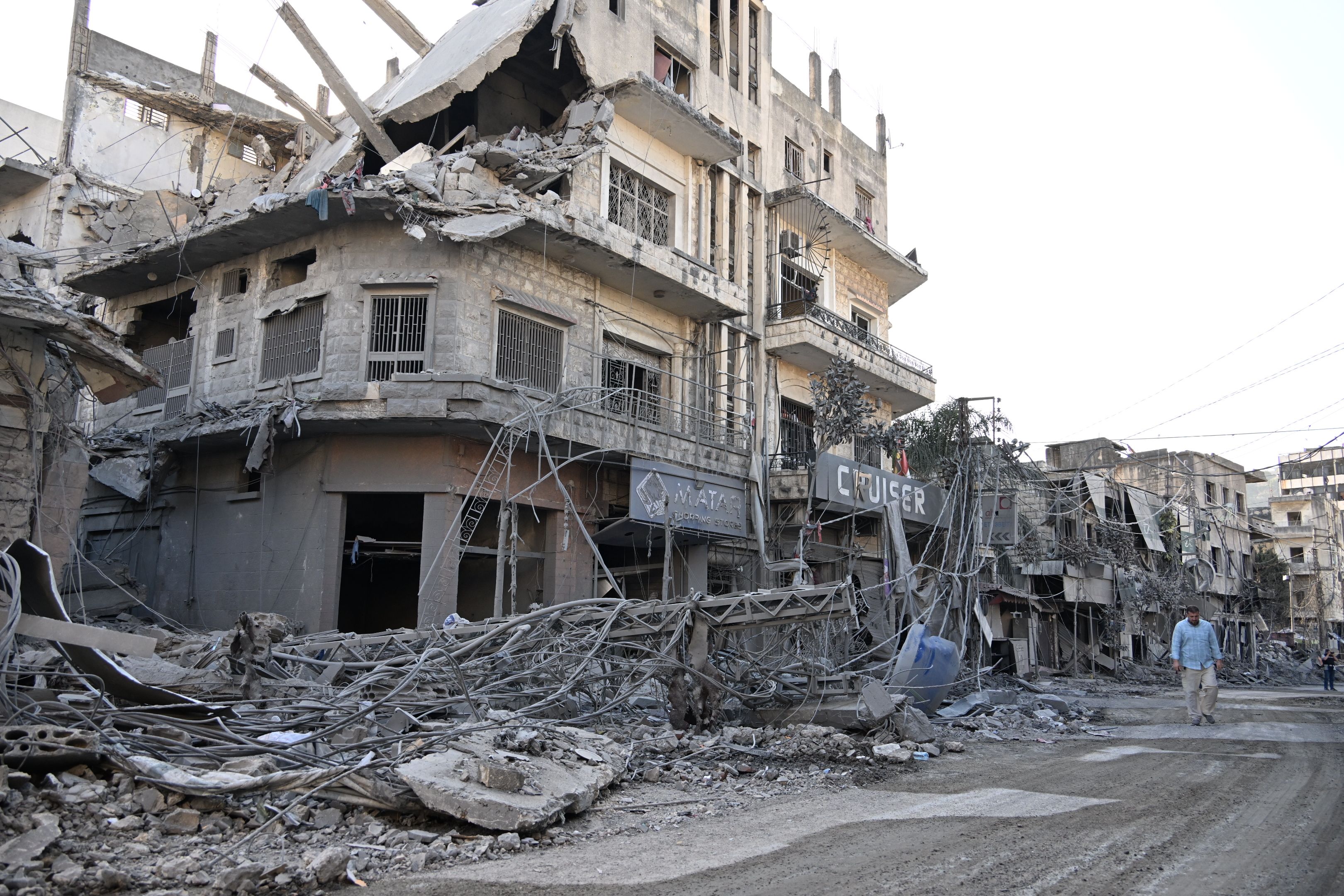
Lebanon’s Finance Minister characterized the destruction of the central bank branch as a “pressure tactic” intended to destabilize the country’s remaining economic infrastructure. The strike comes at a time when Lebanon’s economy is already under severe strain from years of financial crisis and ongoing conflict. Analysts suggest that targeting financial hubs in the south may be an attempt to exert political leverage over the Lebanese state during the implementation of the ceasefire.
Strategic Context: The Ceasefire and the “Ali al-Taher” Area
The persistence of these strikes highlights a growing discrepancy between the diplomatic goals of the ceasefire and the reality on the ground. While the agreement aims to ensure a complete withdrawal of Hezbollah forces and a cessation of Israeli military operations, the Israeli military has maintained intense focus on specific strategic locations.
Al Jazeera has reported on the intense military efforts to secure control over the “Ali al-Taher” area. This region has become a focal point for Israeli operations, with reports suggesting that the military is attempting to consolidate territorial or tactical advantages before the ceasefire terms are fully stabilized. This drive for control in specific sectors contrasts with the broader international push for a quiet border.
The following table summarizes the reported incidents and their primary impacts based on current media reports:
| Location | Reported Incident | Reported Impact |
|---|---|---|
| Qunait (Sidon District) | Airstrike on village area | 7 dead, 13 wounded |
| Nabatieh | Destruction of Banque du Liban branch | Infrastructure damage; economic pressure |
| Eastern/Southern Lebanon | General aerial bombardments | Ongoing instability and ceasefire violations |
The escalation in these specific sectors suggests that the ceasefire may be facing significant implementation challenges. Whether these strikes are viewed as targeted responses to alleged violations or as strategic maneuvers to secure territory, the immediate result is a continued loss of life and damage to Lebanese civilian infrastructure.
The United Nations Interim Force in Lebanon (UNIFIL) and international monitors are expected to review these incidents to determine if they constitute formal breaches of the ceasefire agreement. Official updates from the Lebanese Ministry of Foreign Affairs and the Israeli Defense Forces (IDF) regarding these specific strikes are pending.
Follow our live updates for further developments on the security situation in Lebanon. Please share this report and leave your comments below regarding the impact of these developments on regional stability.
Worth a look