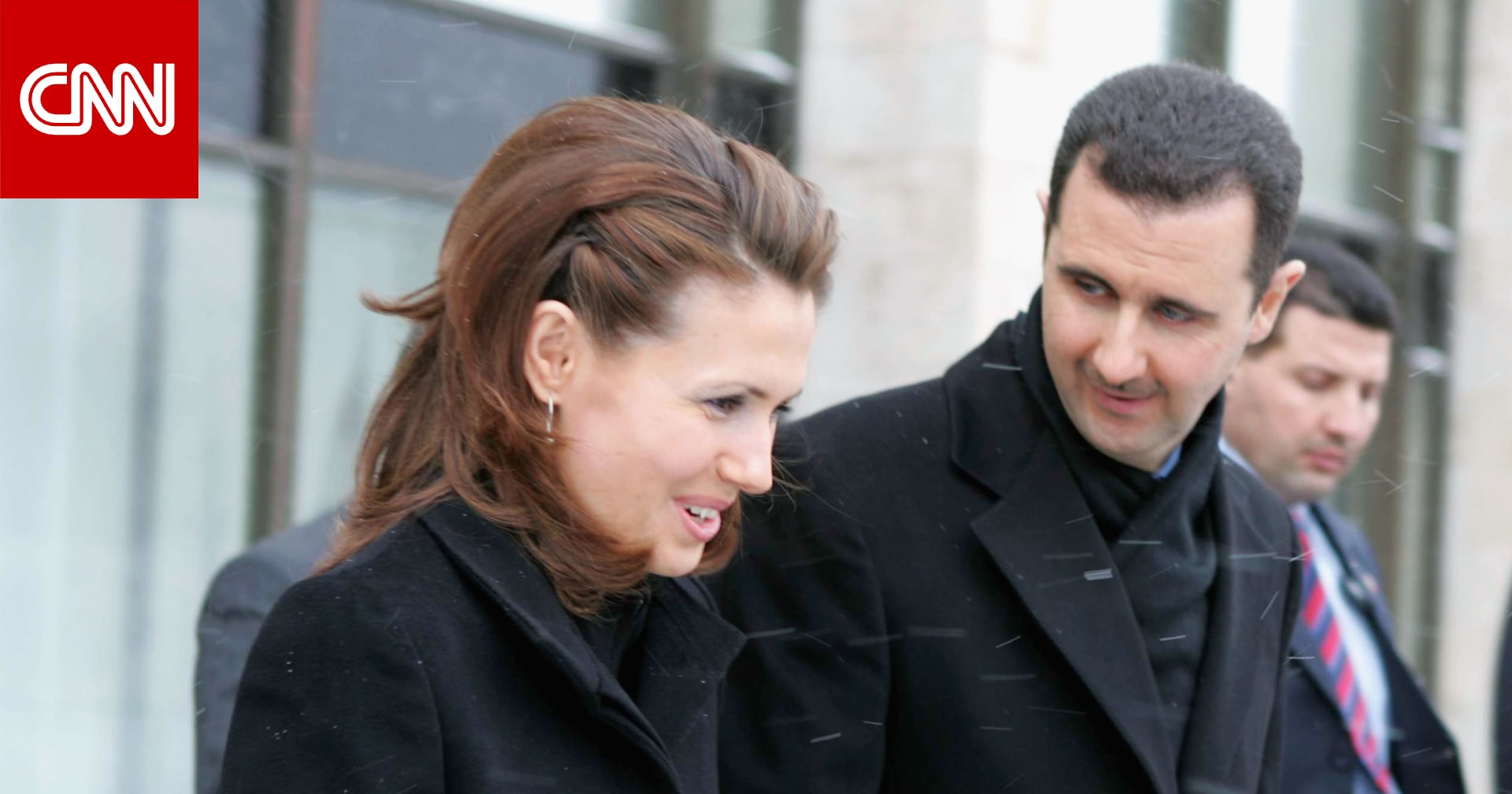
No credible news organization, international intelligence agency, or official government body has confirmed that Syrian President Bashar al-Assad and his wife, Asma al-Assad, are currently located inside a Russian security facility. While images claiming to show the couple in a high-security Russian setting have circulated widely on social media, fact-checking investigations indicate these claims lack verified evidence and often rely on miscontextualized or older footage.
The rumors surfaced amid a period of intense instability in Syria, following a rapid and large-scale offensive by opposition forces led by Hay’at Tahrir al-Sham (HTS). As opposition fighters captured significant territory in northern Syria, including parts of Aleppo, speculation regarding the whereabouts and safety of the Assad leadership increased. This vacuum of verified information has contributed to the spread of unverified visual content across platforms like X and Telegram.
The origin and context of the circulating images
The images in question, which appear to depict Bashar al-Assad and Asma al-Assad in an indoor, high-security, or official setting, have been flagged by various digital forensics and fact-checking entities. According to reports from independent monitoring groups, many of these images are either taken from previous official state visits to Russia or are older clips from Syrian government ceremonies that have been re-captioned to suggest a current emergency relocation.
In digital conflict zones, the practice of “re-contextualization”—taking a real image and applying a new, false narrative to it—is a common tactic used to influence public perception. In this instance, the narrative suggests that the Syrian leadership has fled to Russian protection. However, no footage has emerged from established news agencies such as Reuters or the Associated Press that corroborates the presence of the First Family in a Russian military or intelligence facility.
The lack of recent, high-definition, and verifiable video footage of the President has fueled these rumors. During the height of the recent rebel advances, the frequency of official broadcasts from the Syrian state media, SANA, fluctuated, leading observers to speculate on the accessibility of the presidency. Without a confirmed location, social media users have frequently turned to unverified imagery to fill the information gap.
The military reality: The HTS offensive and regime instability
The rumors regarding the Assad family’s location are inextricably linked to the sudden shift in the Syrian battlefield. In late 2024, a massive offensive launched by opposition groups, primarily HTS, fundamentally altered the map of the Syrian conflict. The speed of the rebel advance caught many international analysts by surprise, putting immense pressure on the Syrian Arab Army (SAA) and its primary backers.
Key developments in the offensive include:
- The Fall of Aleppo: Opposition forces successfully entered parts of Aleppo, a major symbolic and strategic stronghold for the Damascus government.
- Territorial Contraction: The regime’s control has been pushed back from several key corridors in northern and central Syria, creating a sense of imminent collapse in certain provinces.
- Logistical Pressure: The rapid movement of rebel units has challenged the regime’s ability to maintain its defensive lines, leading to questions about the continuity of command and control.
This military volatility creates a “fog of war” environment where misinformation thrives. When a regime faces an existential threat, the movement of its leadership becomes a primary focus for both intelligence agencies and disinformation actors. The claim that the Assads are in a Russian facility serves a specific psychological purpose: it suggests that the Syrian government has already effectively ceased to function as a sovereign entity and has transitioned into a client state under direct Russian physical custody.
Russia’s role and the presence of military installations
Russia has maintained a significant military presence in Syria for over a decade, providing the airpower and technical support essential to the survival of the Assad government. The existence of Russian facilities in Syria, such as the Hmeymim Air Base and the Tartus naval facility, is well-documented. However, there is a distinction between Russian military assets in Syria and the relocation of the Syrian presidency to Russia itself.

While Russia remains the most critical external guarantor of the regime, the logistics of moving a head of state into a “security facility” would be a massive geopolitical event. Such a move would signal the end of the Syrian state’s perceived sovereignty. As of the current reporting, the Russian Ministry of Defense has not issued any statements regarding the movement of Syrian leadership into their jurisdiction, nor have any international diplomatic observers confirmed such a transition.
The relationship between Damascus and Moscow remains focused on maintaining the existing strategic architecture in the Mediterranean. While Russia provides a safety net, the current rumors of a “security facility” relocation remain unverified and are treated by most geopolitical analysts as speculative or part of an information warfare campaign designed to project the regime’s weakness.
Distinguishing between rumors and verified reports
To navigate the current information environment in Syria, it is necessary to distinguish between tactical battlefield updates and speculative political narratives. The following table compares the current status of verified information against the circulating rumors.
| Subject | Circulating Rumor | Verified Fact |
|---|---|---|
| Assad Family Location | Located in a Russian security facility. | Current location is unconfirmed; no credible evidence of relocation. |
| Regime Status | The government has effectively collapsed. | The regime is facing a significant military crisis and territorial loss. |
| Russian Intervention | Russia has taken direct control of the leadership. | Russia continues to provide military and political support to the regime. |
| Battlefield Control | Opposition has captured all major cities. | Opposition has made significant gains, including in Aleppo and Hama. |
The discrepancy between these two columns highlights the danger of relying on social media for real-time political intelligence. In the absence of official statements from the Syrian Presidency or the Russian Kremlin, the “security facility” narrative remains a theory rather than a documented fact.
Why misinformation spreads during regime instability
The surge in rumors regarding Bashar al-Assad is a textbook example of how information ecosystems respond to high-stakes political transitions. During periods of regime instability, several factors drive the proliferation of unverified claims:
1. Information Vacuums: When official channels become less frequent or predictable, the public seeks information from alternative sources. In the absence of a steady stream of verified news, rumors fill the void.
2. Psychological Warfare: Both state and non-state actors utilize misinformation to demoralize the opposition or to project strength. Claiming the leadership has fled can demoralize regime supporters, while claiming they are “safe in Russia” can be used to suggest that the regime’s core is still intact despite territorial losses.
3. Algorithmic Amplification: Social media algorithms prioritize high-engagement content. Images of world leaders in dramatic or secretive settings generate significant clicks, leading to the rapid spread of unverified content before fact-checkers can intervene.
Frequently Asked Questions
Are the photos of Bashar al-Assad in Russia real?
There is no evidence to support the claim that recent photos show the President in a Russian security facility. Most such images have been identified as older, miscontextualized footage.
Why are there so many rumors about the Assad family right now?
The rumors are a direct result of the intense military offensive by HTS and other rebel groups, which has created significant uncertainty regarding the regime’s future and the location of its leadership.
Has Russia officially commented on the whereabouts of the Syrian President?
No, the Russian government has not issued any official statements confirming any change in the location or status of the Syrian President.
How can I verify news about the Syrian conflict?
It is recommended to follow established international news agencies and verified battlefield monitors rather than relying on unverified social media posts or anonymous Telegram channels.
The situation in Syria remains highly fluid. The next critical checkpoint will be the official response from the Syrian government or the Russian Ministry of Foreign Affairs regarding the recent territorial shifts and the stability of the central administration. We will continue to monitor official communications and verified battlefield reports as they emerge.
Do you have insights or follow-up questions regarding the developments in Syria? Please share your thoughts in the comments below and share this article to help combat misinformation.
Keep reading