
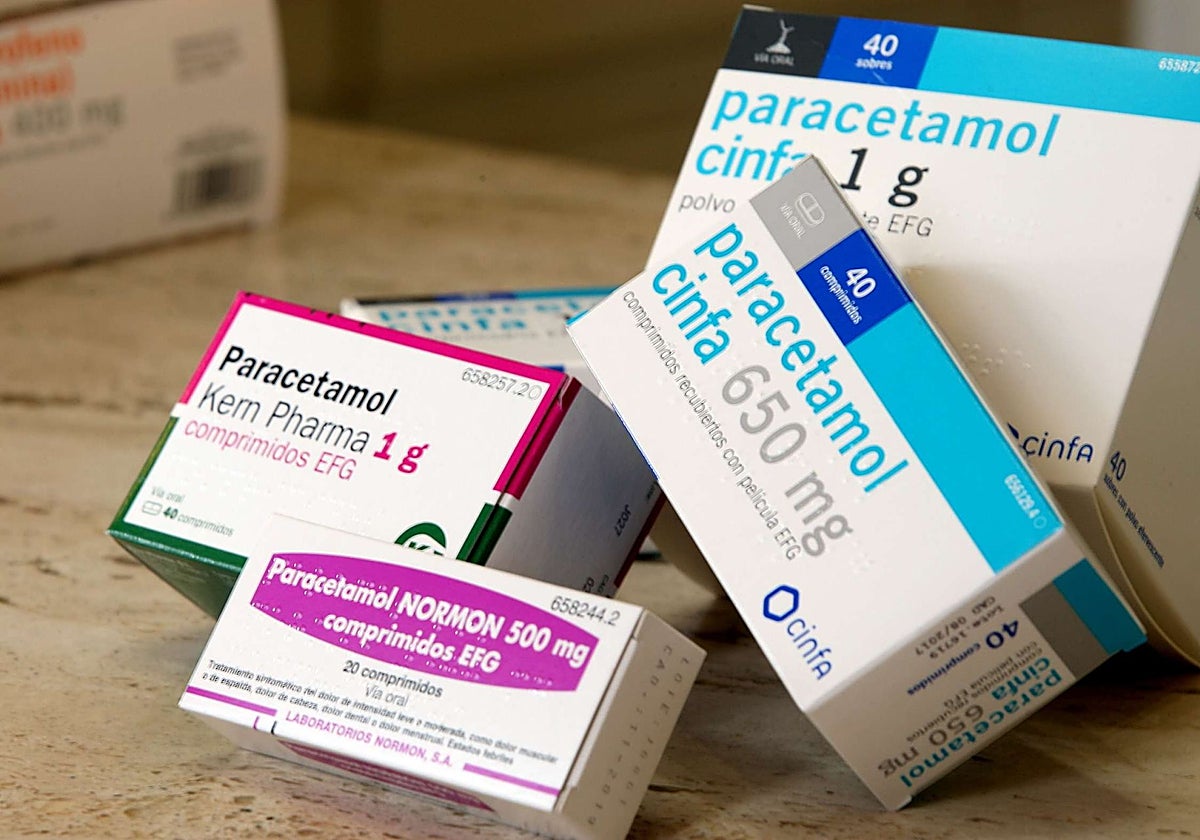
A large-scale study involving over 700,000 individuals has found that prenatal exposure to paracetamol (acetaminophen) is not strongly linked to autism or ADHD in children, though researchers caution about potential risks at high doses or during specific pregnancy windows. The findings, published in The BMJ and JAMA Pediatrics, provide the most comprehensive analysis to date on the controversial topic, which has sparked public concern—including from high-profile figures like former U.S. President Donald Trump.
The study, a meta-analysis of multiple cohorts across Europe and North America, found no significant association between low-to-moderate paracetamol use during pregnancy and neurodevelopmental disorders. However, experts emphasize that the data does not definitively rule out risks for certain subgroups, such as women with chronic pain or fever conditions requiring frequent medication.
For pregnant women weighing the risks, the study offers some reassurance—but also underscores the need for personalized medical advice. Here’s what the research shows, what it means for expectant mothers, and where the science still falls short.
Does Paracetamol During Pregnancy Increase Autism or ADHD Risk?
The question has circulated for years, fueled by smaller studies suggesting potential links between prenatal acetaminophen use and neurodevelopmental disorders. The new analysis, pooling data from registries in Denmark, Norway, Sweden, and the U.S., concludes that the overall risk is low for typical, short-term use. However, the researchers note that high-dose or prolonged exposure—particularly in the first trimester—may warrant further investigation.
“The data does not support a blanket warning against occasional paracetamol use during pregnancy,” said Dr. Anna-Karin Edstedt Bonamy, lead author of the study and epidemiologist at the University of Bristol. “But for women with chronic conditions requiring regular doses, we need more targeted research.”
According to the study, published in JAMA Pediatrics, children whose mothers used paracetamol for fever or pain relief (up to 15 days total during pregnancy) showed no elevated risk of autism spectrum disorder (ASD) or attention-deficit/hyperactivity disorder (ADHD) compared to those unexposed. The analysis controlled for maternal age, smoking, socioeconomic status, and other confounding factors.
Yet, the study’s authors acknowledge limitations: self-reported medication use may underestimate actual exposure, and the data did not track dose frequency or timing in sufficient detail. A separate BMJ editorial cautioned that the findings should not be interpreted as “license to use paracetamol liberally” during pregnancy.
What the Study Actually Found—and What It Doesn’t Prove
The meta-analysis combined results from seven studies involving 732,000 mother-child pairs, making it the largest of its kind. Key takeaways:
- No strong link to autism: Pooled data showed no significant increase in autism diagnoses among children exposed to paracetamol prenatally, even after adjusting for maternal fever (which often prompts medication use).
- Weak or inconsistent ADHD findings: Some studies suggested a slight uptick in ADHD risk with high-dose exposure, but the effect was not statistically robust across all cohorts.
- First-trimester exposure: Earlier research had flagged potential risks in the first 12 weeks, but this analysis found no clear pattern when combining datasets.
- Chronic use may differ: The study did not specifically address women taking paracetamol daily for conditions like arthritis or migraines, where cumulative doses could differ.
“This is an important step, but it’s not the final word,” said Dr. Michael S. Kramer, a pediatrician and professor at McGill University who was not involved in the study. “We still need to understand why some studies show risks and others don’t. It could be dose-dependent, timing-specific, or linked to underlying health conditions.”
Why the Controversy Persists: What Experts Still Don’t Know
Despite the new findings, uncertainty remains due to three critical gaps:
- Dose and timing: Most studies, including this one, rely on self-reported medication use, which may not capture exact dosages or frequency. A 2022 study in Nature Communications suggested that high-dose exposure in the first trimester might alter fetal brain development in animal models, but human data is scarce.
- Underlying health conditions: Women who use paracetamol frequently may have chronic illnesses (e.g., autoimmune disorders, migraines) or infections (e.g., COVID-19, flu) that could independently affect neurodevelopment. The new study did not fully account for these factors.
- Genetic susceptibility: Some research hints that certain genetic variants (e.g., in the COMT gene) may make fetuses more vulnerable to acetaminophen’s effects. The meta-analysis did not explore this.
“We’re dealing with a signal-to-noise problem,” explained Dr. Edstedt Bonamy. “Small studies with conflicting results get amplified in media and social circles, while larger, well-designed studies get less attention. This analysis helps clarify the bigger picture—but it’s not a green light for reckless use.”
What Should Pregnant Women Do? Expert Recommendations
Public health guidelines remain cautious. The World Health Organization (WHO) and U.S. Food and Drug Administration (FDA) advise that paracetamol is generally safe for short-term use during pregnancy to manage fever or mild pain, but they emphasize:
- Use the lowest effective dose for the shortest duration possible.
- Avoid regular use unless prescribed by a doctor.
- Consult a healthcare provider if experiencing chronic pain, fever, or other conditions requiring frequent medication.
- Consider non-medication alternatives where possible, such as rest, hydration, and heat/cold therapy for pain.
The American College of Obstetricians and Gynecologists (ACOG) states that acetaminophen is the preferred pain/fever reliever during pregnancy due to its safety profile, but adds that no medication should be taken routinely without medical supervision. The new study aligns with this stance but does not change existing advice.
For women concerned about neurodevelopmental risks:
- Track medication use in a journal to discuss with your doctor.
- Prioritize treating underlying conditions (e.g., infections, chronic pain) to minimize reliance on paracetamol.
- Stay updated on emerging research, such as the ongoing EU-funded “PARACETAMOL and Pregnancy” project, which is investigating dose-response relationships (link).
How This Study Compares to Past Research: A Timeline of Findings
The debate over paracetamol and neurodevelopmental risks has evolved over two decades. Here’s how the latest study fits into the broader picture:
| Year | Study | Key Finding | Limitations |
|---|---|---|---|
| 2004 | Pediatrics (Shaw et al.) | First suggestion of link between prenatal acetaminophen and ADHD. | Small sample size (650 children). |
| 2014 | JAMA Pediatrics (Liew et al.) | Autism risk increased with first-trimester exposure. | Self-reported data; no dose details. |
| 2018 | BMJ (Sandin et al.) | No clear link to autism or ADHD in large Swedish cohort. | Did not track dose frequency. |
| 2020 | Nature Communications (animal study) | High-dose acetaminophen altered fetal brain development in mice. | Not applicable to humans; dose levels differed. |
| 2024 | JAMA Pediatrics (meta-analysis) | No strong evidence for autism/ADHD risk with typical use. | Could not assess high-dose or chronic use. |
The 2024 meta-analysis stands out for its scale and rigor, but it does not resolve all questions. “We’ve moved from ‘possible risk’ to ‘uncertainty with some reassurance,’” said Dr. Kramer. “The next step is prospective studies with detailed dosing data.”
What Happens Next? Ongoing Research and Regulatory Watch
Several initiatives are underway to clarify the risks:
- EU “PARACETAMOL and Pregnancy” Project: A multi-country study launched in 2023 aims to track 10,000 mother-child pairs with precise medication records (details here). Results expected by 2026.
- U.S. FDA Review: The agency is updating its pregnancy medication guidelines, with acetaminophen under review for potential labeling changes (FDA statement).
- WHO Advisory Panel: The organization’s expert committee is evaluating whether to revise its 2020 guidelines on analgesics in pregnancy based on emerging evidence.
For now, the next major checkpoint is the publication of the EU project’s interim findings in mid-2025, which may provide clearer insights into dose-response relationships.
Key Takeaways for Pregnant Women and Healthcare Providers
- Short-term, occasional use is unlikely to pose significant risks based on current evidence.
- Chronic or high-dose use should be discussed with a doctor, especially if treating underlying conditions.
- Non-medication strategies (rest, hydration, physical therapy) should be prioritized where possible.
- Monitor emerging research—new studies may refine understanding of risks.
- Individual medical history matters; what’s safe for one woman may not be for another.
“The bottom line is this: Paracetamol is not a ‘safe’ medication in the sense of being risk-free, but the evidence suggests that typical use for fever or occasional pain is unlikely to harm neurodevelopment,” said Dr. Edstedt Bonamy. “The goal should be minimizing unnecessary exposure, not avoiding it outright for every ache or fever.”
For personalized advice, women should consult their obstetrician or midwife, who can weigh individual health factors against the latest research.
Have questions about prenatal medication safety? Share your concerns in the comments below—or tag a friend who’s navigating pregnancy and pain management. For the latest updates on this study, follow our Health section.