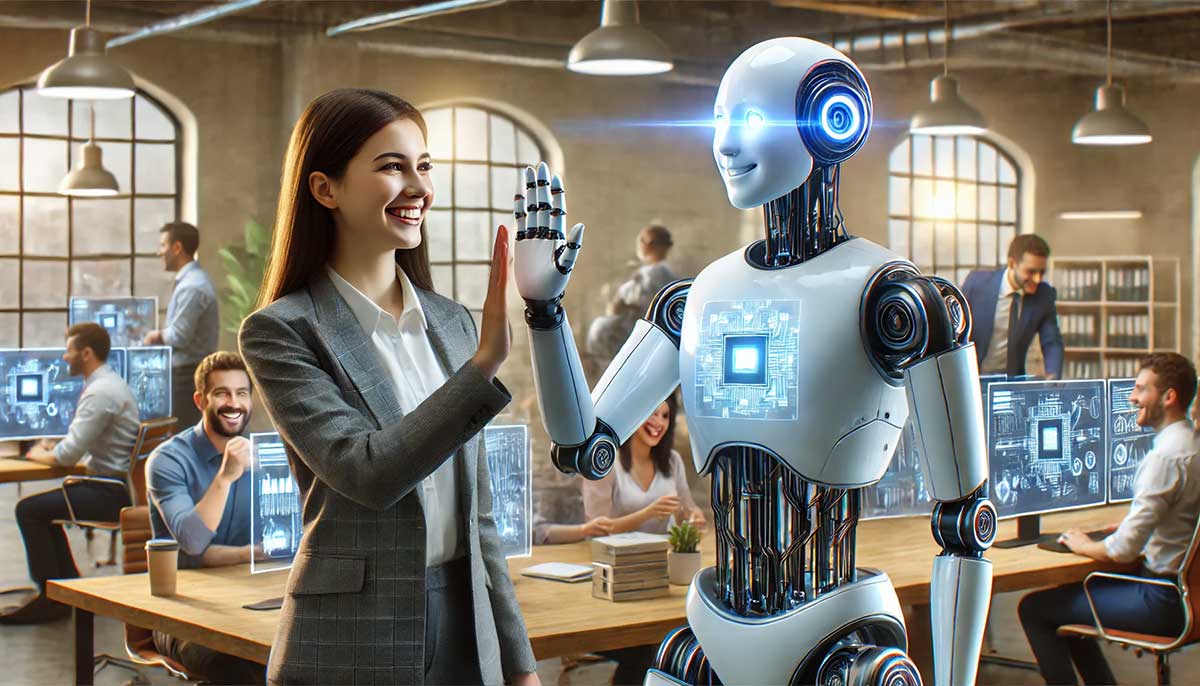
A significant majority of South Korean employees report feeling anxious about the rise of artificial intelligence in the workplace, with 78% expressing concern that they may be left behind or displaced by new technologies. This figure, highlighted in recent industry analysis, reflects a growing sentiment among the workforce regarding the rapid integration of AI tools into daily professional tasks.
The data stems from broader research conducted by Microsoft’s Work Trend Index, which surveyed 20,000 workers across 10 countries to gauge the impact of generative AI on productivity and job security. While global employees are increasingly adopting AI to manage heavy workloads, the high level of apprehension in South Korea highlights a distinct cultural and professional tension regarding the pace of digital transformation.
Understanding the AI Skills Gap
The anxiety expressed by South Korean workers is often tied to the “skills gap”—the perceived distance between current employee proficiencies and the technical requirements of an AI-driven economy. According to reports from the OECD Employment Outlook, South Korea maintains one of the highest levels of digital connectivity globally, yet the transition to AI-integrated workflows has prompted concerns about whether traditional educational and vocational training systems can keep up with the speed of innovation.

For many professionals, the fear is not necessarily that AI will replace their entire role, but that those who master AI tools will replace those who do not. This shift in the labor market is pushing companies to reassess their internal training programs. The challenge remains for organizations to provide accessible, scalable pathways for employees to acquire “AI literacy,” which encompasses everything from prompt engineering to ethical data handling.
Global Trends vs. Local Sentiment
While the 78% figure in South Korea indicates a high level of stress, it is part of a complex global narrative. The Microsoft research suggests that while employees are eager for AI to handle “drudgery”—repetitive, time-consuming tasks—there is a simultaneous fear of job obsolescence. In many Western markets, this anxiety is often tempered by a focus on AI as a “copilot” rather than a replacement.

The disparity in sentiment can be attributed to several factors, including the structure of the national economy and the prevalence of specific industries. In South Korea, where the technology sector and manufacturing play a dominant role in the GDP, the integration of AI is often viewed through the lens of national competitiveness. According to McKinsey & Company, the impact of generative AI on the global economy could add trillions in value, but the transition period requires significant policy intervention to support displaced workers.
How Organizations Are Responding
Companies are beginning to implement “AI-first” policies to mitigate employee burnout and anxiety. These strategies often include internal certification programs and dedicated time for workers to experiment with large language models (LLMs) in a sandbox environment. By treating AI as a tool for augmentation rather than automation, firms aim to foster a culture of collaboration.
However, the effectiveness of these programs depends on transparency. Workers who are consulted during the implementation of new AI software are statistically more likely to view the technology as a benefit. As noted by the International Labour Organization (ILO), the successful integration of AI requires a human-centric approach that prioritizes workforce upskilling and clear communication about how technology will support, rather than diminish, human expertise.
Looking Ahead: The Next Phase of AI Adoption
The conversation around AI in the workplace is expected to evolve as more companies move from the “experimentation phase” to full-scale deployment. The next major checkpoint for this trend will be the release of updated labor force participation data and national digital strategy reports, which are expected to be discussed at the upcoming OECD AI policy forums later this year.
As the technology continues to mature, the focus will likely shift from the fear of displacement to the practicalities of human-AI collaboration. Readers interested in following these developments can monitor official updates from the Ministry of Science and ICT in South Korea, which frequently publishes policy roadmaps regarding the national AI strategy. We encourage our readers to share their own experiences with AI in the workplace in the comments section below.