
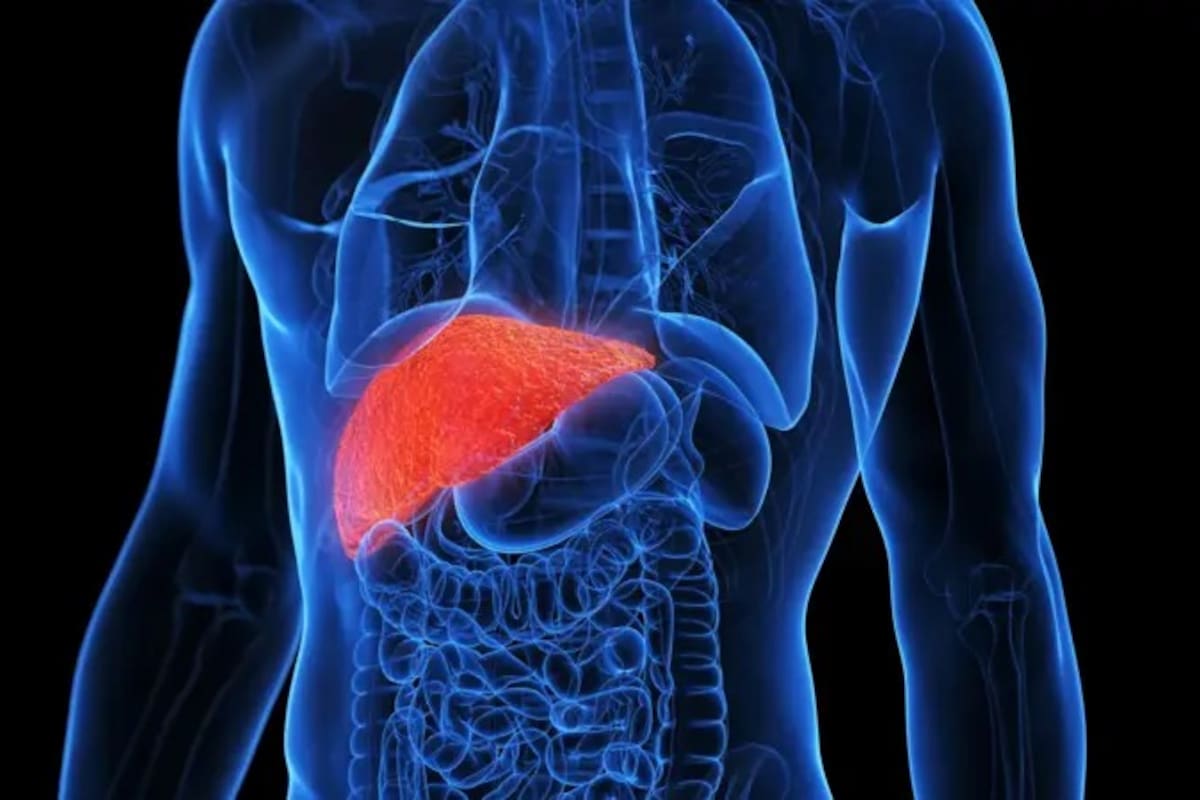
The liver, the body’s largest internal organ, performs over 500 essential functions, including metabolic regulation, detoxification, and protein synthesis. While alcohol consumption is widely recognized as a primary risk factor for liver damage, medical research increasingly highlights that lifestyle factors—ranging from dietary choices to sedentary behavior—can trigger non-alcoholic fatty liver disease (NAFLD) and other chronic conditions.
I often emphasize that the liver possesses a remarkable, though not infinite, capacity for regeneration. However, sustaining this organ requires more than just limiting alcohol intake. Modern dietary patterns and decreased physical activity have made metabolic dysfunction-associated steatotic liver disease (MASLD) a global public health concern. Understanding the specific, often overlooked behaviors that contribute to hepatic stress is the first step toward long-term metabolic health.
The Role of Ultra-Processed Foods and Added Sugars
The consumption of ultra-processed foods, particularly those high in fructose, is a significant driver of hepatic fat accumulation. When the liver is overwhelmed by excessive amounts of refined sugar, it converts the surplus into fat through a process called de novo lipogenesis. This fat accumulates within liver cells, a condition known as steatosis.
Beyond sugar, the reliance on processed snacks and pre-packaged meals often introduces high levels of saturated fats and sodium while lacking the fiber necessary for metabolic regulation. Fiber is essential for slowing the absorption of glucose and managing lipid levels in the bloodstream, thereby reducing the workload on the liver. Replacing these items with whole, unprocessed foods—such as leafy greens, legumes, and lean proteins—is a cornerstone of evidence-based liver protection strategies.
Sedentary Habits and Metabolic Efficiency
Physical inactivity acts as a silent contributor to liver damage by reducing the body’s ability to process glucose and lipids. Regular exercise is not merely about weight management; it is a metabolic necessity that improves insulin sensitivity. Consistent movement helps prevent the systemic inflammation that often precedes the development of fatty liver disease.
When muscles remain idle for extended periods, they become less efficient at utilizing glucose, forcing the liver to manage higher levels of circulating blood sugar. Over time, this chronic over-processing can lead to the development of insulin resistance, a precursor to type 2 diabetes and MASLD. Integrating short, frequent periods of movement throughout the day can significantly mitigate these risks, even for individuals with limited time for structured exercise.
Medication and Supplement Safety
The liver is the primary site for the metabolism of medications, supplements, and herbal products. The misuse or overuse of common over-the-counter drugs, such as acetaminophen, can lead to acute liver injury if taken in doses exceeding recommended limits. Patients should always verify the active ingredients in all medications to avoid unintentional “stacking” of drugs that carry a risk of hepatotoxicity.
Furthermore, the trend toward unregulated herbal supplements and “detox” teas remains a concern for clinicians. Many of these products lack rigorous clinical testing for safety and can contain compounds that place undue stress on liver enzymes. It is essential to consult with a primary care physician before adding any new supplement to a daily regimen. Transparency regarding all substances consumed, including vitamins and herbal remedies, is vital for accurate medical assessment and the prevention of drug-induced liver injury.
Prioritizing Long-Term Liver Function
Maintaining liver health is rarely about a single “cleanse” or short-term diet; rather, it is about the cumulative impact of daily habits. The progression of liver disease is often asymptomatic in its early stages, making preventative lifestyle adjustments even more critical.
Readers should consult their healthcare providers for routine screenings, especially if they have family histories of metabolic conditions or concerns regarding their dietary habits. As research continues to evolve, the consensus remains clear: a balanced, whole-food diet, consistent physical activity, and careful monitoring of medication intake are the most effective strategies for protecting the liver from silent, progressive damage.
We encourage our readers to discuss their metabolic health markers, such as ALT and AST enzyme levels, with their doctors during their next scheduled check-up. We welcome your questions and experiences in the comments section below.