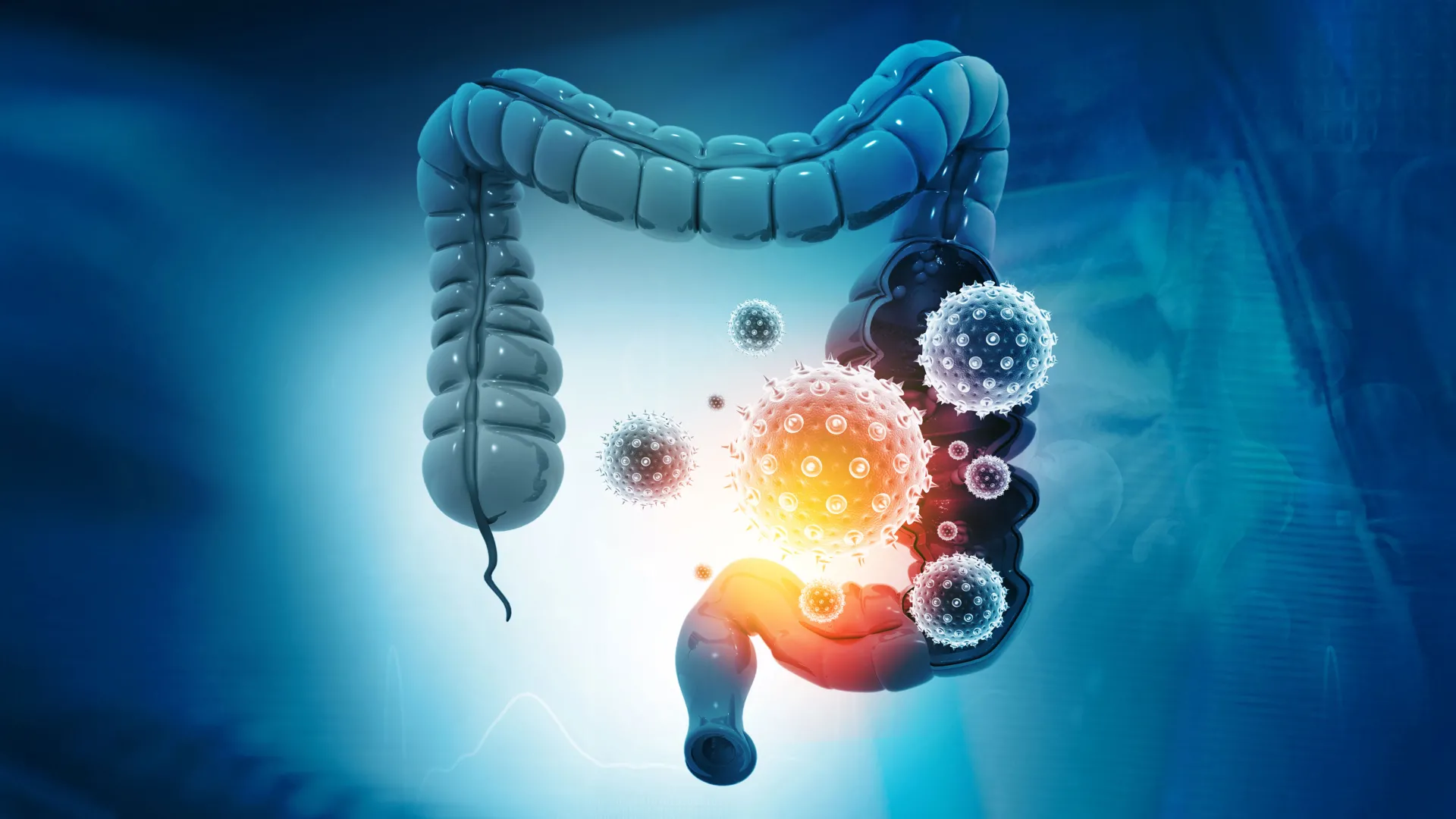
Gut microbiota Subspecies Analysis: A Novel, Non-Invasive Approach to Early Colorectal Cancer Detection
Colorectal cancer remains a meaningful global health challenge, ranking as teh second leading cause of cancer-related deaths worldwide. Despite being highly treatable in its early stages, diagnosis is frequently delayed due to patient reluctance stemming from the cost, discomfort, and invasive nature of current primary diagnostic methods – colonoscopies. now, groundbreaking research from the University of Geneva (UNIGE) offers a promising alternative: a highly accurate, non-invasive screening tool leveraging the power of machine learning and a detailed analysis of human gut bacteria. Published in Cell Host & Microbe, this study represents a paradigm shift in our understanding of the gut microbiome’s role in cancer detection and opens doors to a new era of preventative healthcare.
The Limitations of Current approaches & The Rise of Early-Onset cases
The late-stage diagnosis of colorectal cancer is a persistent problem, limiting treatment efficacy and impacting patient outcomes.Compounding this issue is the concerning increase in diagnoses among younger adults, a trend that remains largely unexplained. While the connection between gut microbiota and colorectal cancer has been recognized for some time, translating this knowlege into practical clinical applications has proven elusive. A key challenge lies in the complexity of the gut microbiome; different strains within the same bacterial species can exhibit opposing effects – some promoting disease, others remaining neutral.
Traditional analyses focusing on broad bacterial species or highly variable strains have lacked the necessary precision to reliably identify cancer indicators. This is where the UNIGE team’s innovative approach distinguishes itself.
Focusing on Microbial Subspecies: A New Level of Precision
“Rather of relying on the analysis of the various species composing the microbiota, which does not capture all meaningful differences, or of bacterial strains, which vary greatly from one individual to another, we focused on an intermediate level of the microbiota, the subspecies,” explains Mirko Trajkovski, Full Professor in the Department of Cell Physiology and Metabolism and in the Diabetes Center at the UNIGE Faculty of Medicine, and lead researcher on the project. “The subspecies resolution is specific and can capture the differences in how bacteria function and contribute to diseases including cancer, while remaining general enough to detect these changes among different groups of individuals, populations, or countries.”
This focus on subspecies allows for a more nuanced understanding of bacterial function and its impact on disease growth, offering a level of granularity previously unattainable.
Machine learning & the Creation of a Comprehensive Microbiota Catalog
The research team tackled the immense challenge of analyzing vast datasets using cutting-edge bioinformatic techniques. “As a bioinformatician, the challenge was to come up with an innovative approach for mass data analysis,” recalls Matija Trickovic, PhD student in Mirko Trajkovski’s laboratory and first author of the study. “We successfully developed the first comprehensive catalogue of human gut microbiota subspecies,together with a precise and efficient method to use it both for research and in the clinic.”
This meticulously curated catalogue, combined with existing clinical data, formed the foundation for a machine learning model capable of predicting the presence of colorectal cancer based solely on the bacterial composition of simple stool samples.
Remarkable Accuracy: A Potential Game-Changer in Screening
The results were, according to Trickovic, “striking.” The model demonstrated a 90% detection rate for colorectal cancer – a performance remarkably close to the 94% accuracy of colonoscopies, and significantly exceeding that of all currently available non-invasive screening methods.
This level of accuracy positions the technique as a potential routine screening tool, allowing for targeted colonoscopies only in patients identified as high-risk, thereby reducing the burden on healthcare systems and improving patient comfort. Further refinement of the model through integration of additional clinical data promises to further enhance its precision, potentially matching or even surpassing the accuracy of traditional colonoscopy.
Beyond Colorectal Cancer: A Future of Microbiome-Based Diagnostics
The implications of this research extend far beyond colorectal cancer. By dissecting the functional differences between subspecies within the same bacterial species, researchers are gaining critical insights into the mechanisms by which the gut microbiota influences overall human health.
“The same method coudl soon be used to develop non-invasive diagnostic tools for a wide range of diseases, all based on a single microbiota analysis,” concludes trajkovski.
A clinical trial is currently underway in collaboration with the Geneva University Hospitals (HUG) to further validate the model’s performance across different cancer stages and lesion types. This pioneering work heralds a new era of preventative medicine, where routine microbiome analysis empowers early detection, personalized treatment strategies, and a deeper understanding of the intricate link between our gut health and overall well-being.
Related reading