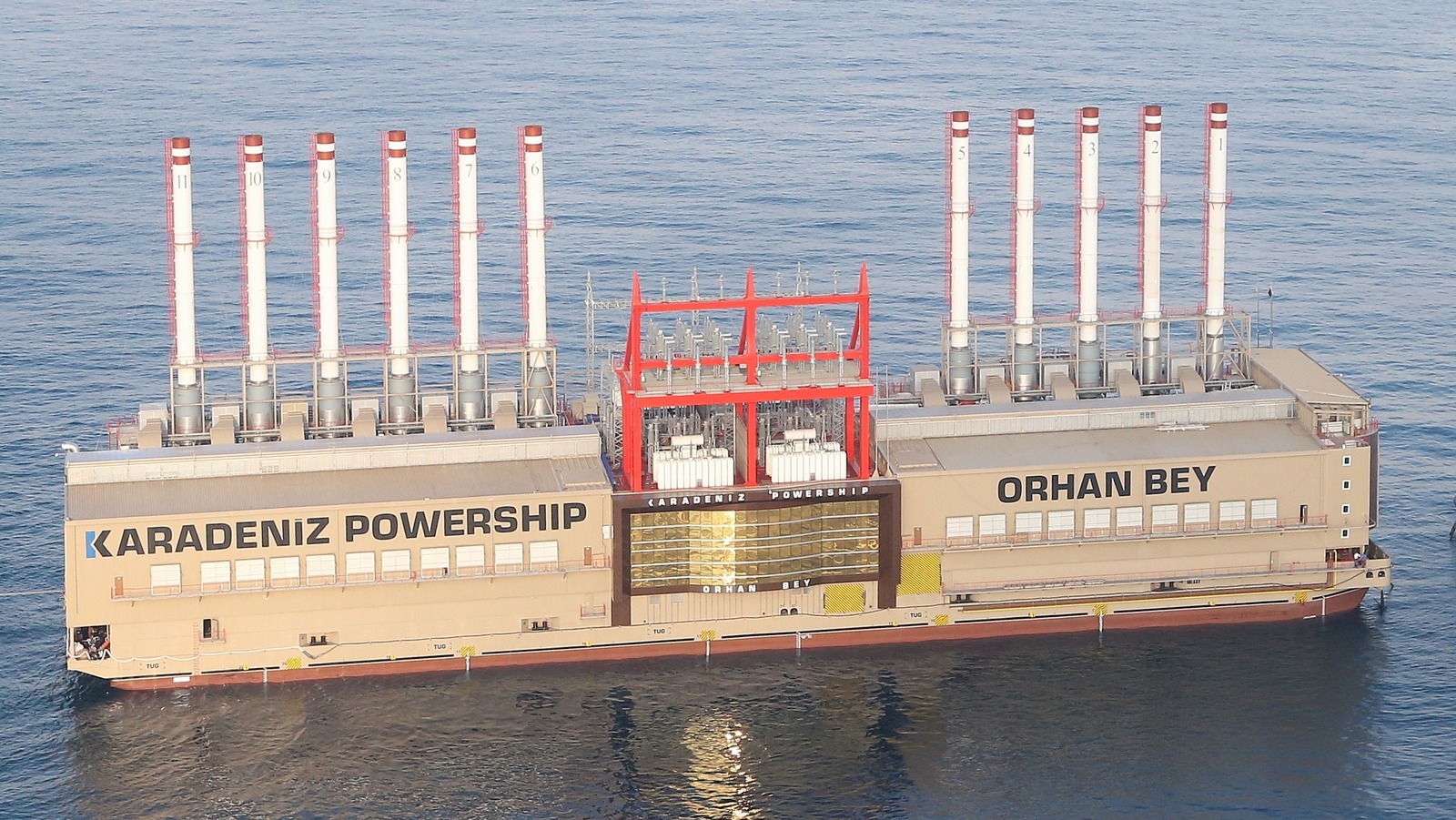
Powerships: A Rapid Response to Global Energy Needs
The world’s demand for electricity is constantly growing, but building traditional power plants can be a slow and expensive process. Increasingly,nations are turning to a unique solution: powerships. These are essentially floating power plants, offering a fast and flexible way to bring electricity to areas in need.
What are Powerships and How Do They Work?
Essentially, a powership is a ship equipped with generators. They take fuel – heavy fuel oil, refined fuel oil, or natural gas - and convert it into electricity.Once positioned near the shore, the vessel connects directly to a country’s existing power grid.
Think of it like a large-scale portable generator, but designed for continuous, substantial power output. The beauty of powerships lies in their “turnkey” nature. A company delivers the ship, sets up the connection, and electricity flows. This minimizes the need for extensive onshore infrastructure development.
Interestingly, the concept isn’t new. A converted Liberty Ship – a vital vessel from World War II - even utilized a nuclear reactor to power the Panama Canal Zone from 1968 to 1976. This demonstrates the long-standing potential of mobile power generation.
Who is Utilizing Powerships and Why?
Several countries are currently relying on powerships to supplement or even provide a significant portion of their electricity. You’ll find them in operation in:
Iraq
Lebanon
Cuba
Senegal
Indonesia
Mozambique
These nations often choose powerships due to factors like:
Speed of Deployment: They can be operational much faster than building a land-based power plant. Adaptability: Powerships can be relocated as energy demands shift.
Reduced Infrastructure Costs: Minimal onshore investment is required.
Fuel Versatility: Modern powerships can operate on various fuel types,optimizing efficiency and cost.
Understanding the Different Classes of Powerships
Powerships come in various sizes, tailored to different energy needs. Here’s a breakdown:
Seal Class: Generates up to 40 megawatts of power.
Khan Class: Boasts a massive capacity of up to 470 megawatts.
For context,a typical large onshore power plant generates hundreds of megawatts,sometimes exceeding 1,000. The Khan class ships are truly impressive. They can reach lengths of up to 984 feet (300 meters) and carry 38,000 metric tons of fuel.
One example, the Osman Khan, is a dual-fuel vessel capable of running on both heavy oil and natural gas.Despite their size, these ships have a shallow draft – only 16 to 23 feet – allowing access to ports that larger vessels cannot reach.
The growing Demand for Powerships
The ability to switch between fuel sources is a key advantage of modern powerships. This adaptability allows for efficient operation and the use of the most cost-effective fuel available. This efficiency, coupled with minimal infrastructure requirements, is driving increased adoption worldwide.
As a notable example, in 2015 and 2016, a single provider secured contracts to supply 1,000 megawatts of electricity to four Indonesian islands. These powerships now provide between 10% and 80% of the electricity for each island.
Ultimately, powerships are proving to be a vital solution for keeping the lights on in areas were traditional power infrastructure is struggling to meet demand. They represent a dynamic and increasingly vital component of the global energy landscape.
Keep reading