The Rising Tide of the Right in Norway: A Shift in Political Landscape
Norway is experiencing a notable shift in its political landscape, wiht the far-right gaining significant traction among voters, particularly the younger generation. Recent elections demonstrate a growing appetite for stricter immigration policies and a re-evaluation of the country’s social integration strategies. This isn’t simply a fleeting trend; it represents a deeper, evolving sentiment within Norwegian society.
A Surge in Support for the Far-Right
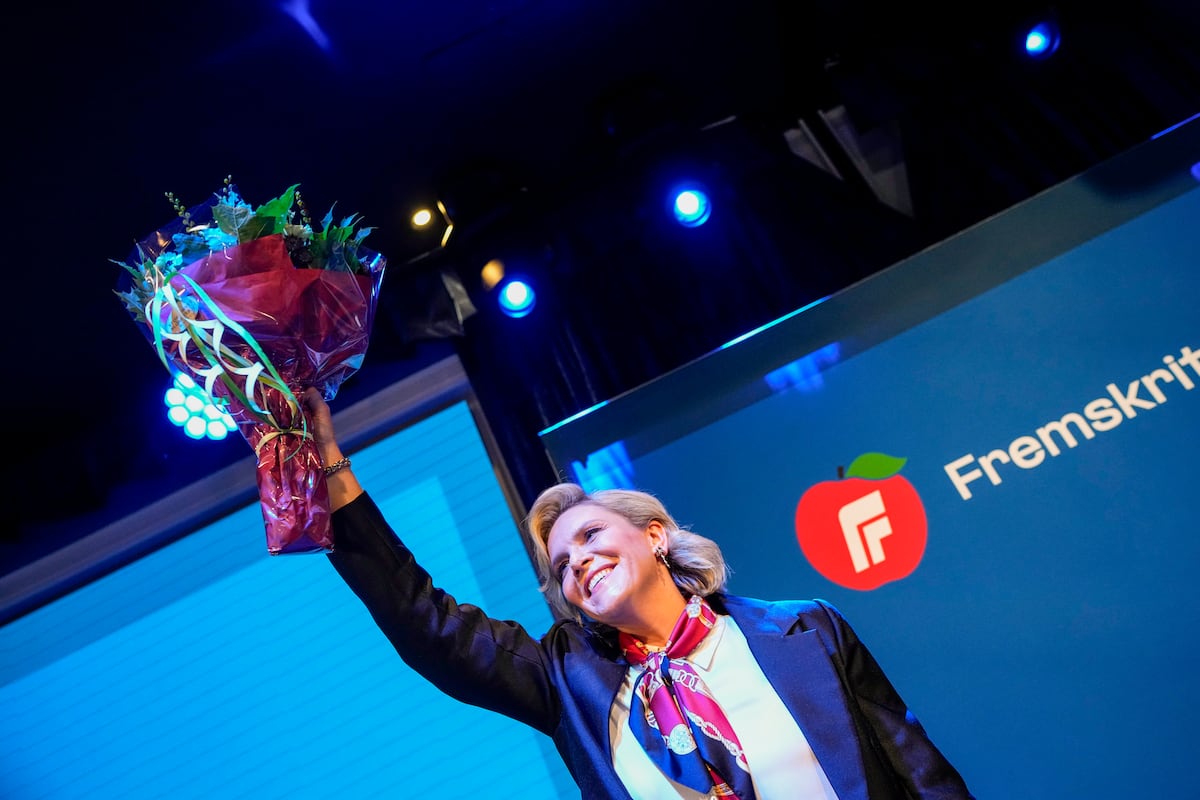
The Progress Party, a leading ultraright force in Norway, achieved its best-ever electoral results recently, signaling a clear increase in its support base. While leaders expressed satisfaction with the outcome, they also acknowledged the potential for even greater gains. This momentum is fueled by concerns over immigration, crime, and the perceived strain on public resources.
Several factors are contributing to this rise. Let’s break them down:
Immigration Concerns: A central tenet of the far-right’s platform revolves around limiting immigration, particularly from the Middle East, Africa, and Asia.
Economic Anxiety: Many Norwegians express concerns about the financial burden of supporting a growing immigrant population.
Safety and Security: Reports of rising crime rates, often linked (though not always accurately) to immigrant communities, are amplifying anxieties about public safety.
Influence of Neighboring experiences: The experiences of countries like Sweden, which have faced challenges with organized crime and social segregation, are resonating with Norwegian voters.
The Youth Vote: A key Demographic
Perhaps the most striking aspect of this political shift is the increasing support among young Norwegians. Analysis suggests that today’s youth are more conservative then previous generations. the Progress Party has successfully tapped into this demographic, particularly among young men.
consider these points:
First-Time Voters: The far-right is attracting a significant number of first-time voters. School Elections as a Barometer: Mock elections held in schools across the country,designed to encourage political engagement,saw a resounding victory for the Progress Party.
Shifting Values: A potential shift in values among young people, prioritizing national identity and cultural preservation, might potentially be at play.policy Proposals and Future Outlook
The Progress Party is advocating for a range of policies aimed at curbing immigration and strengthening national borders. These include:
Externalization of Asylum Processing: Exploring the possibility of establishing asylum processing centers in third countries deemed “safe.”
Restrictive Asylum Policies: Calls for limiting asylum access, with some voices even suggesting prioritizing Christian refugees.
Increased Deportations: Advocating for expanded deportation measures for individuals whose asylum claims are rejected.
Looking ahead, the Progress Party is positioning itself for continued growth.Despite falling short of initial expectations in the recent elections, leaders are confident of achieving further success in 2029. They promise a strong opposition in the meantime, actively challenging the current government’s policies.
Understanding the Broader Context
This rise of the right in norway isn’t happening in a vacuum. It’s part of a broader trend observed across Europe, where concerns about immigration, national identity, and economic security are fueling support for populist and nationalist movements. You might be wondering what this means for Norway’s future.
It suggests a potential for:
Stricter immigration Laws: A tightening of immigration policies and border controls.
Increased Focus on National Identity: Greater emphasis on preserving Norwegian culture and values.
* Shift in Social Welfare Policies: Potential adjustments to social welfare programs to address concerns about financial sustainability.
ultimately, the evolving political landscape in Norway reflects a complex interplay of factors. It’s a story of shifting demographics, economic anxieties, and a growing desire for change.As the country navigates these challenges, it will be crucial to foster open dialogue, address legitimate concerns, and ensure that all voices are heard.
Worth a look
- Can the Left Win the Midwest? Abdul El-Sayed and the Michigan Senate Primary Battle
- Gangwon Office of Education to Gather Opinions on Local Education Grants Revision Amid Backlash
- Apple Stock Drops as Weak Revenue Forecast Overshadows Record Results (time.news)
- Savory Ground Beef and Bell Pepper Recipe by Halima Pflipsen (newsdirectory3.com)