
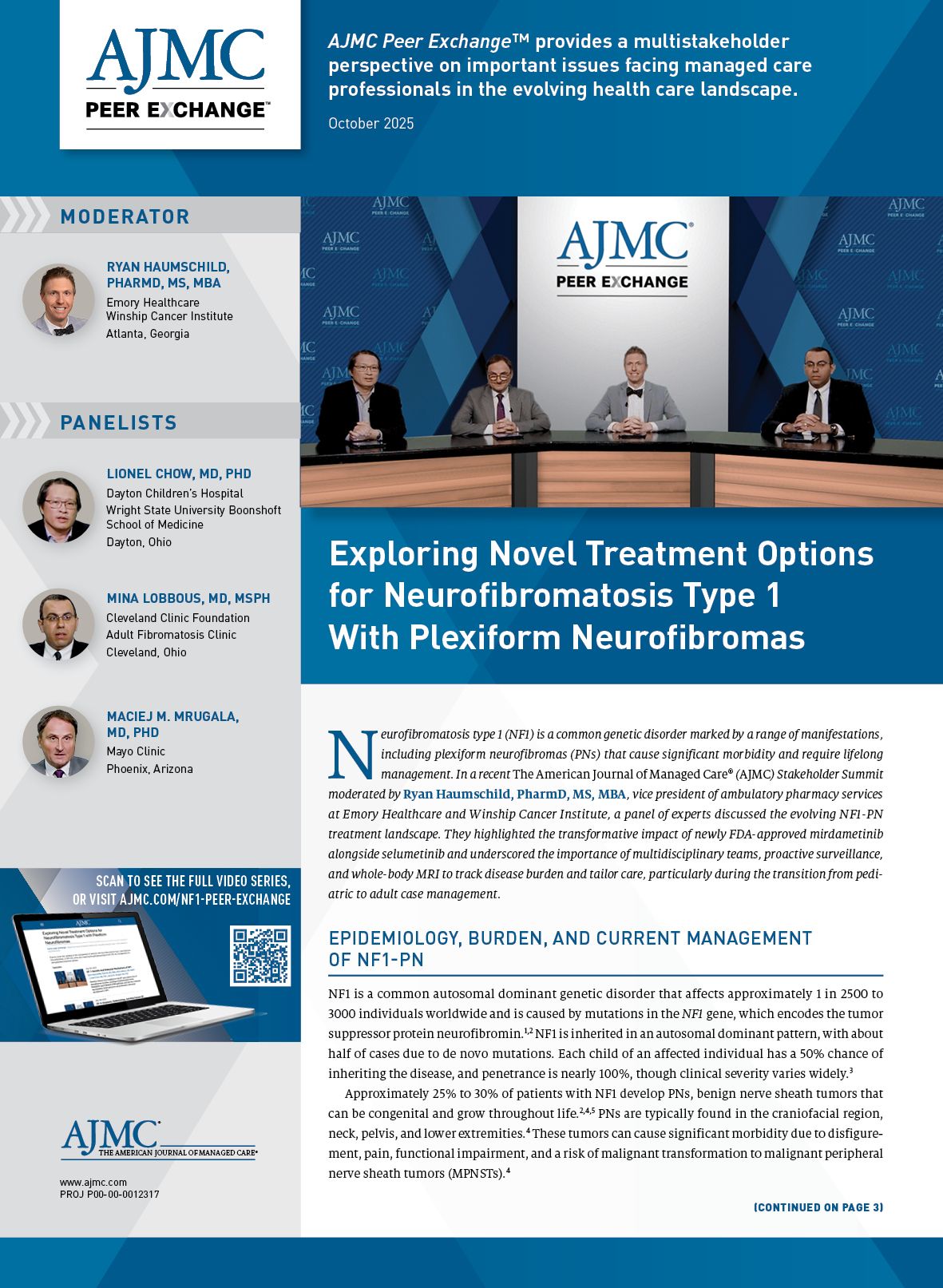
Navigating neurofibromatosis Type 1: A Comprehensive Guide to Understanding adn Management
Neurofibromatosis type 1 (NF1) is a complex genetic condition that can present a wide range of challenges throughout your life. Understanding the condition, its potential complications, and available management strategies is crucial for optimizing your health and well-being. This guide provides a detailed overview of NF1, covering diagnosis, treatment, and the importance of a multidisciplinary approach to care.
What is Neurofibromatosis Type 1?
Essentially, NF1 is caused by a mutation in a gene that controls cell growth. This mutation can led to the growth of tumors along nerves throughout the body. These tumors, called neurofibromas, are usually benign, but can sometimes cause complications depending on their size and location.
It’s vital to remember that NF1 affects individuals very differently. Some may experience mild symptoms, while others face more meaningful health concerns.
recognizing the Signs: Diagnosis and Symptoms
Diagnosing NF1 typically involves a clinical evaluation based on specific criteria. These include the presence of six or more café-au-lait spots (flat, brown spots on the skin), neurofibromas, freckling in the armpits or groin, and specific bone abnormalities.
Beyond these diagnostic markers, you might experience a variety of symptoms, including:
* Learning disabilities or attention deficit hyperactivity disorder (ADHD).
* Optic gliomas (tumors on the optic nerve).
* Skeletal abnormalities, such as scoliosis.
* High blood pressure.
* Plexiform neurofibromas, which are larger, more complex tumors that can grow along nerves and cause significant disfigurement or functional impairment.
Treatment Options: A Shifting Landscape
Historically, management of NF1 focused on monitoring and treating symptoms as they arose. though, recent advancements in targeted therapies have revolutionized the treatment landscape, particularly for plexiform neurofibromas.
* MEK Inhibitors: Medications like selumetinib and mirdametinib have shown remarkable promise in shrinking plexiform neurofibromas, especially in children. These drugs target a specific pathway involved in tumor growth.
* Surgical Intervention: Surgery may be necessary to remove neurofibromas that are causing pain,disfigurement,or functional problems.
* Other Therapies: Depending on your specific symptoms, you may benefit from treatments for high blood pressure, scoliosis, or learning disabilities.
It’s vital to understand that managing side effects associated with these treatments is a critical component of care. Close monitoring and proactive management can substantially improve your quality of life.
The Power of a Multidisciplinary Team
Effective NF1 management requires a collaborative approach involving a team of specialists. This team should include:
* A geneticist to confirm the diagnosis and provide genetic counseling.
* A neurologist to address neurological complications.
* An oncologist to manage tumor growth and treatment.
* A dermatologist to monitor skin manifestations.
* A surgeon to consider surgical options.
* A pediatrician or internist for general medical care.
* A psychologist or educational specialist to address learning and behavioral challenges.
This coordinated care ensures that all aspects of your health are addressed comprehensively.
Transitioning to Adult Care: A Critical Step
as you transition from pediatric to adult care, it’s essential to find a healthcare provider experienced in managing NF1. This transition can be challenging, as adult healthcare systems may not be as familiar with the condition.
Proactive communication with your pediatric team and a thorough transfer of medical records are crucial for a smooth transition.Don’t hesitate to advocate for your needs and seek out specialized care.
Living Well with NF1: Focus on Quality of Life
While NF1 can present significant challenges, it doesn’t have to define your life. Focusing on your overall well-being is paramount.
![College Football Rankings: Clemson Rises, Oklahoma State Falls – Week [Current Week Number] Updates](https://i0.wp.com/sportshub.cbsistatic.com/i/r/2025/09/16/13e716de-a9c8-4368-8b67-a583d8c1ecc3/thumbnail/1200x675/1deadcc997841a0b6e11c4c746bed76d/clemson.jpg?resize=150%2C150&ssl=1 "College Football Rankings: Clemson Rises, Oklahoma State Falls – Week [Current Week Number] Updates")



![Prostate Cancer Recovery: A Doctor’s Story [Podcast]](https://i0.wp.com/kevinmd.com/wp-content/uploads/The-Podcast-by-KevinMD-WideScreen-3000-px-4-scaled.jpg?resize=330%2C220&ssl=1 "Prostate Cancer Recovery: A Doctor’s Story [Podcast]")


