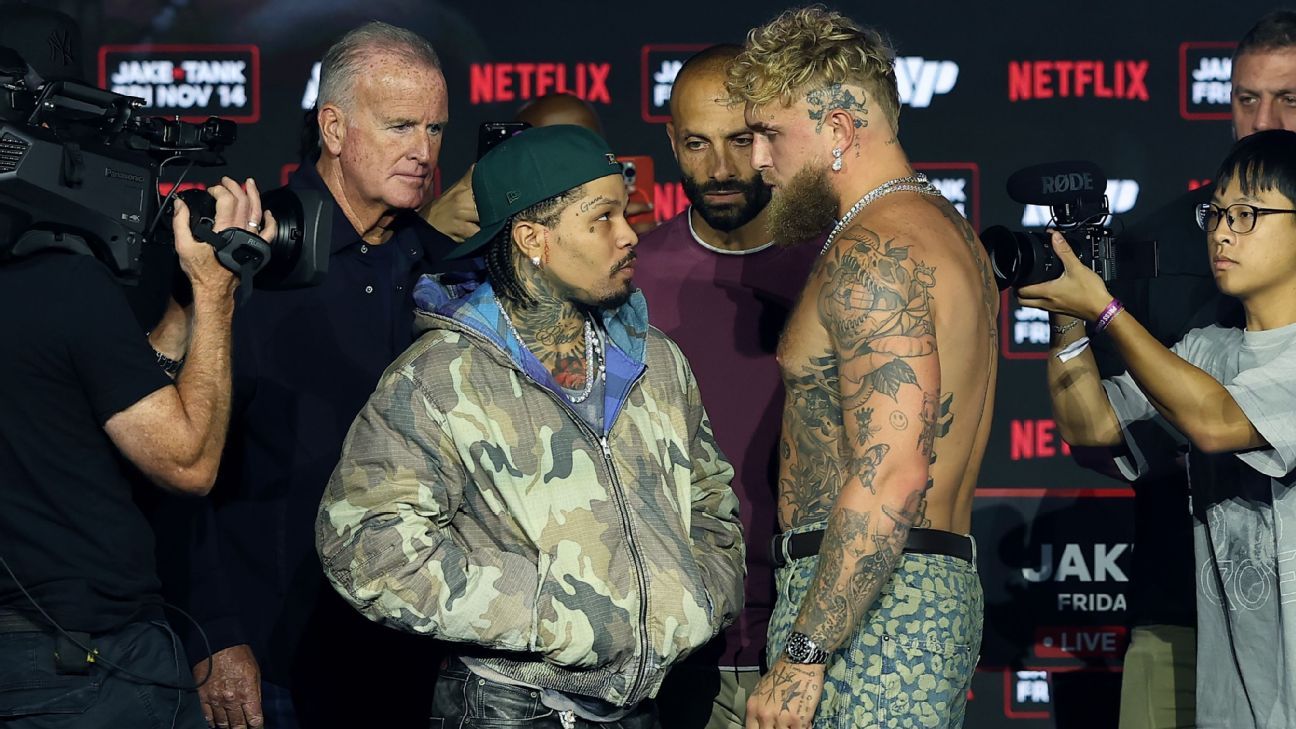
Jake Paul vs. Gervonta Davis: A Deep Dive into the Rules, Controversy, and What to Expect
The highly anticipated November 14th showdown between Jake Paul and Gervonta “Tank” Davis is generating significant buzz, and not just for the novelty of the matchup.Beyond the clash of personalities and fighting styles, the specifics surrounding the fight – from the ruleset to the venue change – have sparked debate and raised questions about fighter safety and promotional practices. This article provides a extensive breakdown of everything you need to know about this unique boxing event.
The Rules: A Blend of Exhibition and Competition
Most Valuable Promotions (MVP), co-founded by Jake Paul, revealed the fight will be a 10-round exhibition bout. Though, don’t mistake “exhibition” for a lack of seriousness. The rounds will be a full three minutes long – standard for professional fights – and three ringside judges will score the action. A winner will be declared if the fight goes the distance.
A key element of the ruleset centers around glove weight. Both fighters will wear 12-ounce gloves. This is a notable point, as Davis typically competes with 8-ounce gloves at welterweight (147 pounds) and below. Paul usually fights with 10-ounce gloves,the norm for weights above welterweight,with the exception of his exhibition against Mike Tyson where both fighters used 14-ounce gloves.
The maximum weight limit is set at 195 pounds. This presents a significant disparity, a point we’ll explore further.
The venue Shift and Regulatory Scrutiny
Originally slated for State Farm Arena in Atlanta, the fight was moved to Kaseya Center in Miami. This change stemmed from MVP withdrawing its request to stage the fight in Georgia after facing criticism from the Georgia Athletic and Entertainment Commission (GAEC).
Rick thompson, chairman of the GAEC, publicly voiced concerns about the weight difference between Paul and Davis, stating that MVP was “promoting something they should not have been.” This highlights a central point of contention: the potential risk to Davis, a naturally smaller fighter, when facing a significantly larger opponent.
Weighing the Disparity: A Closer Look at the Fighters
Gervonta Davis (30-0-1, 28 KOs) is a decorated professional, currently holding the WBA lightweight championship. His most recent fight saw him compete at 133.8 pounds in a majority draw against Lamont Roach Jr. Davis has never fought above 140 pounds in his professional career.His power and precision have made him one of boxingS most exciting and dangerous fighters.
Jake Paul (12-1, 7 KOs) operates at a different weight class. He currently campaigns at cruiserweight, tipping the scales at 199.4 pounds for his June victory over Julio Cesar Chavez Jr. Paul’s weight has fluctuated, reaching as high as 227.2 pounds against Tyson and as low as 183.75 pounds in his loss to Tommy Fury. This ample weight difference is the core of the regulatory concerns.
Why the Controversy? Understanding the Risks
The weight disparity isn’t simply about size. It’s about power, leverage, and potential for injury. A larger fighter naturally carries more weight behind their punches, increasing the risk of significant damage to a smaller opponent. While the 12-ounce gloves aim to mitigate some of this risk, they don’t eliminate it entirely.
Critics argue that sanctioning a fight with such a weight difference, even as an exhibition, sets a dangerous precedent and prioritizes entertainment over fighter safety. The debate underscores the complexities of navigating the evolving landscape of boxing,particularly with the increasing involvement of non-traditional boxing personalities.
Evergreen Section: The Evolving Landscape of Boxing and Exhibition Fights
The Jake Paul vs. Gervonta Davis fight is emblematic of a broader shift in the boxing world. The rise of influencer boxers like Paul has brought new audiences and revenue streams to the sport, but it has also challenged traditional norms and sparked debates about the integrity of competition.
Exhibition fights, once reserved for aging legends or charity events, are becoming increasingly common. while they can provide entertainment and generate interest, they also raise questions about the balance between spectacle and safety. The future of boxing will likely involve a continued negotiation between these forces, with regulators and promoters grappling with how to adapt to a changing landscape while protecting the well-being of fighters.Expect to see more scrutiny of weight differences, rulesets, and the overall purpose of
Related reading
- Incolour SSR Review: Blisteringly Fast, Unbearably Uncomfortable
- CPBL: Fubon Guardians’ Second-Half Struggles & Lin Wei-chu’s Advice on Overcoming Slumps
- Sean Diddy Combs Sent to Solitary Confinement After Prison Fight and Release Date Moved (newsdirectory3.com)
- The Congressional Review Act, Explained: How Congress Kills Federal Rules (daybreakwire.com)