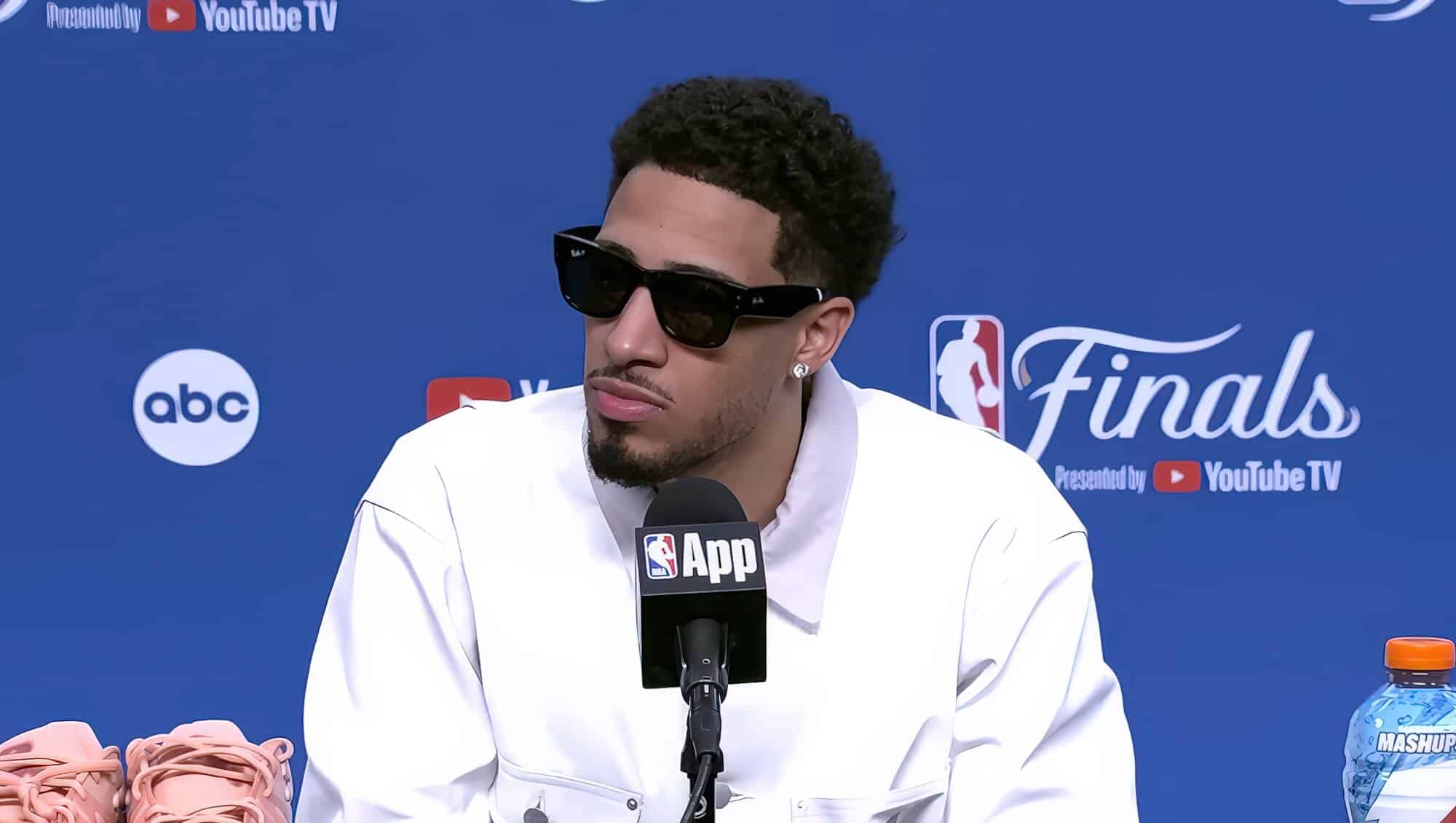
Tyrese Haliburton: Embracing the Villain Role and Mastering the Art of the Heel
Tyrese Haliburton, the electrifying point guard for the Indiana Pacers, has quickly become a beloved figure in Indianapolis.But don’t mistake his warm reception at Gainbridge Fieldhouse for worldwide adoration. The All-Star embraces a different persona on the road – a calculated “heel,” thriving on the boos and animosity of opposing crowds. This isn’t accidental; it’s a deliberate strategy, and Haliburton is remarkably adept at it.
The Psychology of the NBA Heel
What dose it mean to be a ”heel” in the context of professional sports? It’s about playing the antagonist,the character fans love to hate.This role isn’t about genuine dislike, but about generating a reaction. A strong reaction,whether positive or negative,equates to engagement.
Haliburton understands this dynamic perfectly. “I think that I’m a heel by nature. when I’m not in Indiana,” he explained on the What’s Your Story? podcast. “Here,I think I smile a lot,I have fun. People enjoy when I’m here. Thay cheer me here, but anywhere outside of Indiana, I’m kind of a bad guy. I enjoy it. It’s so much more fun.”
This ability to switch personas is a testament to Haliburton’s basketball IQ and his understanding of crowd psychology. He recognizes that stirring the pot can be just as effective as making a highlight-reel play.
The NXT Experiment: Testing the Waters
Haliburton recently put his “heel” persona to the test in a surprising arena: WWE NXT. Tasked with overseeing a contract signing between Ethan page and trick Williams, he anticipated a warm welcome, especially after NXT executive Shawn michaels assured him the crowd would be receptive. He was quickly proven wrong.
“I walked out there and I’m out there before it comes back to TV, and I’m already getting booed, like, before TV even started,” Haliburton recounted. Undeterred, he leaned into the negativity, drawing inspiration from professional wrestling’s playbook.
Learning from The Rock: The Art of the Local Jab
The key to generating heat, Haliburton discovered, lies in a time-honored tradition: playfully antagonizing the local sports teams. This tactic, perfected by legends like Dwayne “The Rock” Johnson, is a surefire way to elicit a reaction.
Remember The Rock’s infamous guitar performance in Sacramento, aimed squarely at the Kings fanbase? Haliburton channeled that energy. ”I have to take a jab at their sports teams. I guess that’s kind of the go-to that I’ve tried to learn,” he said.
During the NXT appearance, he quickly improvised, quipping, “Yeah, I would boo too if I had to cheer for the Magic.” The Orlando crowd responded exactly as planned, and even the Magic players took notice. It was a masterclass in real-time crowd work.
From Indiana Darling to Road Villain
Haliburton’s on-court demeanor contributes to this duality. His expressive style and occasional confrontational plays endear him to Pacers fans but make him a target for opposing supporters. Cities like New York and milwaukee have already experienced his ability to ignite a rivalry.
This isn’t about being genuinely disliked. It’s about embracing a role, understanding the audience, and maximizing engagement.Tyrese Haliburton isn’t just a talented basketball player; he’s a performer, a strategist, and a master of the “heel” persona.
Evergreen Insights: The power of Persona in Sports
The concept of the “heel” isn’t unique to basketball or even sports. It’s a fundamental element of storytelling, present in everything from wrestling to reality television. Here’s why embracing a defined persona can be so effective:
* Increased Memorability: A strong persona makes you stand out.
* Enhanced Engagement: Love or hate, a persona generates a reaction.
* Brand Building: A well-defined persona can become synonymous with your name.
* Rivalry Creation: Antagonism fuels competition and elevates the stakes.
For athletes, understanding and leveraging these principles can translate to increased popularity, marketability, and ultimately, success.