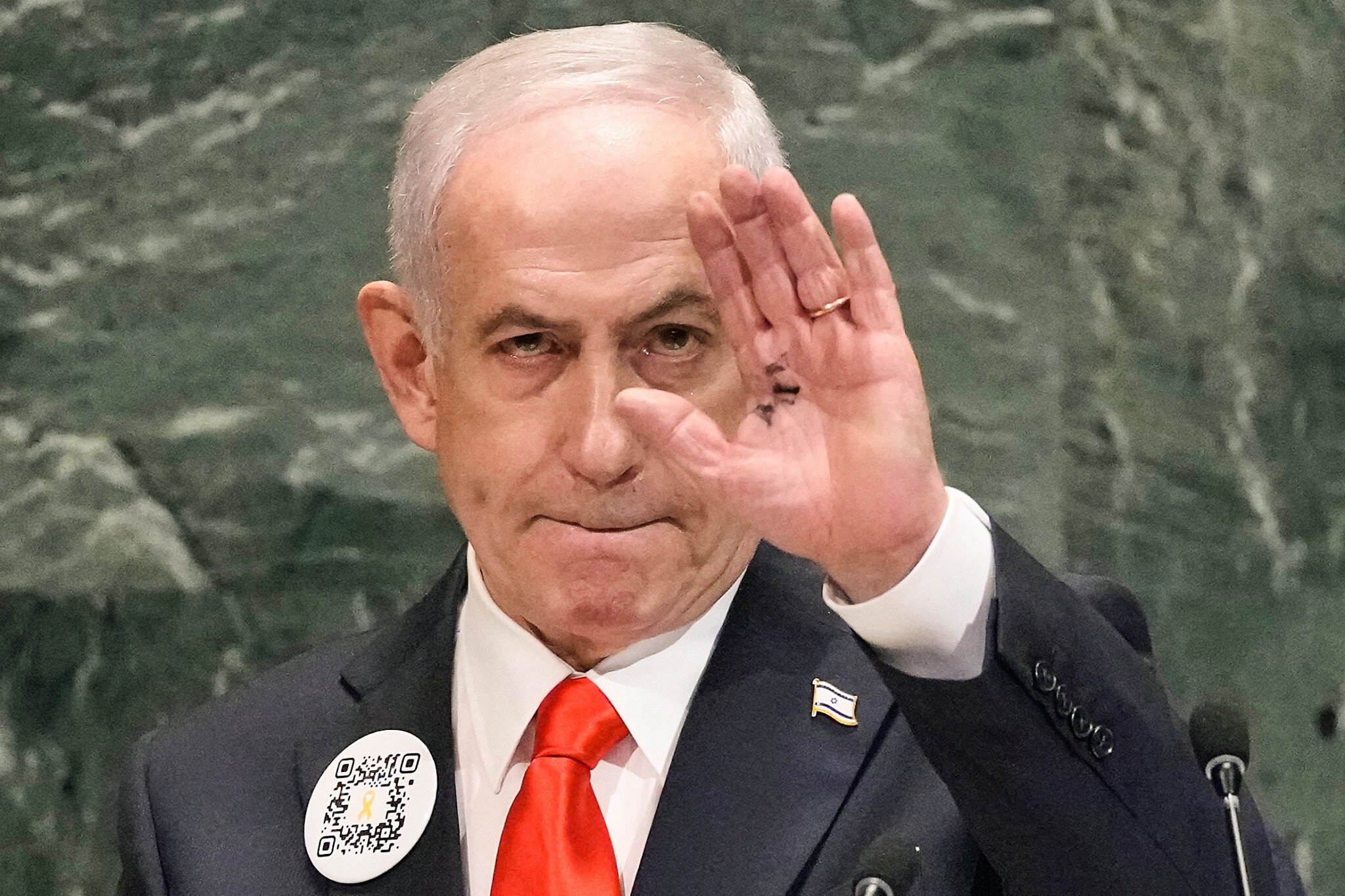
Shifting Sands in the Middle East: Israel’s Vision for a New Regional Order
The geopolitical landscape of the Middle East is undergoing a significant transformation, marked by evolving conflicts, fragile peace initiatives, and a renewed focus on regional cooperation.Recent statements by Israeli prime Minister Benjamin Netanyahu at the United Nations General Assembly outline a bold vision for the future,one predicated on containing Iranian influence and expanding the Abraham Accords. This article delves into the key elements of this vision, the challenges it faces, and the potential implications for the region and beyond.
Confronting Iranian Influence & Regional Stability
Netanyahu’s address underscored a central concern: the resurgence of Iranian proxies and adversaries in Syria and Lebanon. These groups, he argues, pose a direct threat to regional stability. However, this assertive approach is facing some pushback.
Even the United States, traditionally a strong ally of Israel, has expressed reservations about escalating strikes against these groups. Washington believes such actions could hinder reconstruction efforts in both Syria and Lebanon, perhaps undermining the progress made with leaderships seemingly committed to distancing themselves from Tehran’s orbit.
This divergence highlights a complex dynamic – a shared goal of limiting Iranian influence, but differing strategies on how to achieve it.
The Promise of Expanded Peace: Beyond the Abraham Accords
Netanyahu presented a compelling argument linking Israeli strength to the potential for broader peace. he believes a decisive “victory over Hezbollah” has paved the way for normalization with its Arab neighbors to the north. Furthermore, he contends that overcoming Hamas will unlock peace agreements with nations across the Arab and Muslim world.
At the heart of this strategy lies the expansion of the Abraham Accords. These historic agreements, initially brokered under the Trump administration, normalized relations between Israel and several Arab states. Netanyahu envisions a “dramatic extension and expansion” of these accords, promising significant benefits for participating nations.
A new Era of Cooperation: Technology and Shared Interests
The potential benefits of cooperation with Israel are substantial, according to Netanyahu. He highlighted israel’s technological prowess, specifically in areas like:
* Medicine and science
* Agriculture and water management
* Defense technologies
* Artificial intelligence (AI)
These advancements, he argues, could be transformative for Arab and Muslim nations, fostering economic growth and addressing critical regional challenges.
Notably,encouraging words from Indonesian President Joko Widodo – representing the world’s largest Muslim-majority nation – were cited as a positive sign. This acknowledgement of Israel’s security needs from a key Muslim leader is seen as a potential harbinger of broader shifts in regional attitudes.
Looking Ahead: A transformed Middle East and a Renewed Iran
Netanyahu painted a picture of a future Middle East dramatically different from the present. He predicted the decline of those currently engaged in conflict with Israel, replaced by “brave peacemakers.”
Crucially,his vision extends to Iran itself. He expressed confidence that the iranian people will eventually “regain their freedom” and “make Iran great again.” He even dared to predict a restoration of friendship between Israel and Iran, believing it would benefit the entire world.
challenges and Considerations
While Netanyahu’s vision is enterprising, several challenges remain. The ongoing conflicts in Syria, Lebanon, and Gaza present immediate obstacles. Deep-seated mistrust and historical grievances will require sustained diplomatic efforts to overcome.
Moreover, the internal political dynamics within Arab nations and the evolving role of external actors like the United States and China will significantly shape the region’s future.
Ultimately, the success of Netanyahu’s vision hinges on a delicate balance of strength, diplomacy, and a genuine commitment to peaceful coexistence. You, as an observer of Middle Eastern affairs, should consider these factors as the region navigates this period of profound change.
Worth a look