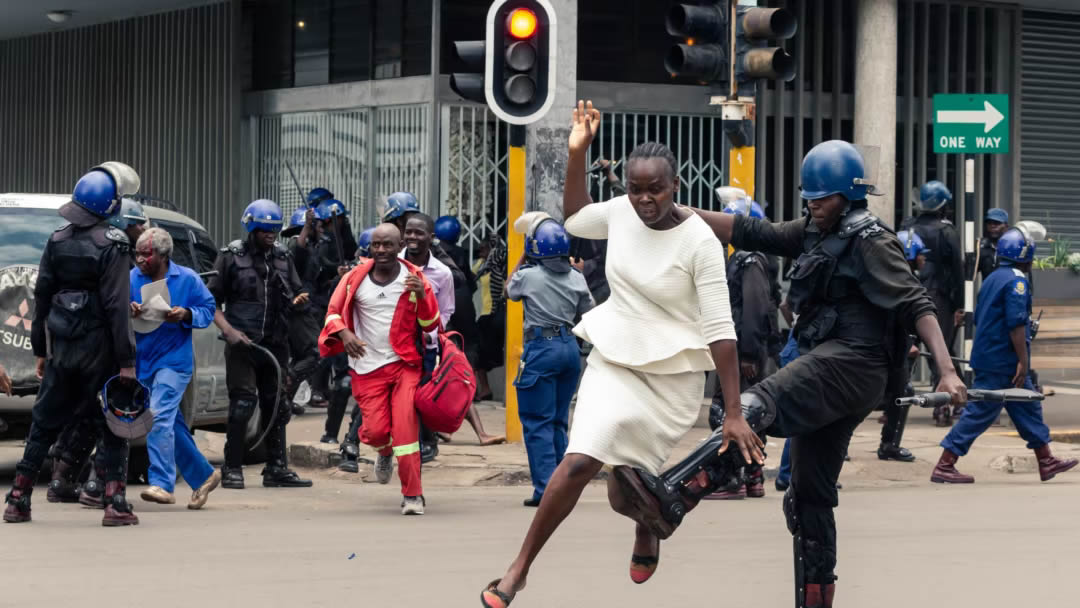
As opposition activists and ZAPU prepare for nationwide demonstrations on July 31, 2026, against controversial presidential term extensions, Zimbabwe’s ruling Zanu PF government has deployed soldiers and police nationwide. Provincial ministers have warned citizens against protests, insisting that security forces remain on high alert.
Security Forces Deployed Across Zimbabwe Ahead of July 31 Protests
The Zanu PF government responded sharply to planned demonstrations scheduled for July 31, 2026, dispatching provincial ministers alongside military commanders and senior police officers to warn citizens against taking to the streets. The planned mobilization follows public anger over recently enacted constitutional changes that extend President Emmerson Mnangagwa’s term by two years—moving the next vote from 2028 to 2030—and replace direct presidential elections with a vote by parliament, according to reporting by Zimlive.
Provincial leaders rolled out coordinated press briefings across the country. Ezra Chadzamira, minister of state for Masvingo province; Owen Ncube, minister of state for Midlands province; and Marian Chombo, minister of state for Mashonaland West province, led the government pushback. Flanked by high-ranking security officials, the ministers framed the planned demonstrations as illegal attempts to derail national progress.
“We cannot allow a few individuals with selfish agendas to reverse the gains we have made in dam construction, road rehabilitation, rural electrification and investment attraction.”
Marian Chombo, Minister of State for Mashonaland West Province, via Zimlive
In neighboring regions, security posture intensified similarly. Ncube appeared alongside an Air Force of Zimbabwe chief to caution the public, declaring that state security assets were fully mobilized to ensure peace and tranquillity prevail and to protect normal business operations against what officials termed sponsored machinations.
Constitutional Amendment Number 3 and the Catalyst for Dissent
The current political friction centers on the passage and promulgation of the Constitution of Zimbabwe Amendment (No. 3) Act, known as CAA3. The legislative change fundamentally alters presidential governance by lengthening the incumbent administration’s mandate and bypassing direct voter participation.
Opposition party ZAPU formally notified police of its intention to stage a peaceful gathering on July 31, 2026. The party argued that any profound modification of the supreme law ought to have first been submitted to a referendum under section 328 of the constitution, maintaining that the amendments severely undermine core political rights.
Home Affairs and Cultural Heritage Minister Kazembe Kazembe dismissed the opposition movement as wishful thinking, telling state media that the nation operates under strict legal order where things were done constitutionally. Meanwhile, National Constitutional Assembly leader Professor Lovemore Madhuku voiced strong backing for the demonstrations on social media, asserting that the populace is determined to peacefully reject the executive’s extended timeline.
Echoes of 2020 and State Intelligence Posture
For many Zimbabweans, the July 31 date carries heavy historical weight. The date marks the anniversary of the 2020 anti-corruption protests, which brought a severe state crackdown involving mass arrests of activists, journalists, and opposition figures like Jacob Ngarivhume and investigative journalist Hopewell Chin’ono, as noted by reporting from MyZimbabwe.
Security analysts point out that the state’s aggressive posture reflects a deep-seated sensitivity surrounding the psychological trigger of that date, compounded by public frustration over the rising cost of living. While streets in Harare and Bulawayo remained largely quiet, intelligence services reportedly expanded surveillance and roadblocks across urban centers.
National police spokesman Commissioner Paul Nyathi issued a formal reassurance to the public regarding nationwide deployments, emphasizing that law enforcement presence is designed to maintain public order while allowing citizens to carry out their daily routines.
“In that regard, Zimbabweans must feel free to engage in normal day to day activities without hindrance,”
Commissioner Paul Nyathi, National Police Spokesperson, via Zimlive
Worth a look
- Seattle Mariners Injury Update: Left Knee Soreness Sidelines Player at Dodger Stadium
- South African Fuel Relief Evaporates as Steep Diesel Hikes Forecast
- Spain Deploys Military to Ceuta After Massive Migrant Surge From Morocco (archyworldys.com)
- Mandela Barnes Struggles to Gain Traction Ahead of August Primary (news-usa.today)