Slovakia enshrines customary gender roles in constitutional amendment, sparking international concern
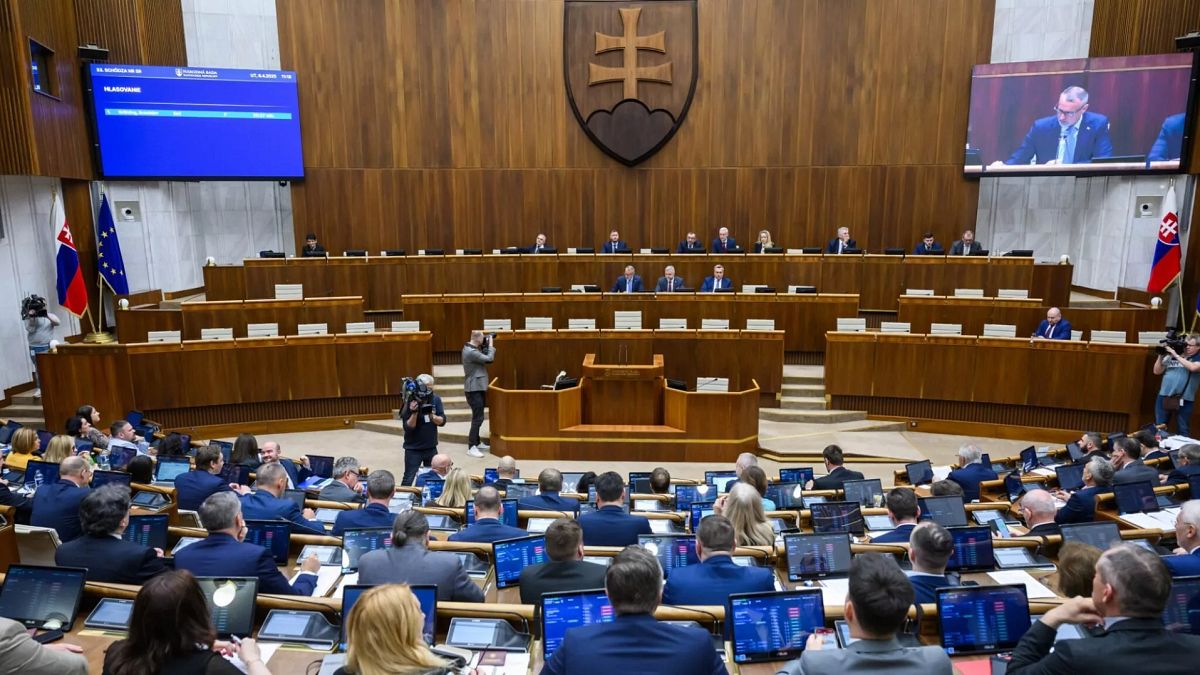
Slovakia’s parliament has approved a sweeping constitutional amendment on Friday, September 26th, 2025, fundamentally redefining concepts of sex, family, and national identity. The move has ignited a firestorm of criticism from international human rights organizations and raised concerns about the contry’s commitment too European values. This amendment, championed by Prime Minister Robert Fico‘s government, passed with a important majority of 90 votes in the 150-seat National Council, bolstered by support from conservative opposition lawmakers.
Key Changes Introduced by the Amendment:
* Redefinition of Sex: The constitution now explicitly recognizes only two sexes: male and female.
* National Identity Sovereignty: Slovakia asserts its sovereignty in defining “national identity,” particularly concerning “fundamental cultural-ethical questions.” This definition remains intentionally broad.
* Restrictions on Adoption: the amendment significantly restricts adoption rights, prioritizing married couples.
* Parental Consent for Education: Parental consent is now mandatory for children to access sexual education.
* Equal Pay Guarantee: The amendment guarantees equal pay for men and women.
These changes build upon existing constitutional definitions, including the established understanding of marriage as solely between a man and a woman. Justice Minister Boris Susko defended the amendment, stating it aims to reinforce traditional values within Slovak society.
International Backlash and Concerns
The amendment has drawn swift and strong condemnation from prominent international bodies. Amnesty International released a statement expressing deep concern, drawing parallels to policies enacted in Hungary that have demonstrably eroded human rights. The Council of Europe’s Commissioner for Human Rights, Michael O’Flaherty, previously warned against the changes.
O’Flaherty highlighted the potential for the amendment to:
* Deny the lived realities of transgender and intersex individuals.
* Undermine access to legal gender recognition.
* Violate Slovakia’s international human rights obligations by invoking “national identity” to justify rights restrictions.
These concerns center on the potential for discrimination and the erosion of protections for vulnerable populations. You might be wondering what this means for individuals within Slovakia. The amendment’s vague language regarding “national identity” creates uncertainty and could be used to justify further limitations on rights and freedoms.
A Shift in Slovakia’s Political Landscape
This amendment represents a significant shift in slovakia’s political trajectory. Prime Minister Fico has long been a controversial figure, both domestically and internationally. Critics argue that his leadership signals a departure from Slovakia’s traditionally pro-Western stance, aligning it more closely with Hungary under Prime Minister Viktor Orbán.
This perceived shift is evidenced by:
* Fico’s reluctance to impose sanctions on Russia following its invasion of Ukraine.
* His assertion that Ukraine will not be invited to join NATO.
* Repeated protests across Slovakia, with thousands rallying against Fico’s policies and perceived pro-Russian leanings.
These developments raise questions about Slovakia’s future role within the European Union and its commitment to shared democratic values. As a reader, you should understand that this amendment isn’t occurring in a vacuum. It’s part of a broader trend of conservative governments across Europe seeking to redefine social norms and assert national sovereignty.
Additional Sources: AP.
Worth a look