the Forgotten French Proto-Punk revolution of the 1970s
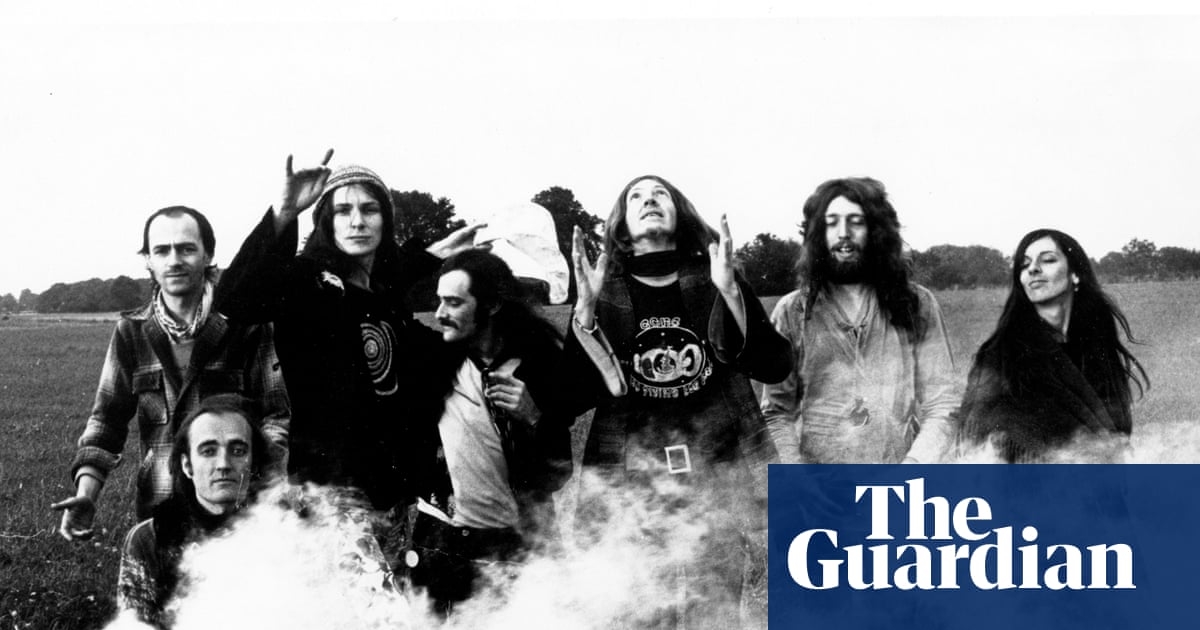
A vibrant, rebellious musical scene flourished in France during the 1970s, largely overlooked by mainstream history but profoundly influential. This proto-punk movement, fueled by socialist ideals and avant-garde philosophies, laid the groundwork for the distinctive French sound that would later captivate the world. It was a period of intense experimentation and a deliberate rejection of established norms.
A Scene Born of Discontent
The late 1960s and early 70s in France were marked by social and political upheaval. The spirit of May ’68, with its calls for revolution and rejection of customary authority, permeated the cultural landscape. Consequently, a new generation of musicians emerged, eager to express thier discontent and forge a unique artistic path.
Limited media exposure actually helped shape this scene. While publications like Best and Rock & Folk, along with the TV program Pop 2, offered some visibility, the lack of commercial support forced bands to prioritize live performance.Many groups disbanded after releasing their debut albums, viewing the music industry itself as a capitalist construct.
Beyond the Music: Politics and Performance
These weren’t simply bands playing songs; they were actively engaging with their audiences and challenging societal norms. They sought to dismantle the barrier between performer and listener, fostering a sense of collective experience. Militant groups like Komintern and Maajun even formed Flip (Force of Liberation and Pop Intervention), staging performances in unconventional venues like psychiatric hospitals.
The influence of the Situationist International, a French intellectual revolutionary movement, was also crucial. They embraced the ephemeral nature of their art, prioritizing the act of creation over lasting commercial success. Acts like Un Drame Musical Instantané emerged later in the decade, but the initial wave began to fade by the early 1980s, giving way to post-punk.
A Lasting Legacy
Despite its relatively short lifespan, this proto-punk scene left an indelible mark on French music. It liberated French rock from the constraints of imitation, encouraging artists to develop a distinctly french voice. You can hear echoes of this revolution in the international success of bands like Daft Punk, Air, and Phoenix in the 1990s.
Ultimately, the scene’s most significant contribution wasn’t a collection of hit songs, but the potential it unlocked for genuine artistic freedom. It was a true experiment, a bold declaration of independence from musical and societal conventions.
This period represents a fascinating chapter in music history, demonstrating how artistic rebellion can pave the way for innovation and cultural change. it reminds us that true artistic expression often thrives outside the mainstream, fueled by passion, conviction, and a desire to challenge the status quo.
Worth a look