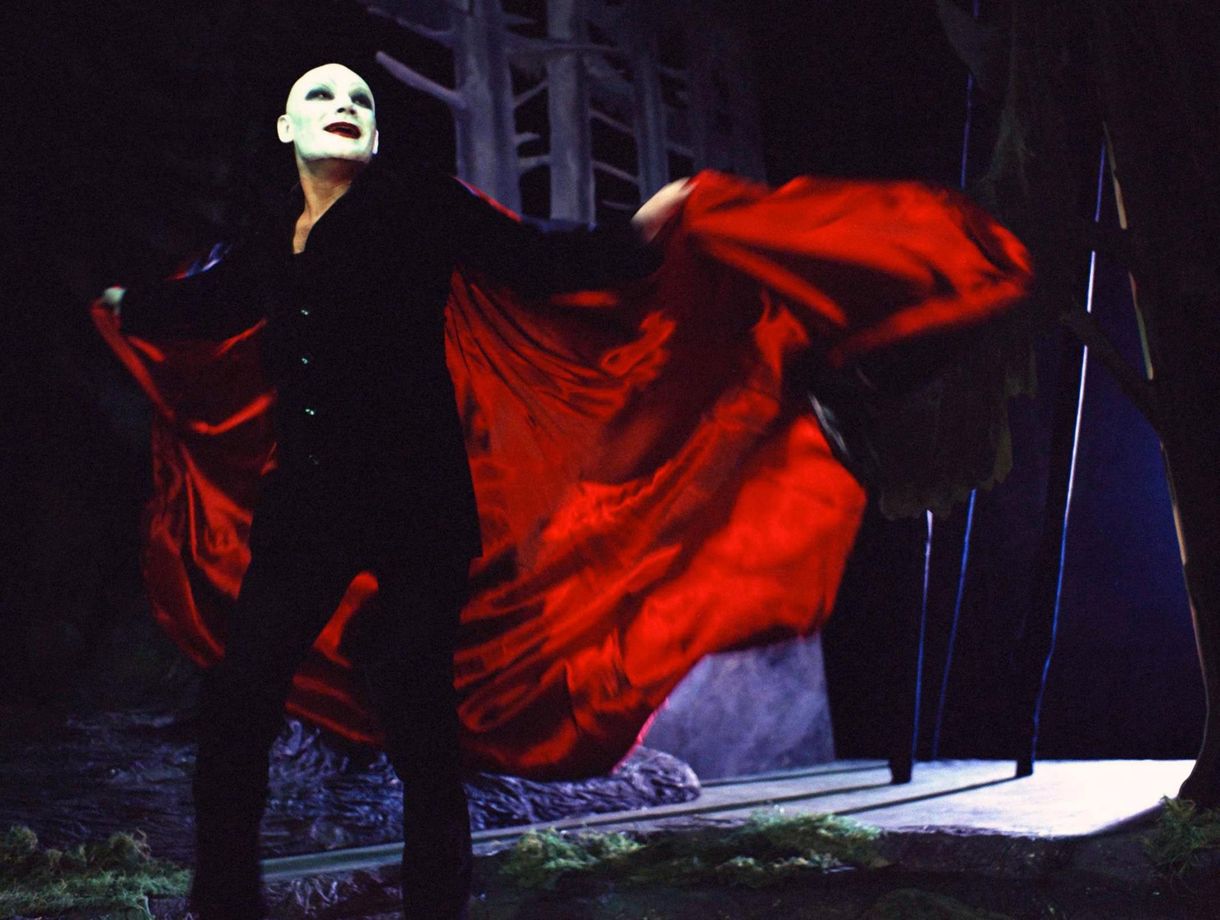
The cultural and broadcast choices facing television viewers tuning into Hungary’s public service television network often spark public debate regarding the curation of cinematic classics, particularly when landmark films like István Szabó’s Academy Award-winning Mephisto or Károly Makk’s Jób lázadása enter the programming schedule. For audiences wondering whether it is finally worth switching over to the M1 channel, the scheduling of these enduring masterpieces highlights ongoing discussions about public media broadcasting choices and the accessibility of significant cinematic achievements for contemporary viewers.
As media critics and cultural commentators analyze the scheduling decisions of public broadcasters, questions surrounding prime-time programming quality frequently take center stage. Viewers weighing whether to tune into state television channels often look at the balance between contemporary broadcasts, historical programming, and culturally significant feature films that have defined national and international film history over the past several decades.
The Cinematic Legacy of Szabó and Makk on Public Television
Bringing films of the caliber of Mephisto (1981) and Jób lázadása (The Revolt of Job, 1983) to television audiences involves navigating a rich heritage of Hungarian filmmaking. Mephisto, directed by István Szabó and starring Klaus Maria Brandauer, secured the Academy Award for Best Foreign Language Film in 1982, exploring complex themes of artistic compromise and moral survival under political pressure in 1930s Europe. Similarly, Károly Makk’s Jób lázadása, which earned an Academy Award nomination in the same category, presents a deeply moving narrative about an elderly Jewish couple adopting a Christian boy in rural Hungary during World War II.
When public service broadcasters feature such internationally acclaimed works, it often prompts discussions among cultural observers regarding the frequency and timing of high-value artistic content. While cinephiles welcome the opportunity to revisit these digitally restored or classic prints on television, debates persist over whether such broadcasts receive adequate promotion or are placed in optimal time slots that allow broader audiences to discover or re-examine them.
Audience Engagement and the Debate Over Channel Surfing
The phrase “Szerintetek is érdemes az M1-re kapcsolni végre?”—asking whether it is finally worth switching over to M1—reflects a broader sentiment among viewers evaluating the overall value proposition of state-run television networks. Public discussions on platforms like HVG and various cultural forums frequently examine how public media fulfills its cultural mission, balancing entertainment, news coverage, and the preservation of artistic heritage.
Critics and everyday viewers alike often weigh scheduled film broadcasts against alternative streaming platforms and specialized channels that offer on-demand access to classic cinema. For many households, tuning into a scheduled broadcast of a classic film depends heavily on factors such as commercial interruptions, broadcast timing, and the availability of high-definition screenings.
Navigating Public Media Programming and Cultural Archives
For viewers attempting to decide whether traditional broadcast schedules warrant their attention, understanding the broader context of public television archives provides helpful perspective. National broadcasters frequently hold extensive libraries of historical dramas, documentaries, and award-winning features that remain influential in European cultural discourse. Checking official daily broadcast guides and network announcements remains the most reliable way for audiences to track upcoming classic film screenings and cultural programming blocks.
As public discussions continue regarding the curation and presentation of cinematic milestones on state television, audiences retain numerous avenues for exploring these works through both scheduled broadcasts and institutional film archives.