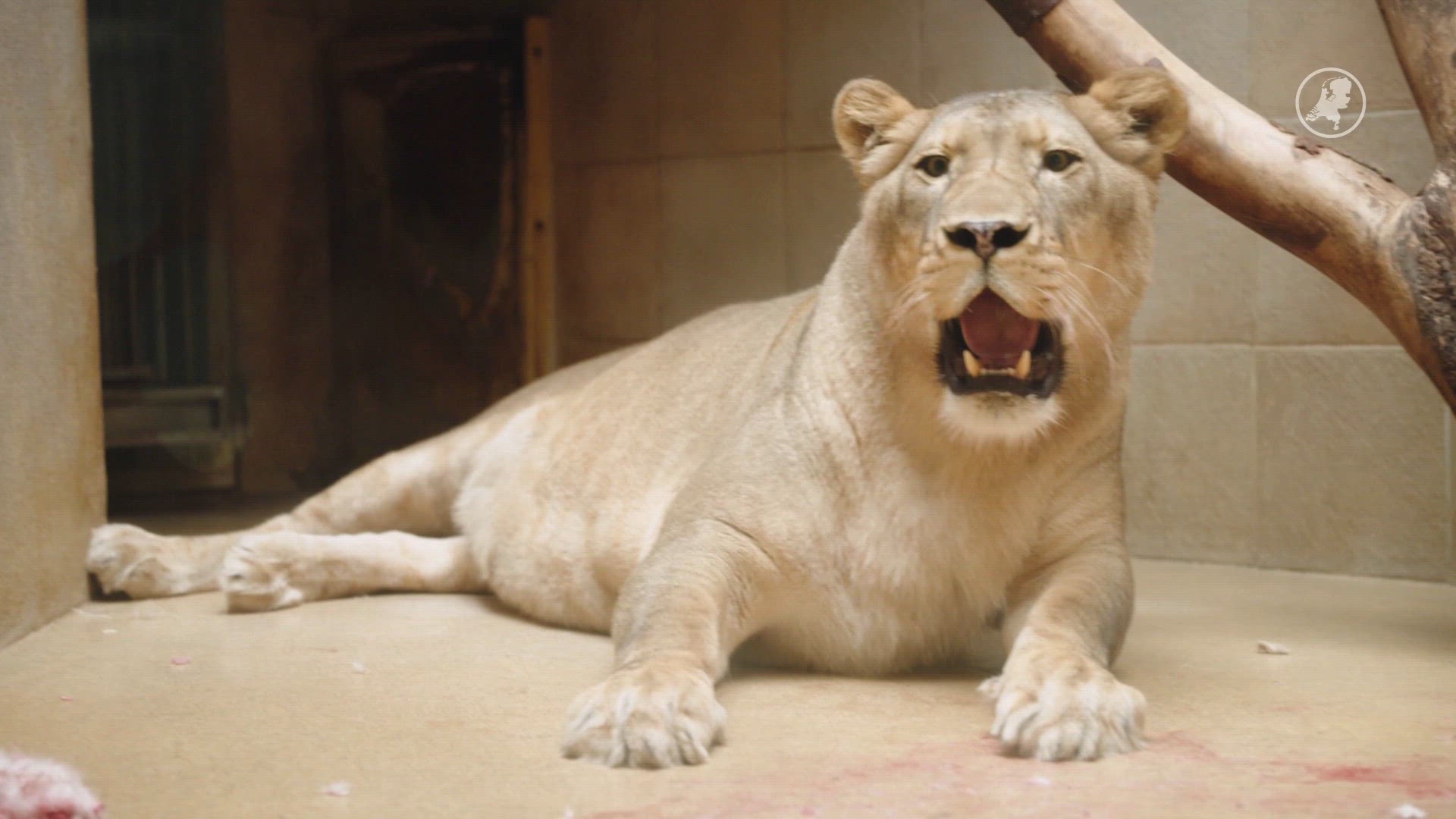
A mutilated lioness named Zora, rescued from a breeding facility in the Czech Republic, has arrived safely in Friesland to receive specialized lifetime care. Animal welfare organizations confirmed the transfer, marking the end of a complex international rescue operation designed to provide the injured animal with a permanent, secure habitat suited to her special needs.
The feline arrived at Felida Big Cat Centre in Appelscha, part of the FOUR PAWS foundation, after authorities and animal rescue workers coordinated her transport across borders. Zora sustained severe physical injuries and trauma during her time in Eastern Europe, prompting urgent intervention from wildlife specialists who determined she could no longer remain at her previous location.
As wildlife trafficking and unregulated private breeding operations draw increased scrutiny across the European Union, facilities like the Friesland-based big cat sanctuary face growing demand for emergency placements. Transporting a large carnivore across international lines requires meticulous veterinary clearance, specialized crating, and compliance with strict EU animal health regulations to ensure the animal remains stable throughout the journey.
Rescue and Transport from the Czech Republic
The operation to relocate Zora began after local inspectors and animal welfare groups in the Czech Republic flagged concerning conditions at an unauthorized or substandard holding facility. According to reports from FOUR PAWS, the lioness suffered from severe physical impairments, including mutilations that required constant veterinary observation and specialized medical management.
Moving a distressed wild animal weighing well over a hundred kilograms demands precise logistical planning. Veterinarians sedated Zora lightly for the initial loading phase and monitored her respiration and heart rate continuously via telemetric equipment inside the specialized transport vehicle. The convoy crossed multiple national borders under permit clearances issued by European wildlife trade regulators, arriving at the Dutch sanctuary without major transit delays.
Sanctuary directors in Friesland prepared a climate-controlled indoor enclosure lined with soft bedding to ease the lioness into her new surroundings. Staff members kept human contact to a strict minimum during her first forty-eight hours on-site, allowing the animal to explore her night shelter at her own pace while veterinary teams observed her behavior through closed-circuit monitors.
Specialized Care at Felida Big Cat Centre
Felida Big Cat Centre specializes in housing lions, tigers, and leopards that have suffered physical abuse, trauma, or neglect in circuses, private ownership, or substandard zoos. The facility operates under the umbrella of international animal welfare organization FOUR PAWS, focusing on rehabilitation, pain management, and tailored dietary regimens.
Veterinarians at the Friesland sanctuary conducted a thorough clinical examination shortly after Zora’s arrival to assess the full extent of her injuries. Because of her mutilated state, Zora requires custom-built platforms and ramps within her enclosure to prevent joint strain and accommodate her limited mobility. Animal caretakers also administer specialized anti-inflammatory medications and nutritional supplements mixed into her daily meals of high-grade beef and poultry.
The transition from a cramped, barren cage to an enriched naturalistic habitat represents a significant milestone for rescued apex predators. Sanctuary enrichment programs use scent cues, puzzle feeders, and variable feeding schedules to stimulate natural hunting and investigative behaviors, helping animals recover psychological equilibrium after years of confinement stress.
Broader Implications for Illegal Big Cat Breeding in Europe
Zora’s case highlights persistent enforcement gaps surrounding the private keeping and commercial breeding of big cats within the European Union. While several member states have enacted total bans on wild animals in circuses and tightened private ownership laws, loopholes in cross-border permits and lax local inspections continue to allow illegal cub-peddling and substandard menageries to operate.
European animal advocacy coalitions continue lobbying the European Commission to implement a mandatory, EU-wide registration system utilizing microchipping and DNA profiling for all captive felids. Conservation scientists argue that uniform regulations are the only effective way to dismantle trafficking networks that smuggle big cats between Eastern and Western European nations for private profit.
For visitors and local communities in Friesland, the arrival of Zora serves as an educational touchpoint regarding the realities of the exotic pet trade. While the Felida center is generally closed to the general public to prioritize animal welfare and minimize stress for traumatized residents, the organization publishes regular video updates and health reports through its official digital channels.
Next Steps and Public Updates
Veterinary teams at Felida Big Cat Centre will continue monitoring Zora’s adaptation phase over the coming weeks, adjusting her pain management protocols based on her daily activity levels and appetite. Sanctuary directors plan to release further medical updates and photographs through the official FOUR PAWS communication network once the lioness is ready for her first supervised outings into the outdoor grassy enclosure.
Readers seeking official updates, educational resources, or ways to support the ongoing care of rescued big cats can visit the FOUR PAWS international portal or check announcements directly on the Felida Big Cat Centre information page. Share your thoughts on this rescue mission and local wildlife protection efforts in the comments below.
Worth a look