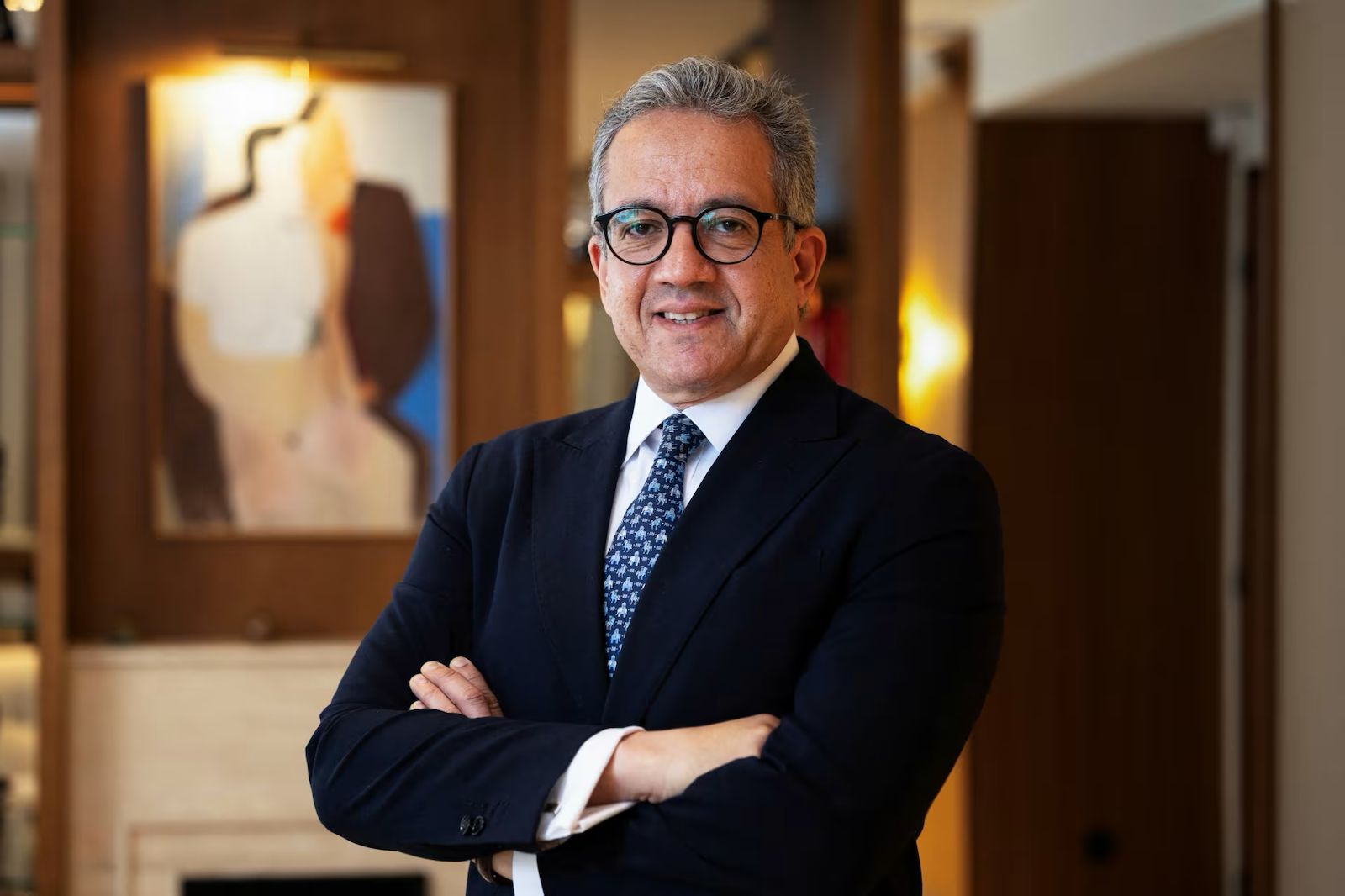
Khaled El-Enany Elected UNESCO Director-General: A Landmark victory for egypt and Global Cultural Heritage
The world of international diplomacy and cultural preservation witnessed a historic moment this week: Khaled El-Enany, Egypt‘s former Minister of Tourism and Antiquities, has been overwhelmingly elected as the Director-General of UNESCO. This decisive victory, secured with an unprecedented 55 out of 57 votes from the UNESCO Executive Board, signals a new era for the United Nations Educational, Scientific and Cultural Organization and underscores Egypt’s growing influence on the global stage. But what does this appointment really mean for the future of cultural heritage,education,and scientific collaboration?
A Landslide Victory & Global Recognition
The announcement,swiftly followed by congratulatory statements from egyptian President Abdel Fattah Al-Sisi,marks a notable diplomatic achievement. President Al-Sisi hailed El-Enany’s win as a testament to Egypt’s “civilized standing” and the “world’s confidence in Egyptian competencies.” This isn’t simply a symbolic victory; the sheer number of votes El-Enany received – dwarfing the two votes garnered by his competitor, Edward Firmin Matoko of Congo – demonstrates a remarkable level of international trust and support.
This outcome is particularly noteworthy considering the current geopolitical landscape. UNESCO plays a crucial role in safeguarding cultural sites,promoting education,and fostering scientific cooperation,all areas facing increasing challenges globally. Recent reports from the Global Heritage Fund highlight the escalating threats to cultural heritage due to conflict, climate change, and unsustainable tourism practices. El-Enany’s leadership will be pivotal in addressing these complex issues.
El-Enany’s Background: A Proven Champion of Cultural Preservation
Khaled El-Enany isn’t new to the world of cultural heritage. As Egypt’s Minister of Tourism and Antiquities (from 2018-2022), he spearheaded numerous initiatives to revitalize the contry’s tourism sector and protect its rich archaeological treasures. He oversaw the highly publicized relocation of royal mummies to the National Museum of egyptian Civilization, a project lauded for its meticulous planning and preservation efforts.furthermore, his ministry focused on restoring iconic sites like the Karnak temple and the Step pyramid of Djoser, demonstrating a commitment to both preservation and accessibility.
His experience isn’t limited to archaeology.El-Enany holds a PhD in Egyptology from the University of Liverpool and has extensive experience in academic research and cultural management. This blend of practical experience and scholarly expertise positions him uniquely to led UNESCO.Understanding the intricacies of cultural heritage management – from site preservation to community engagement – is vital for navigating the challenges UNESCO faces.
What Does This Mean for UNESCO’s Future?
El-enany will succeed Audrey azoulay of France, who has served as Director-General as 2019. While Azoulay focused on issues like gender equality and media freedom within UNESCO, El-Enany is expected to prioritize the protection of tangible cultural heritage, particularly in regions affected by conflict and climate change.
Here are some key areas where we might see shifts under his leadership:
* Increased Focus on Archaeological Site Protection: Expect a stronger emphasis on safeguarding archaeological sites in conflict zones, leveraging technology like satellite imagery and 3D modeling for documentation and monitoring.
* Enduring Tourism Initiatives: El-Enany’s experience in tourism suggests a push for more sustainable tourism practices that benefit local communities and minimize environmental impact. The World Tourism Organization (UNWTO) has been advocating for similar initiatives, recognizing the need for responsible travel.
* Enhanced Collaboration with African Nations: Given the strong support he received from the African Union, El-Enany is highly likely to prioritize collaboration with African nations on cultural preservation and educational programs.
* Digitalization of Cultural Heritage: Expanding access to cultural heritage thru digital platforms and virtual reality experiences will likely be a key focus, making these treasures accessible to a wider audience.
the Campaign Trail: A collaborative Effort
The success of El-Enany’s campaign wasn’t a solo effort. Egyptian Foreign Minister Badr Abdel-Aty played a crucial role, conducting intensive meetings in Paris and leading Egypt’s delegation during the UNESCO Executive Board meetings. This demonstrates a coordinated diplomatic strategy and highlights the importance of international collaboration in securing such a prestigious position. el-Enany himself expressed gratitude to Egypt, Arab nations, and the African Union for their unwavering support, emphasizing his commitment to serving UNESCO impartially.
Evergreen Section: The Enduring Importance of UNESCO
UNESCO, founded in 1945, remains a vital organization in a world grappling with increasing cultural homogenization and geopolitical instability. Its mission - to contribute to peace and security by promoting
Related reading