The Perilous Precedent of Declaring war on a Drug Cartel: How Trump’s Venezuela Strikes Could unravel International Law
By Maria-Petrova, Content Strategist & SEO Expert
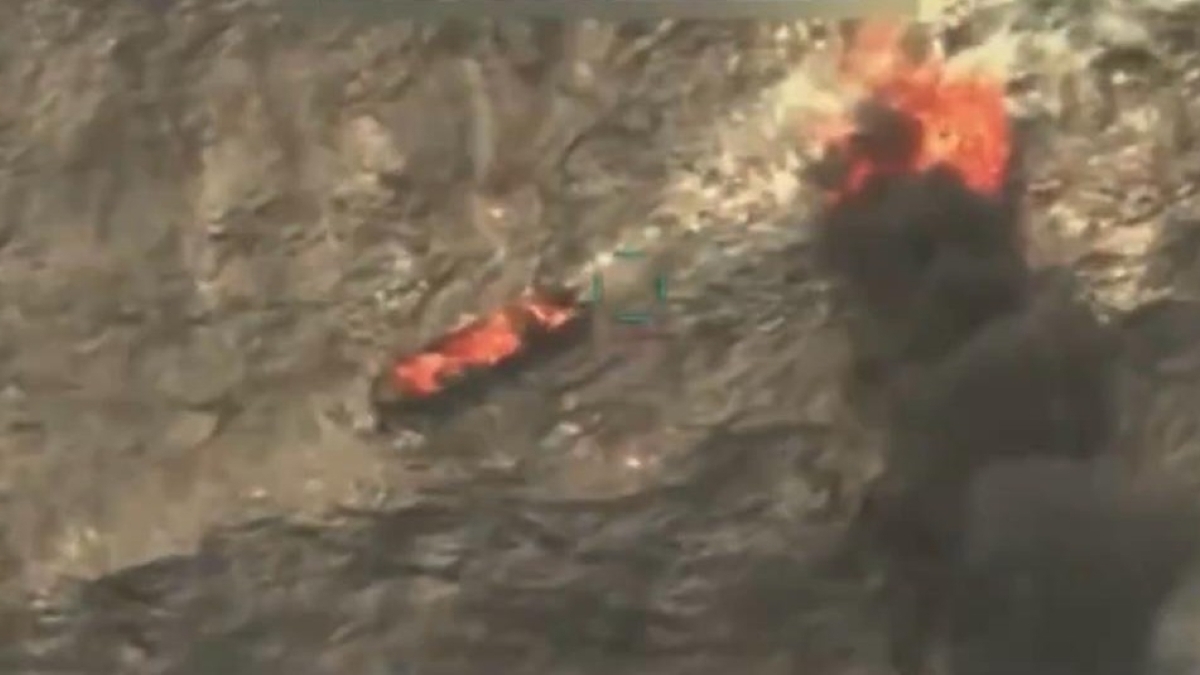
President Trump’s recent authorization of a strike against an alleged drug smuggling vessel off the coast of Venezuela, announced on october 14th, marks a potentially seismic shift in U.S. foreign policy and international law. This isn’t simply another attempt to curb drug trafficking; it’s the latest escalation in an administration-declared “non-international armed conflict” against Tren de Aragua, a Venezuelan narco-group. As reported by Reuters, this designation – formalized in a notification to Congress (ABC News) – invokes war powers with far-reaching and deeply concerning implications.
But why does this matter now? The answer lies in the dangerous precedent being set, and the potential for unintended, escalating consequences. This move isn’t just about one boat; it’s about redefining the threshold for armed conflict and potentially opening the door to a wider, more destabilizing intervention in Venezuela – an intervention some reports (NBC News) suggest may ultimately aim for regime change.
A Slippery Slope: From drug Bust to Interstate War
The immediate risk is clear: these strikes could easily expand into Venezuelan territory, provoking a military response. While a direct challenge to U.S. forces is unlikely, the escalation from targeting alleged smugglers to a full-blown interstate conflict is a very real possibility. The situation is already volatile, as evidenced by recent news regarding potential shutdown scenarios (NY Times Live).
However, the long-term ramifications are even more alarming. By characterizing a conflict against a criminal association as “war,” the Trump administration is blurring a critical line. this isn’t a state actor engaging in hostilities; it’s a response to a criminal threat. And by invoking the extraordinary powers reserved for armed conflict in this context, the U.S. is creating a justification that other nations could readily adopt – potentially leading to a world where states routinely use military force against criminal elements, destabilizing international relations and eroding fundamental human rights.
The Fundamental Distinction: Law Enforcement vs. War
States have an inherent right – and obligation – to protect their citizens and territory. but not every threat warrants the use of combat power. International law, much like domestic law, recognizes this distinction.
Typically, dealing with criminal threats falls under the realm of law enforcement, governed by strict rules of engagement. Police are authorized to use deadly force only as a last resort,in response to an actual or imminent threat of death or serious harm. This is why law enforcement utilizes less-lethal options like Tasers,prioritizing the use of minimum necessary force. Following apprehension, due process – arrest, judicial review, trial, and conviction – is paramount.
The rules change dramatically when a state declares an armed conflict. suddenly, the focus shifts from individual criminality to neutralizing the enemy – a collective entity. Under the Law of Armed Conflict (Oxford University), members of the opposing armed group become legitimate targets, even as a first resort. Detention is no longer predicated on criminal charges but on preventing a return to hostilities, and can be indefinite. Furthermore, captured individuals can be tried by military courts for “war crimes.”
this stark contrast highlights the gravity of “crossing the line.” Before 1949, international legal frameworks surrounding this distinction were less defined.
Why This Matters Beyond Venezuela
The Trump administration argues that the threat posed by Tren de Aragua justifies this extraordinary measure. However, a sober assessment of the
- Lived In: Australia’s Contribution to the 2027 Venice Biennale
- Russia Kills at Least 13 in Massive Missile and Drone Strikes Across Ukraine
- Russian Strikes Kill Dozens in Ukraine; Poland Scrambles Fighter Jets (world-today-news.com)
- Russian Missile Strikes Kill at Least 8 Across Ukraine Including Kyiv, Lviv and Kryvyi Rih (time.news)