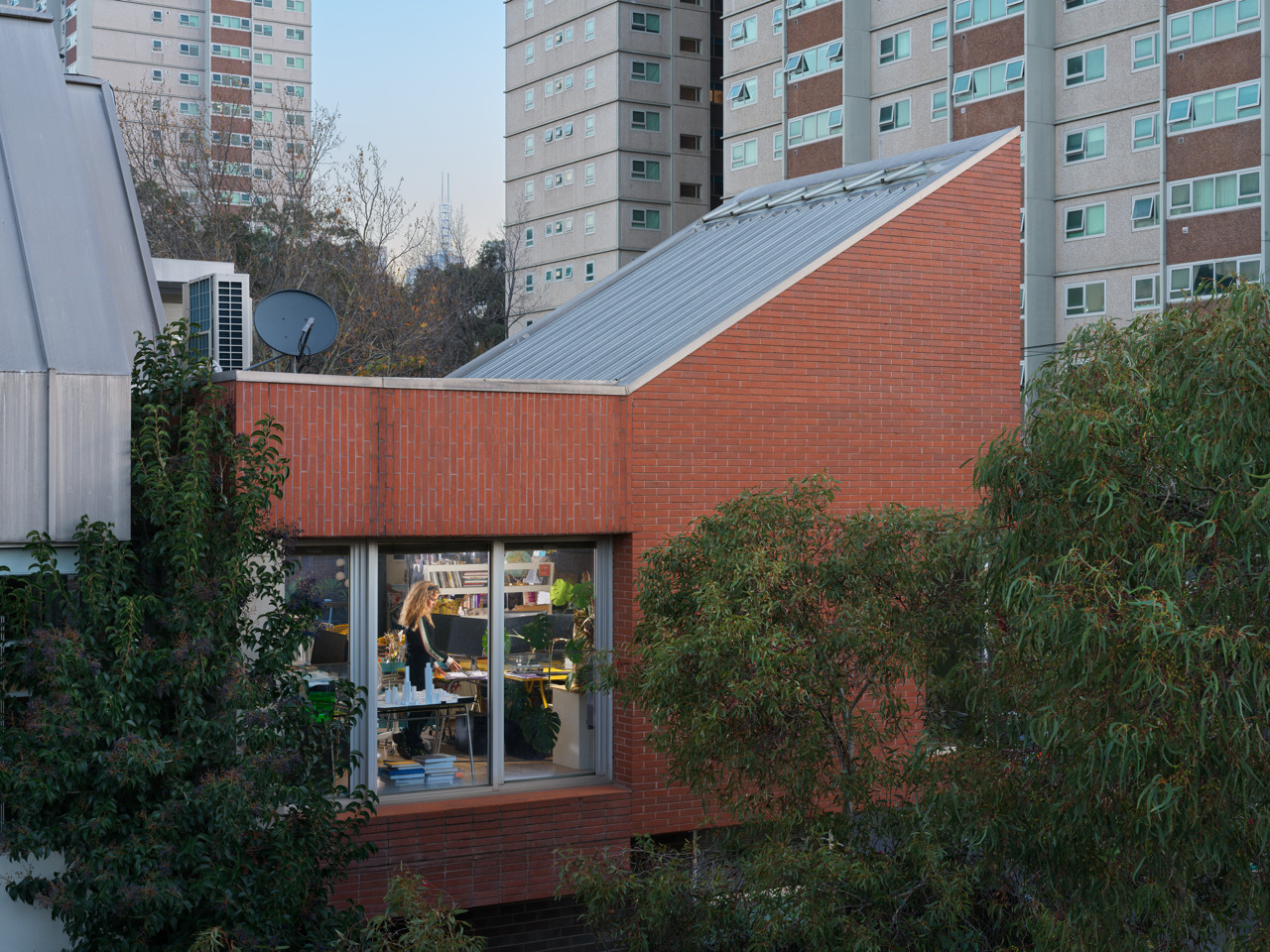
Australia’s contribution to the 2027 Venice Biennale of Architecture will explore collective housing models through an exhibition titled “Lived In,” focusing on multi-family architecture and alternative living solutions. The project, curated to address contemporary urban challenges, arrives as housing affordability and density remain central topics of discussion in global architectural discourse.
The announcement highlights a growing international interest in shared and collaborative residential environments. According to organizers, the exhibition will examine how communities adapt existing spaces and design new structures to foster connection, affordability, and sustainability.
As cities worldwide grapple with housing shortages and changing demographics, international exhibitions increasingly look toward collective housing as a viable response. The Australian pavilion’s focus on multi-family configurations reflects broader shifts in urban planning away from single-family dominance toward more integrated, communal living arrangements.
The Concept Behind “Lived In”
The “Lived In” exhibition aims to move past traditional notions of private property by showcasing architectural projects that prioritize shared spaces, resource pooling, and collective stewardship. Architects and urban researchers involved in the project are expected to present case studies from across Australia, highlighting innovative zoning experiments, cooperative housing developments, and adaptive reuse initiatives.
Collective housing models have gained traction in recent years as younger generations and older adults alike seek alternatives to high housing costs and social isolation. By emphasizing communal kitchens, shared gardens, and flexible floor plans, the exhibits will demonstrate how architecture can actively support social cohesion.
Venice Biennale exhibitions traditionally serve as a testing ground for global policy ideas and design philosophies. The Australian presentation will sit alongside contributions from dozens of other nations, each addressing the overarching themes set by the biennale curators.
Global Context and Urban Challenges
The focus on multi-family housing at the 2027 Biennale highlights shared pressures experienced by major metropolitan areas globally. Rising land values, construction cost inflation, and environmental concerns have forced architects to reconsider how residential buildings function.
Comparative studies of urban density show that cities incorporating diverse housing typologies often achieve better outcomes in terms of energy efficiency and social equity. Australia’s contribution will add to this ongoing dialogue by presenting localized solutions that have international relevance.
Observers note that translating experimental housing models into mainstream policy remains a complex hurdle. Zoning regulations, financing structures, and cultural expectations around homeownership often present barriers to collective developments. The Venice presentation aims to provide policymakers and practitioners with tangible examples of how these barriers can be navigated.
Next Steps for the Australian Pavilion
Preparation for the exhibition will continue over the coming months, with organizers expected to announce specific participant architects, design teams, and installation details as the 2027 event approaches. Further updates regarding the curation and public programming will be released through official architectural bodies and cultural agencies.
We invite readers to share their thoughts on collective housing models and urban density in the comments below.
Related reading