nicolas Sarkozy Imprisoned: A Landmark Ruling and What It Means for French Politics
Did the unthinkable just happen in france? Former President Nicolas Sarkozy has begun a five-year prison sentence, marking a seismic shift in French political history. This isn’t just a legal case; it’s a moment that challenges perceptions of power, accountability, and the very foundations of the french Republic. But what exactly led to this unprecedented outcome, and what are the implications for France and beyond?
This article delves into the details of Sarkozy’s conviction, the charges against him, the immediate aftermath, and the broader context of political corruption in France. We’ll explore the legal arguments, the public reaction, and what this means for the future of French leadership.
The Charges: Illegal campaign Funding and Libyan Connections
Nicolas Sarkozy was convicted of conspiring to secure illegal campaign funds from Libya for his triumphant 2007 presidential run. The core of the case revolves around allegations that Sarkozy and several associates accepted financial contributions from Muammar Gaddafi’s regime.
Specifically,prosecutors argued that Sarkozy knowingly benefited from a scheme involving inflated contracts awarded to companies linked to Libyan officials. These funds were then allegedly used to finance his presidential campaign, violating French campaign finance laws.
The conviction marks the first time a former French president has been imprisoned since Marshal Philippe Pétain, who collaborated with the Nazis during World War II. This historical parallel underscores the gravity of the situation.
A Dramatic Day: From Home to La Santé Prison
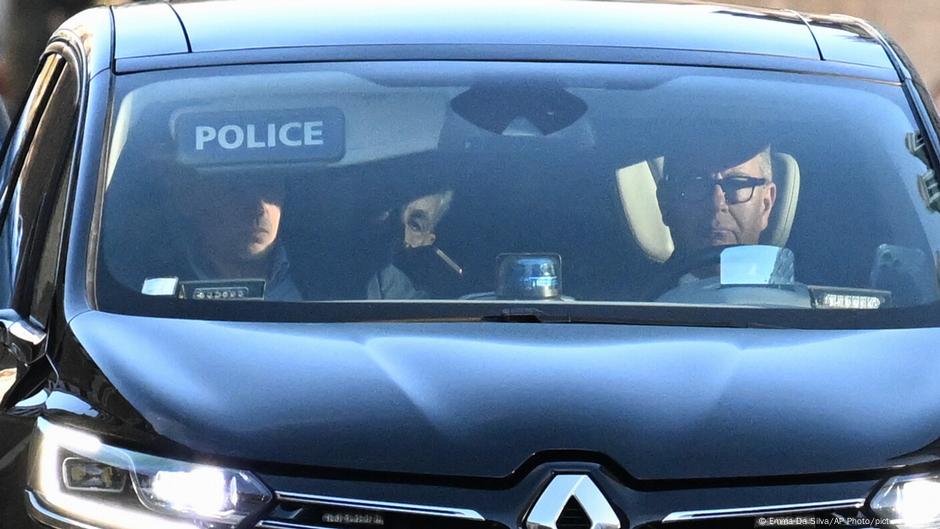
The scenes outside Sarkozy’s Parisian home were charged with emotion. Accompanied by his wife, Carla Bruni, and surrounded by family, Sarkozy walked to a waiting police vehicle, greeted by a mix of support and protest. Chants of ”nicolas, Nicolas!” and the French national anthem filled the air.
He was then transported to La Santé prison, a notorious facility in the heart of Paris. Before entering, Sarkozy released a statement via social media, proclaiming his innocence and denouncing the case as a “judicial scandal.” He insisted he was being targeted, not as an individual, but as a former President of the Republic.
The Court’s Decision: Why Immediate Imprisonment?
The judge’s decision to deny sarkozy bail pending appeal was particularly meaningful. the court cited “the seriousness of the disruption to public order caused by the offense” as justification. This suggests concerns about potential interference with the judicial process or a flight risk.
Under the ruling, Sarkozy can only request release from the appeals court after beginning his prison sentence. Judges have up to two months to review any such motion, leaving Sarkozy in custody for the foreseeable future. His legal team has already indicated they will file a request for release “very quickly.”
Public Reaction and Political Fallout
the news of Sarkozy’s imprisonment has sparked a wide range of reactions. Supporters have rallied to his defense, arguing that the case is politically motivated.Critics, though, see the conviction as a victory for the rule of law and a sign that no one is above justice.
The ruling is highly likely to have significant repercussions for the French political landscape. Sarkozy remains a powerful figure within the conservative Les Républicains party, and his imprisonment could create a power vacuum and fuel internal divisions. It also raises questions about the future of the party and its prospects in upcoming elections.
Evergreen Insights: The fight Against Political Corruption
The Sarkozy case isn’t an isolated incident. Political corruption is a global problem that undermines democratic institutions and erodes public trust. Several factors contribute to this issue:
* Lack of Clarity: Opaque campaign finance systems and limited disclosure requirements create opportunities for illicit funding.
* Weak Enforcement: Insufficient resources and political will to investigate and prosecute corruption cases.
* Lobbying and Influence Peddling: the undue influence of special interests on policymakers.
* Culture of Impunity: A perception that powerful individuals are immune from prosecution.
Combating political corruption requires a multi-faceted approach, including strengthening transparency laws, enhancing enforcement mechanisms, promoting ethical conduct, and fostering a culture of accountability. The Sarkozy case serves as a stark reminder of the importance of these efforts.
Frequently Asked Questions: Sarkozy’s Imprisonment
1. What is Nicolas Sarkozy convicted of?
Nicolas Sarkozy was convicted of conspiring to secure illegal campaign funding from Libya for his 2007 presidential campaign.
**2. How long is sarkozy’s prison sentence?
Related reading