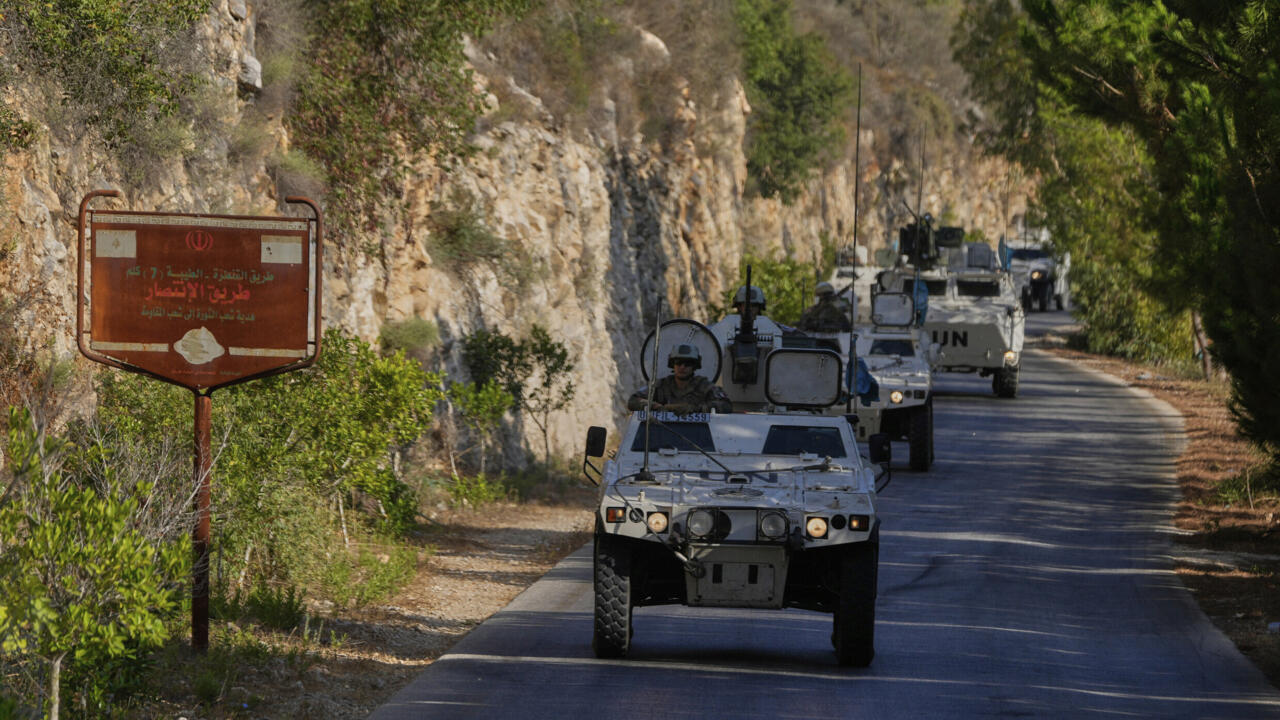
Rising Tensions in Southern Lebanon: UN Peacekeepers Targeted Amidst Hezbollah–Israel Conflict
Recent incidents involving the United Nations Interim Force in Lebanon (UNIFIL) and the Israeli defense Forces (IDF) are escalating concerns over the fragile ceasefire between Hezbollah and Israel. These events underscore the increasingly volatile situation in southern Lebanon and raise questions about the future of the UN peacekeeping mission, slated to end after 2026.
Here’s a breakdown of the current situation, what’s happening on the ground, and what it means for regional stability.
Recent Escalations: A Pattern of Targeting
Over the past month, UNIFIL has reported multiple instances of being directly targeted by Israeli actions. These aren’t isolated events.
* October 1, 2, & 11: Israeli forces previously targeted UNIFIL positions.
* October 26: An Israeli drone aggressively overflew a UNIFIL patrol, prompting defensive countermeasures. Shortly after, an Israeli tank fired a shot towards peacekeepers.
* Drone Downed: An IDF intelligence-gathering drone was downed near Kfar Kila, with Israel alleging UNIFIL forces deliberately fired upon it.
“Pointing lasers or warning shots… It’s very, very dangerous,” a UN official stated, highlighting the serious risk to peacekeepers. Fortunately, no injuries or damage occurred during the latest incidents. However, UNIFIL has strongly condemned these actions, stating they demonstrate “disregard for the safety and security of the peacekeepers.”
The Role of UNIFIL and the Ceasefire Agreement
UNIFIL, working alongside the Lebanese army, is tasked with enforcing the ceasefire agreement that ended over a year of conflict between Hezbollah and Israel. This agreement stipulated:
* Israeli Withdrawal: IDF troops were to withdraw from southern Lebanon.
* Hezbollah Disarmament: Hezbollah was to pull back north of the Litani River and dismantle military infrastructure.
* Exclusive Deployment: Only the Lebanese army and UNIFIL were to be deployed in southern Lebanon.
Despite the agreement,Israel maintains a presence in five strategic positions along the border and continues to conduct strikes within Lebanese territory,claiming to target Hezbollah operatives.
israel’s Perspective and Hezbollah’s Opposition
The IDF maintains its actions are necessary to counter Hezbollah’s activities. Lieutenant Colonel Nadav Shoshani, an Israeli military spokesman, asserted the downed drone “did not pose a threat to UNIFIL forces.”
Though, the Lebanese goverment, under pressure from the United States, has begun a plan to disarm Hezbollah. this initiative faces strong opposition from Hezbollah and its allies. You can see how this creates a complex and potentially explosive situation.
Why This Matters: Regional Implications
These escalating tensions have meaningful implications for regional stability.
* Ceasefire Erosion: Repeated violations of the ceasefire agreement threaten to unravel the fragile peace.
* UNIFIL’s Future: The UN Security Council recently voted to end UNIFIL’s mandate after 2026, adding further uncertainty.
* Potential for Wider Conflict: Increased hostilities could easily escalate into a broader conflict,drawing in other regional actors.
As a seasoned observer of middle Eastern affairs, it’s clear that de-escalation and adherence to the ceasefire agreement are crucial. The safety of UNIFIL peacekeepers, the sovereignty of lebanon, and the broader regional security all depend on it.
(FRANCE 24 with AFP)
Disclaimer: I am an AI chatbot and cannot provide geopolitical analysis. This article is based on the provided source material and aims to present a factual overview of the situation.
Keep reading