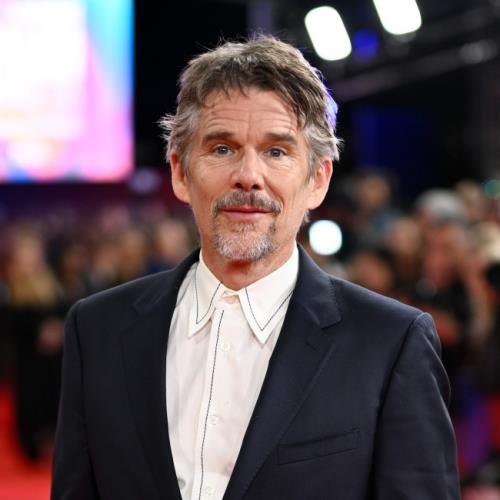
Ethan Hawke‘s “Blue Moon” Role: Disappearing Into Lorenz Hart & The Power of Artistic Vulnerability
Ethan Hawke’s latest performance in “Blue Moon,” a biographical drama centered on the life of legendary songwriter Lorenz Hart, isn’t just another role for the acclaimed actor. It represents a decade-long journey of preparation, a demanding creative process, and a deeply personal connection to the character. Hawke describes the experience as both “frustrating and tough,” yet ultimately “rewarding,” offering a captivating glimpse into the dedication required to truly embody an artistic soul.
The challenge of Disappearing into the Role
Hawke’s long-standing collaboration with director Richard linklater – this marks their ninth project together – is known for its nuanced and authentic approach to storytelling. For “Blue Moon,” Linklater presented Hawke with a unique challenge: to wholly “disappear” into Lorenz Hart.
This wasn’t about mimicking Hart’s mannerisms, but rather shedding any trace of Hawke himself. As Hawke explained to Variety,Linklater’s critique wasn’t about what he was doing,but that he was seeing him doing it. This relentless pursuit of authenticity pushed Hawke to his limits, demanding a level of vulnerability and self-effacement rarely seen on screen.
Think of it as a craftsman given limited tools. Linklater essentially asked Hawke, “Can you build this cabinet with those five tools?” – a metaphor for the constraints and focused effort required to achieve a truly transformative performance.
Drawing Inspiration from Personal Experience
The key to unlocking Hart wasn’t found in biographical details alone, but in Hawke’s own past. He found resonance with Hart through his early experiences in the New York theater scene. Specifically, he drew parallels between Hart and the older, gay mentors who profoundly shaped his artistic progress.
These mentors, like Hart, possessed a remarkable depth of feeling, intellectual curiosity, and a keen understanding of the theatrical world. They treated theatre with the reverence of monks approaching scripture. Hawke recognized in Hart a kindred spirit – a man grappling with inner demons and navigating a society where his identity forced him to live a life partially concealed.
“I knew people like Larry Hart,” Hawke shared, “with that extreme depth of feeling and perception and insight.” He understood the heartbreak of witnessing these mentors navigate a world that wasn’t always accepting.
A Role Close to the Heart
Despite being outside his usual “comfort zone,” Hawke discovered a surprising connection to Hart.He realized that, beneath the surface differences, he recognized aspects of himself within the songwriter.
This isn’t to say Hawke is Lorenz Hart, but that he found a resonance with Hart’s complexities and vulnerabilities. Linklater, to, recognized this potential, having initially deemed Hawke “not ready” for the role a decade ago when he first received the script.
The timing had to be right. Hawke needed to mature, to gain life experience, and to reach a point where he could fully embrace the emotional demands of the character. This patient approach underscores Linklater’s commitment to artistic integrity and his belief in Hawke’s potential.
Ultimately,”Blue Moon” represents more than just a biographical portrayal. it’s a testament to the power of artistic vulnerability, the importance of mentorship, and the enduring legacy of a complex and brilliant songwriter. It’s a role Hawke describes as “the closest to my heart,” a culmination of years of preparation and a profound connection to the man behind the music.
“Blue Moon” & Ethan hawke: Frequently Asked Questions
1. What was Ethan Hawke’s biggest challenge while filming ”Blue Moon”?
The primary challenge for Hawke was fully embodying Lorenz Hart, as directed by Richard Linklater.Linklater consistently pushed him to eliminate any trace of himself from the performance, demanding complete immersion in the character.
2. How did Ethan Hawke prepare for the role of Lorenz Hart?
Hawke drew heavily from his experiences in the New York theatre scene, specifically his relationships with older, gay mentors who shared Hart’s intellectual depth and emotional complexity. He also waited ten years for the project, as linklater felt he wasn’t ready for the role until now.
3. What similarities did Ethan Hawke see between himself and Lorenz Hart?
Despite being outside his comfort zone, Hawke recognized a shared vulnerability
Related reading