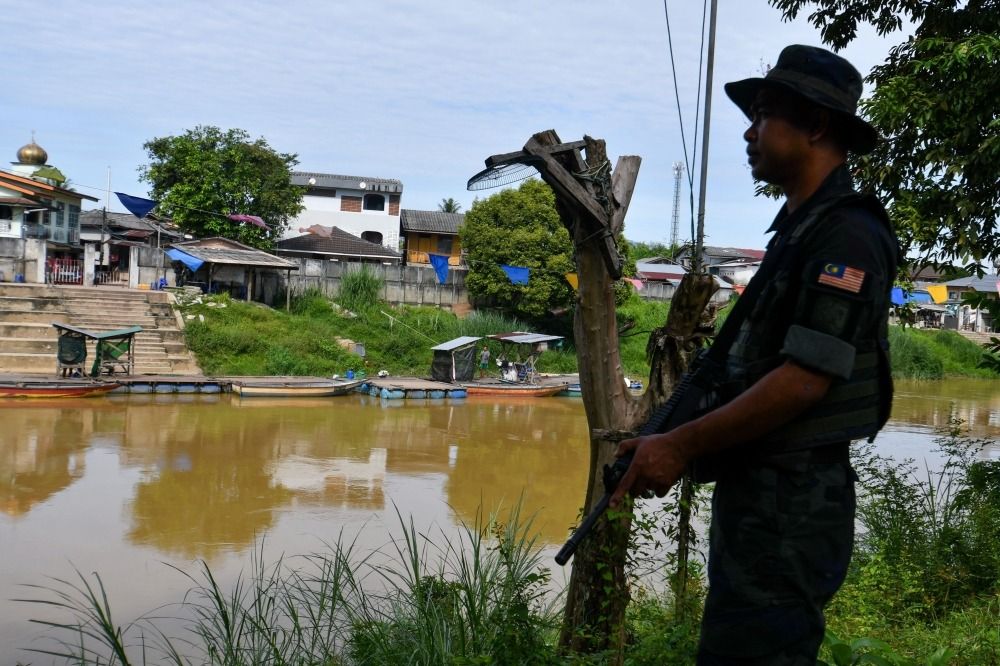
Thailand-Malaysia Border Under Threat: illegal Dredging & Drug Smuggling Along Sungai Golok River
Is a critical border region at risk due to unchecked environmental damage and criminal activity? The Sungai Golok River,a natural boundary between Thailand and Malaysia,is facing escalating threats from illegal sand dredging and drug trafficking,sparking a collaborative response from both nations. This isn’t just an environmental issue; it’s a matter of border security and regional stability. Read on to understand the full scope of the problem, the joint efforts underway, and what the future holds for this vital waterway.
The Erosion of Stability: Illegal Sand Dredging Impacts
Narathiwat Province, Thailand, is sounding the alarm over rampant illegal sand dredging along the Sungai Golok.Vice-Governor wichan Chaisetsumpan has identified this activity as a primary driver of soil erosion and alterations to the river’s natural flow. But what are the real consequences of removing vast quantities of sand from a riverbed?
The implications are far-reaching. Dredging destabilizes the riverbanks, increasing the risk of landslides and erosion that directly threaten the integrity of the Thailand-Malaysia border.Changes in the river’s flow can disrupt ecosystems,impacting local fisheries and water supplies.Moreover, the removal of sand weakens the river’s natural defenses against flooding, leaving communities vulnerable during monsoon season.
Recent enforcement actions, spurred by intelligence sharing with Malaysian authorities, have resulted in the seizure of excavators and arrests in the Waeng district. This success highlights the crucial need for continued, coordinated efforts. But is it enough? The scale of the problem suggests a deeper, more systemic issue at play.
A River Runs Through It: The Rise in Drug Smuggling
The Sungai Golok isn’t just facing environmental challenges; it’s become a key transit route for drug trafficking syndicates. The river’s shallow depths and the porous border – spanning hundreds of kilometers across Narathiwat’s Waeng, Sukhirin, Si Sakhon, and Chanae districts, with approximately 95km following the sungai Golok itself - make it an attractive option for smugglers.
The economic incentive is clear: drugs command significantly higher prices in the Malaysian market compared to Thailand. This price disparity fuels a constant stream of illicit substances flowing across the border. Thai security forces are actively combating this, conducting integrated operations that have led to numerous arrests and substantial seizures.
Though, the challenge remains critically important. The vastness of the border region and the ingenuity of smuggling networks require a proactive and adaptable strategy. What innovative approaches are being considered to disrupt these criminal operations?
strengthening Cross-Border Cooperation: A United Front
recognizing the interconnected nature of these threats, Thailand and Malaysia are prioritizing collaborative efforts. Vice-Governor Wichan emphasizes that safeguarding the border requires “close cooperation, continuous communication, and coordinated field operations.”
Recent joint meetings, held in the Sungai Golok district and involving various border management agencies, demonstrate a commitment to a unified approach. Key initiatives include:
* Enhanced Intelligence Sharing: Police forces are strengthening the exchange of information regarding drug trafficking networks.
* Joint Patrols: Coordinated patrols along the border are being implemented to increase surveillance and minimize smuggling risks.
* Resource Pooling: Sharing resources and expertise allows for a more effective response to both environmental crimes and criminal activity.
This collaborative spirit is a positive step, but sustained commitment and ongoing investment are essential to achieve long-term success. Will this increased cooperation be enough to stem the tide of illegal activity and protect the sungai Golok?
Evergreen Insights: The Broader Implications of Border Security & Environmental Crime
The situation along the Sungai Golok is a microcosm of broader challenges facing border regions worldwide. The intersection of environmental degradation and transnational crime is increasingly common, creating a complex web of threats that demand a holistic response.
Here are some timeless insights:
* Environmental crime Fuels Instability: The destruction of natural resources can exacerbate existing tensions and create new vulnerabilities, providing opportunities for criminal organizations to thrive.
* Cross-Border Cooperation is Paramount: Effective border security requires a collaborative approach, with neighboring countries working together to share information, coordinate enforcement efforts, and address the root causes of crime.
* Enduring Advancement is Key: Investing in sustainable development initiatives can provide alternative livelihoods for communities living in border regions,reducing thier reliance on illegal activities.
* Technology Plays a Vital Role: Utilizing advanced technologies like drones, satellite imagery, and data analytics can enhance surveillance capabilities and improve the effectiveness of enforcement efforts.
Frequently Asked Questions (FAQ) About Sungai Golok & Border Security
**1.What is illegal sand dredging and why is it a problem in the Sungai Golok?
Keep reading