Climate Change Fuels a New Wave of Displacement: UNHCR Report Highlights Growing Crisis
(Published November 28, 2023 – Updated December 1, 2023)
The intersection of conflict, climate change, and displacement is reaching a critical juncture, threatening to overwhelm already strained humanitarian systems.A recent report from the united Nations High Commissioner for Refugees (UNHCR) paints a stark picture: climate-related hazards are not just exacerbating existing displacement crises, but are actively creating new ones, forcing vulnerable populations to flee – sometimes repeatedly – in search of safety and survival. This analysis delves into the key findings of the UNHCR report,exploring the implications for global stability and outlining the urgent need for increased climate financing directed towards those moast at risk.
A Looming Humanitarian Catastrophe: The Climate-displacement Nexus
For decades, UNHCR has been at the forefront of responding to forced displacement driven by conflict and persecution. However, the agency’s latest data reveals a disturbing trend: three out of every four refugees and internally displaced people (IDPs) now reside in countries facing “high-to-extreme” exposure to climate-related hazards. This isn’t a future threat; it’s a present reality.
As Filippo Grandi, the outgoing UN High Commissioner for Refugees, powerfully stated, “Extreme weather is putting people’s safety at greater risk; it is disrupting access to essential services, destroying homes and livelihoods and forcing families – many who have already fled violence – to flee once more.” These are individuals who have already endured unimaginable hardship, now facing the devastating cycle of loss and displacement all over again.
Beyond the Headlines: Specific Impacts and Vulnerable Regions
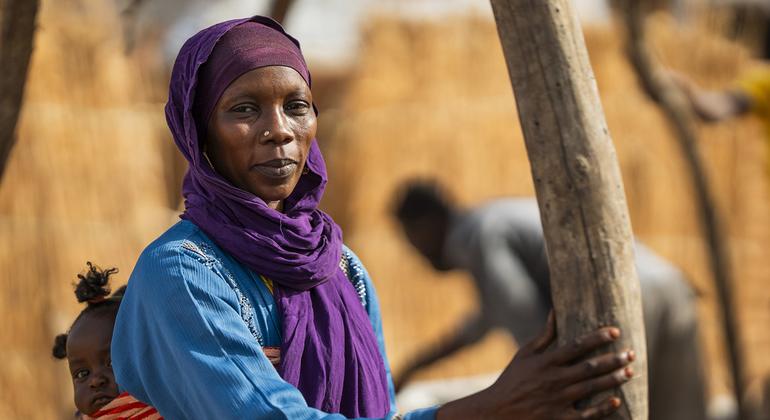
The report doesn’t just highlight the broad correlation between climate change and displacement; it provides concrete examples of the unfolding crisis. In Chad, refugees fleeing the brutal conflict in Sudan are receiving less than 10 liters of water per day – a figure drastically below internationally recognized emergency standards. This illustrates the immediate strain on resources in host countries already grappling with their own climate vulnerabilities.
Looking ahead, the projections are even more alarming. By 2050, the hottest refugee camps globally – located in countries like Gambia, Eritrea, Ethiopia, Senegal, and Mali – are predicted to experience nearly 200 days of hazardous heat stress annually. This level of extreme heat,coupled with high humidity,poses a severe threat to health and survival,potentially rendering these locations uninhabitable.
The situation in Africa is particularly concerning. A staggering 75% of the continent’s land is undergoing degradation, and over half of all refugee settlements are situated in “high-stress” areas. This land degradation directly impacts food security, water availability, and economic opportunities, creating a breeding ground for instability and, ultimately, further displacement. The report notes a worrying link between dwindling resources and increased recruitment into armed groups in the Sahel region, fueling ongoing conflict and a vicious cycle of displacement.
The Return Dilemma: Climate Vulnerability Upon Return
Even when refugees are able to return home,the climate crisis frequently enough awaits. In early 2025, 1.2 million refugees were projected to return to their countries of origin, but half of these returns were to areas deemed “climate-vulnerable.” This underscores the critical need to address climate risks before facilitating returns,ensuring that returning populations aren’t simply trading one form of displacement for another.
A System Under Strain: Funding Gaps and Inequitable Climate Finance
The UNHCR report doesn’t shy away from addressing the systemic failures exacerbating the crisis. Despite the escalating needs, funding shortfalls and a deeply inequitable climate finance system are leaving millions unprotected. Conflict-affected countries hosting refugees receive a mere 25% of the climate finance they require, while the vast majority of global climate funding fails to reach displaced communities or their host nations.
Mr. Grandi, speaking at the opening of the UN COP30 climate summit in Belem, Brazil, delivered a powerful message: “Funding cuts are severely limiting our ability to protect refugees and displaced families from the effects of extreme weather. If we want stability, we must invest where people are most at risk. To prevent further displacement, climate financing needs to reach the communities already living on the edge. They cannot be left alone.This COP must deliver real action, not empty promises.”
Key Findings from the UNHCR Report (December 2023):
* Prevalence: 75% of refugees and conflict-displaced individuals live in countries with high-to-extreme climate hazard exposure.
* Returns: Half of the 1.2 million refugees projected to return home in early
Related reading