Ukraine funding Faces Critical Roadblock: Belgium‘s Resistance to Utilizing Russian Assets
The future of substantial financial aid to Ukraine hangs in the balance, facing a significant hurdle stemming from internal disagreements within the European Union. While a plan to leverage the interest generated from immobilized Russian assets offers a perhaps swift solution, fierce opposition from Belgium is threatening to derail the initiative, leaving Ukraine facing a critical funding gap as the conflict with Russia continues. This article delves into the complexities of the situation, outlining the proposed solution, the reasons for Belgium’s resistance, and the potential consequences for Ukraine.
The Promise of Russian Asset Revenue
Currently, approximately €140 billion in Russian central bank assets are frozen within the EU, largely held at Euroclear, a central securities depository based in Brussels. A key proposal gaining traction is to utilize the profits – the interest earned – from these immobilized assets to provide Ukraine with a much-needed financial lifeline.
This approach presents a distinct advantage: it avoids the need for EU member states to issue new debt individually. the funds would come directly from existing cash balances, streamlining the process and potentially accelerating aid delivery. Though, this seemingly straightforward solution has encountered significant resistance.
Belgium’s concerns: A Host Nation’s Dilemma
Belgium, as the host nation for Euroclear, finds itself at the center of the controversy. The Belgian government fears that utilizing Russian assets could make it a prime target for Kremlin retaliation. This concern is rooted in a Soviet-era investment treaty that mandates arbitration, potentially exposing Belgium to lengthy and costly legal battles.
Prime Minister Bart De Wever has been a staunch opponent of the plan, repeatedly blocking endorsement from EU leaders. His demands are centered around:
* Legal Certainty: De Wever insists on “the maximum” legal guarantees to protect Belgium from potential repercussions.
* Risk Mutualization: He seeks airtight assurances that all member states will share the financial risks associated with the plan – a “full mutualisation” of risks.
* Openness: A clear accounting of all immobilized sovereign assets is required, not just the Russian funds.
De Wever has been blunt about the stakes,stating he is unwilling to be liable for the entire €140 billion shoudl the plan encounter legal challenges.
A Deadlock and Shifting Strategies
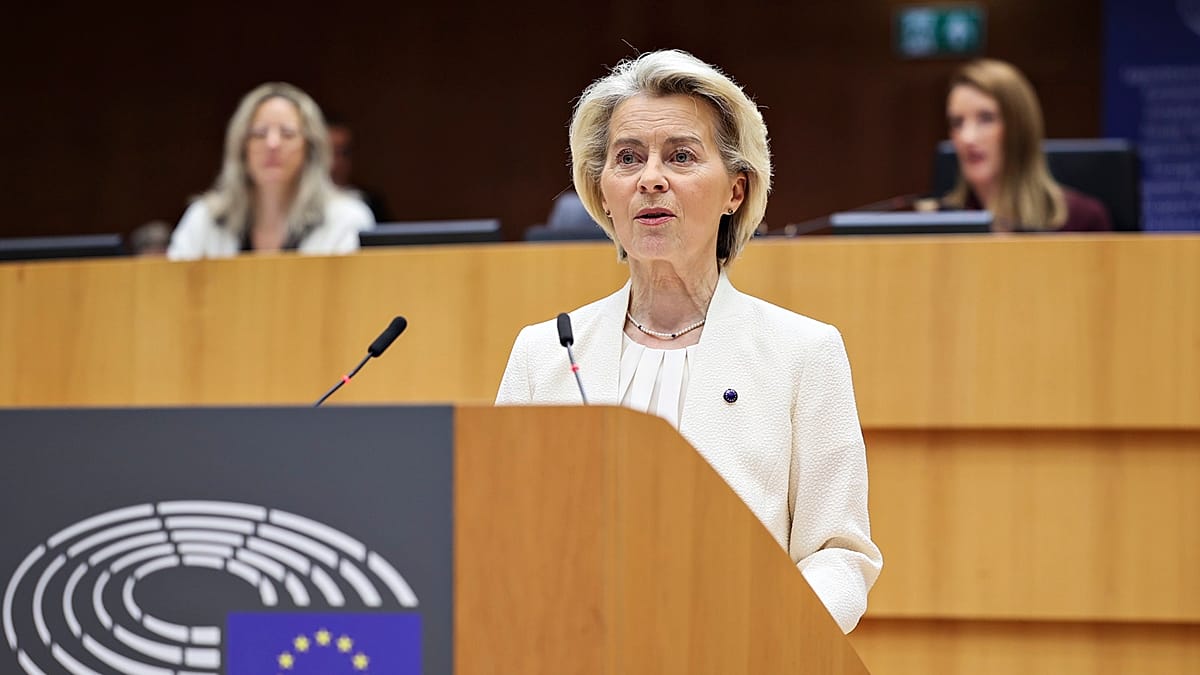
Despite efforts by the European Commission to address Belgium’s concerns, a breakthrough remains elusive. Commission president Ursula von der Leyen recently presented an “options paper” outlining choice avenues for supporting Ukraine, acknowledging the difficulties surrounding the reparations loan.
However, EU officials privately admit that the reparations loan remains the most politically viable option. Other nations, particularly Nordic leaders, have already ruled out the possibility of issuing joint debt to fund Ukraine, further emphasizing the importance of unlocking the Russian asset revenue.
Adding to the tension, Belgium has expressed frustration with the Commission’s continued focus on the reparations loan, a sentiment seemingly unaddressed by von der Leyen’s recent intervention. One EU official characterized Belgium’s demands as “maximalist,” acknowledging thier validity while pointing out that no financial operation can be entirely risk-free.
The Urgency for Ukraine: A Looming Funding Crisis
The situation is particularly critical given the evolving geopolitical landscape. With potential cuts to US aid under a new administration, the burden of financial support for Ukraine is increasingly falling on European shoulders.
Ukraine will require a substantial injection of foreign aid in the second quarter of 2026. Without a resolution, the country’s ability to defend itself and maintain economic stability will be severely compromised.
Von der Leyen underscored the urgency, stating that Putin believes he can outlast Western support and achieve his objectives on the battlefield. she emphasized the need to raise the cost of the war for Russia and bring Putin to the negotiating table.
What does This Mean for You?
As a concerned observer of international affairs, understanding this situation is crucial. The outcome will not only determine Ukraine’s fate but also shape the future of European security and the international order. The deadlock highlights the complexities of navigating geopolitical challenges and the importance of finding solutions that balance strategic objectives with legitimate national concerns.
The coming weeks, culminating in the EU leaders’ final meeting of the year in December, will be pivotal. Whether a compromise can be reached, or alternative funding mechanisms will be deployed, remains to be seen. but one thing is clear: the clock is ticking for Ukraine, and a swift
Keep reading